
Reviewed · ANGKOR WAT TOURS
Angkor Wat Cycling Tour
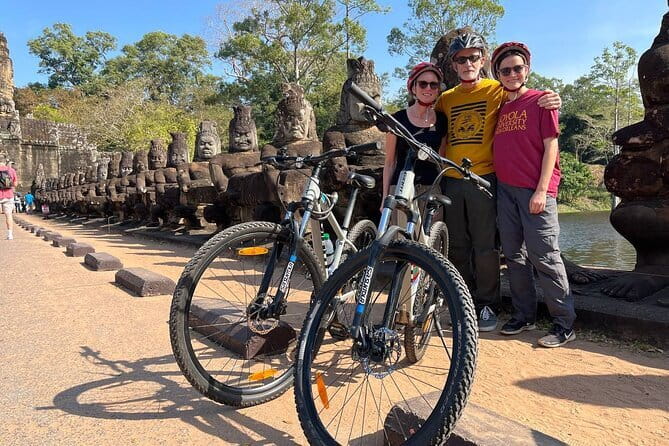
Angkor Wat is best known for its huge stone towers and packed courtyards, but this tour shows you the quieter side of the park. You pedal along forest roads and back routes, pass local rural life, and reach smaller temples that many people skip. The ride is private, leisurely, and led by an English-speaking guide.
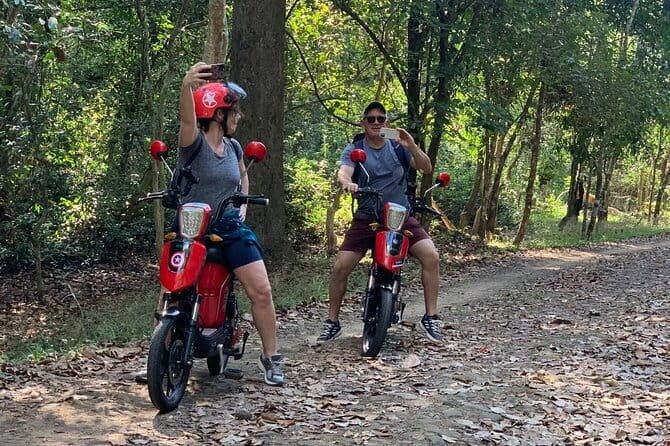
I like the high-quality mountain bikes and helmets, which matter when you are riding for much of the day. I also like the route’s balance: Angkor Wat, Bayon, and Ta Prohm provide the grand sights, while Ta Nei and the back roads give you more space and a closer look at the setting.
The main caution is time and heat. This is a 6-to-8-hour outing with several hours on a bike, and the $45 price does not include the required $37 Angkor temple pass. You should be comfortable cycling for a full morning and early afternoon.
Key points to know before booking
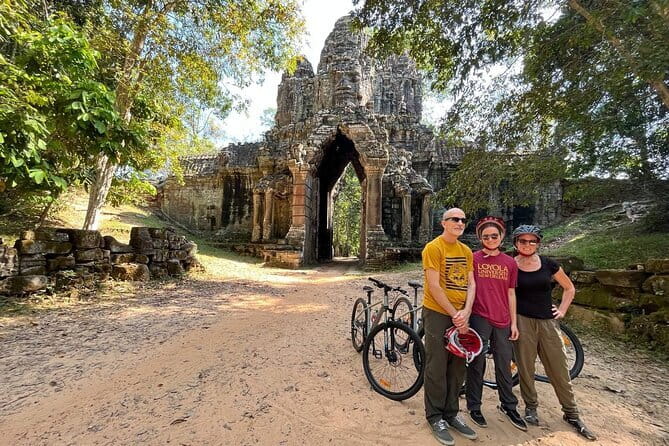
- The route mixes major temples with quiet back roads: You see Angkor Wat, Bayon, and Ta Prohm, then reach smaller sites and forest paths that large vehicles often miss.
- The tour begins with 7:30 am hotel pickup: Pickup and drop-off are included, so you do not need to arrange separate transport to the starting point.
- You ride a mountain bike with a helmet: Cold drinking water is also provided, a useful touch during a long ride in Cambodia’s heat.
- It is a private experience: Only your group takes part, and the guide can adjust the amount of cycling to suit your group.
- The temple pass costs extra: Add $37 per person to the $45 tour price, for a practical total of $82 per person before any other personal spending.
- Mr K is a useful guide request: He is repeatedly named in the tour’s feedback, with praise for his timing, care, route knowledge, and friendly manner.
Why cycling changes your day at Angkor
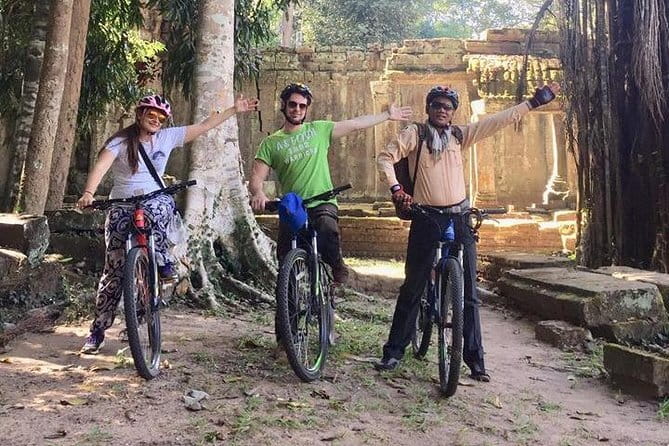
A vehicle gets you from temple to temple quickly, but a bicycle gives the park a slower rhythm. You can notice the trees, roadside paths, and daily life beyond the main monuments instead of seeing only a sequence of parking areas and stone entrances.
This route is designed for that contrast. You still visit the three temples most people want to see, but you also ride through less-used parts of the Angkor area. The route includes forest trails, paved paths, and rural roads, according to the experience details and past descriptions of the ride.
I especially like the way cycling breaks up the temple walking. Angkor’s courtyards and galleries demand plenty of time on foot. After a long stretch among stone carvings, riding gives your legs a different kind of work and lets you cover more ground without sitting in a vehicle.
This is not a race or a hard-core cycling challenge. The outing is described as leisurely, and the guide can accommodate the amount of cycling your group wants to do. Still, six to eight hours is a long day. You should choose it because you enjoy riding, not simply because you want the cheapest way to move between temples.
More bike tours in Siem Reap:
- Siem Reap Countryside Bike Tour / E-Bike or Tuk Tuk
★ 5.0 · 935 reviews - Angkor Sunrise Bike Tour / E-Bike or Tuk Tuk
★ 5.0 · 615 reviews - Siem Reap: Bike the Angkor Temples – Full-Day 30km Tour
★ 5.0 · 463 reviews
Leaving Siem Reap at 7:30 am
The day begins with pickup at your hotel at 7:30 am. Starting early gives you a useful head start on the heat and puts the biggest temple visits near the beginning of the route.
Your guide supplies the mountain bike, helmet, and cold drinking water. The tour is private, so you are not tied to the pace of an unrelated group. That matters on a bike. One person may want to stop for photos, while another may prefer to keep moving through the forest.
The guide is also part of the value here. Mr K is the name most often associated with this ride, and the feedback highlights his punctuality, kindness, care, and ability to adapt the route. One family also identified the guide as K, while a provider response used the name Kosorl. If you have a preferred guide, ask for Mr K when booking, but availability is not guaranteed by the supplied information.
The route includes a look at rural life around Angkor. That is one of the more useful parts of starting by bicycle. You are not sealed inside a vehicle, and the pace gives you time to see the ordinary surroundings between the famous temples.
Angkor Wat, the grand opening stop
Angkor Wat is the first major temple and receives about two hours. Built between 1113 and 1150 during the reign of Suryavarman II, it is the largest and most famous Khmer temple.
You will have time to see its broad layout, towers, galleries, and surrounding moat area. The scale is the point. Angkor Wat is not a quick photo stop, and two hours gives your guide room to explain the monument while you explore on foot.
The bicycle is left aside while you walk through the temple. That pattern repeats throughout the day: ride between sites, then walk through the stone complex. You should expect uneven ground and plenty of standing, though the supplied information does not give specific details about every path.
Admission is not included here or at the other principal temples. The required Angkor temple pass costs $37 per person. Add that to the $45 tour fee when comparing this experience with other ways to visit Angkor.
Bayon and the faces of Angkor Thom
The next major stop is Bayon, with about two hours. Bayon was built in the late 12th or early 13th century by Jayavarman VII and is known for its tower faces.
The temple once had 54 towers representing the 54 provinces of the Khmer Empire, according to the tour description. Some details in the complex are easy to miss when you are moving with a large crowd, so a private guide can help you slow down at the points that interest you most.
Bayon is one of the day’s busiest and most visually powerful stops. The contrast with the forest roads is part of the appeal. You get the famous monument, but the overall day does not consist only of the busiest central sites.
The itinerary lists admission here as free, but the separate Angkor temple pass is still required for entry to the complex. Think of the pass as a park-wide ticket rather than a separate charge at each temple.
More Angkor Wat tours in Siem Reap:
- Angkor Wat Sunrise or Sunset Tour with Guide from Siem Reap
★ 5.0 · 12,109 reviews - Siem Reap: Angkor Wat: Small-Group Sunrise or Sunset Tour
★ 5.0 · 9,444 reviews - Siem Reap: Angkor Wat 2-Day Tour with Sunrise and Sunset
★ 4.9 · 4,429 reviews - Siem Reap: Full-Day Angkor Wat Guided Tour with Sunset
★ 4.9 · 3,803 reviews
Chau Say Tevoda, a smaller pause in the route
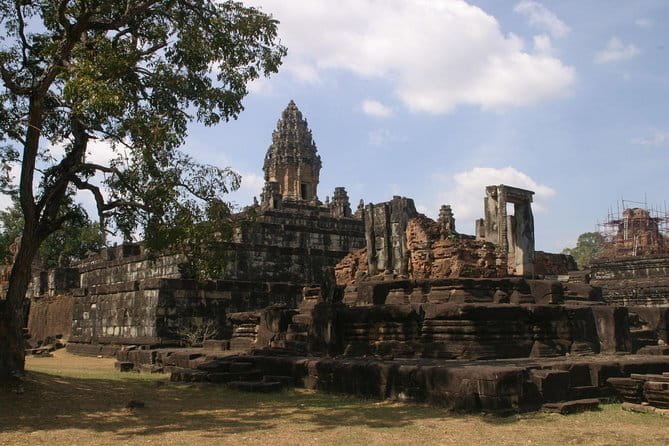
Chau Say Tevoda receives about 30 minutes. It sits east of Angkor Thom, south of Thommanon across Victory Way, and dates from the mid-12th-century Angkor Wat period.
This is a Hindu temple, and its smaller scale provides a welcome change after Angkor Wat and Bayon. You will not spend as long here, but the stop helps show how varied the Angkor area is. Not every worthwhile monument needs two hours.
The half-hour visit also keeps the route moving. A cycling day can lose its relaxed feel if every stop becomes lengthy. Here, you get a short look, some explanation, and time to continue through the park.
Ta Prohm and the famous jungle setting
Ta Prohm receives about two hours and is one of the day’s essential stops. Jayavarman VII built it in the late 12th century and dedicated it in 1186 to his mother. It began with a Buddhist background and was later converted to Hindu use.
Ta Prohm is valued for its relationship with the forest. Stone galleries, trees, and weathered surfaces create a very different mood from the open scale of Angkor Wat. The trees are not a side detail here; they shape the entire visit.
This is another place where a bicycle helps the wider experience. You arrive after moving through the park rather than simply being delivered from one gate to the next. Afterward, you return to the bike and continue toward a quieter temple.
Ta Prohm can be crowded, and the tour cannot promise an empty visit. The private format does give your guide more freedom to manage your pace, but it does not remove other people from the most famous sites.
Ta Nei, a quieter temple in the forest
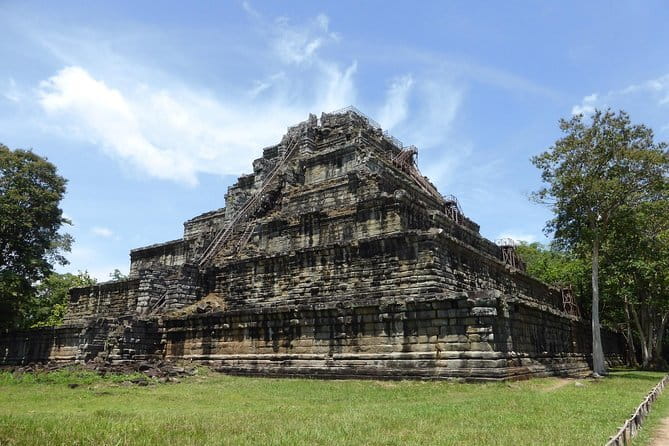
Ta Nei is scheduled for about an hour. It is a late 12th-century stone temple built during the reign of Jayavarman VII and dedicated to the Buddha.
This is the kind of stop that makes the cycling option different from a standard highlights circuit. The experience description places emphasis on temples that are less visited and on jungle routes that are not normally part of a vehicle-based day. Ta Nei fits that purpose.
The site may appeal most to you if you prefer atmosphere and setting over a long list of famous names. It is not presented as a grand replacement for Angkor Wat. Instead, it gives you a quieter hour and a sense of how many remains are spread through the Angkor area.
The route through the forest is also one of the parts praised most strongly in the tour feedback. The ride offers access to unusual sites and stretches of jungle that many people do not see. That is the main reason to book this tour instead of simply hiring transport between the headline temples.
The East Gate and the final ride
The last listed stop is the East, or Death, Gate of Angkor Thom, scheduled for about 30 minutes. The gate is one of five entrances guarding the ancient city and was built by Jayavarman VII in the late 12th century during the city’s reconstruction.
The itinerary labels this stop Bayon Temple, but the description is clearly about the East Gate, not a second full visit to Bayon. You should expect a short architectural and historical stop, followed by the final portion of the ride and return to your hotel.
This gate is a fitting end because it brings the route back to the wider Angkor Thom complex. You see another part of the old city’s defensive and ceremonial plan without spending another long block of time inside a major temple.
What the $45 price really covers
The listed price is $45 per person. It includes:
- English-speaking guide
- Hotel pickup and drop-off
- Mountain bike
- Helmet
- Cold drinking water
The Angkor temple pass costs an additional $37 per person. Your basic combined cost is therefore $82 per person. That is the figure I would use when comparing this tour with a car, tuk-tuk, or other guided option.
The value depends on how you use the day. You are paying for a private guide, equipment, transport at the beginning and end, water, and a route that includes both the major temples and quieter areas. If you only want to see Angkor Wat and Bayon quickly, a full cycling day may be more than you need.
If you enjoy riding, the cost makes more sense. The bike is not just transport. It is the feature that takes you onto back roads, connects the temples at a human pace, and gives the day a stronger sense of place.
Group discounts are available, although the supplied information does not state the discount amount. The tour also uses a mobile ticket, and confirmation is received at booking.
Who should book this cycling tour
I would recommend it most strongly to people who enjoy cycling and want to see more than the standard temple loop. Couples, families who already ride together, and small private groups should appreciate the adjustable pace and the ability to stop without waiting for a larger party.
It is also a good choice if you want a more sustainable way to move around Angkor. The ride reduces reliance on a vehicle for the temple-to-temple portions and lets you notice the trees, paths, and rural surroundings.
You should think twice if you dislike heat, do not normally cycle for several hours, or want a short and highly efficient temple visit. The tour is described as leisurely, but leisurely does not mean brief. The duration is about six to eight hours, and several stops involve long walks through temple grounds.
Most people can participate according to the supplied activity information, but no detailed fitness or accessibility guidance is provided. If your group has a specific mobility or cycling concern, ask the provider before booking.
Booking, cancellation, and timing tips
This experience is booked an average of 42 days ahead, so I would not leave it until the last moment if you want a particular date or guide. Confirmation is provided at the time of booking.
Free cancellation is available if you cancel at least 24 hours before the start time. Cancel within 24 hours, or request a change during that period, and the payment is not refunded. The cut-off follows local time in Siem Reap.
Bring only what you need for a long day outdoors. The tour provides water, but the supplied details do not say that meals, snacks, or extra drinks are included. The itinerary also does not include a restaurant stop, though one past account refers to a private restaurant and a massage as part of that day. I would not count on those extras unless the provider confirms them directly.
Should you book the Angkor Wat Cycling Tour?
Book it if you want Angkor to feel like a place you are moving through, not simply a set of monuments reached by vehicle. The best parts are the back roads, the forest routes, Ta Nei, and the private pace with a guide such as Mr K.
The main trade-off is effort. You pay $45 for the tour, then add the $37 temple pass, and spend most of a day riding and walking. For an active visitor who wants the famous temples plus a quieter view of the park, that is a strong use of time and money. For anyone seeking a short, air-conditioned highlights tour, choose another format.
FAQ
How much does the Angkor Wat Cycling Tour cost?
The tour costs $45 per person. The Angkor temple pass costs an additional $37 per person.
What is the total basic cost including the temple pass?
The tour and temple pass together cost $82 per person.
How long does the cycling tour last?
The experience lasts approximately 6 to 8 hours.
What time does hotel pickup begin?
Pickup begins at 7:30 am.
Is hotel pickup included?
Yes. Pickup and drop-off at your hotel are included.
Is this a private tour?
Yes. Only your group participates in the activity.
What equipment is provided?
A mountain bike and helmet are provided. Cold drinking water is also included.
Is an English-speaking guide included?
Yes. The tour includes an English-speaking guide.
Which temples and sites are visited?
The route includes Angkor Wat, Bayon, Chau Say Tevoda, Ta Prohm, Ta Nei, and the East, or Death, Gate of Angkor Thom.
Can I cancel for a full refund?
Yes, if you cancel at least 24 hours before the experience starts. Cancellations within 24 hours are not refunded.
Just added around Siem Reap
- Ultimate Sunrise to Angkor Wat, Angkor Thom and Bayon Temple★ 5.0 · 3 reviews
- Full-Day Private Tour of Angkor Wat with Pick Up★ 5.0 · 12 reviews
- Trekking Tour at Phnom Kulen National Park from Siem Reap★ 5.0 · 3 reviews
- Twilight Tastes of Siem Reap Include Dinner★ 5.0 · 13 reviews
- Siem Reap City Tour with War Museum and Killing Field★ 5.0 · 27 reviews
- Private Day Trip to Angkor Temples with Expert Guide★ 5.0 · 4 reviews
- Waterfall & River of 1000 Siva Linga- Kulen Mountain Private Tour★ 5.0 · 3 reviews
- Private Two Days Siem Reap Temples Discovery Guided Tour★ 5.0 · 7 reviews
Angkor Wat Tours, compared.
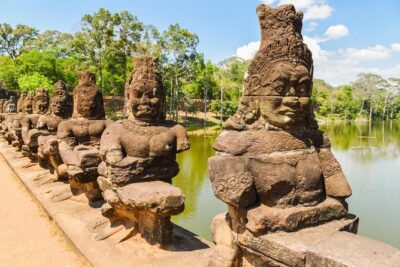
Angkor Wat Sunrise or Sunset Tour with Guide from Siem Reap
Read our review →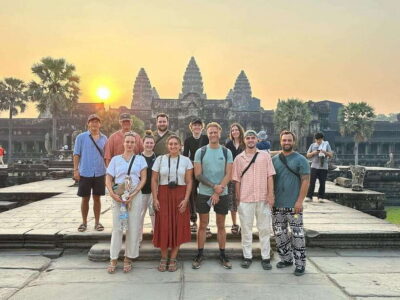
Angkor Wat: Small-Group Sunrise or Sunset Tour
Read our review →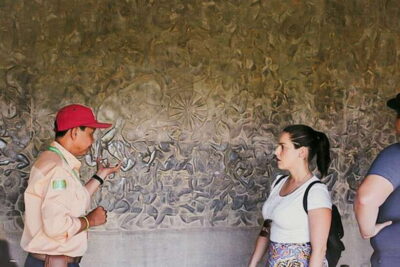
Angkor Wat 2-Day Tour with Sunrise and Sunset
Read our review →
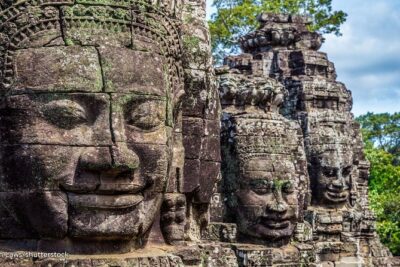
Angkor Wat Sunrise tour with Small – Group and Guide tours
Read our review →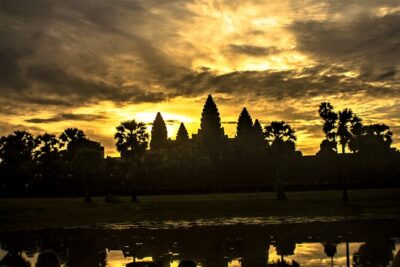
Angkor Wat Highlights and Sunrise Guided Tour from Siem Reap
Read our review →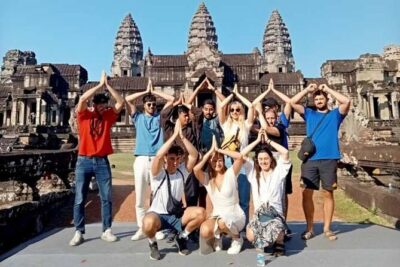
Angkor Wat Sunset Small Group Tour with Lunch Included
Read our review →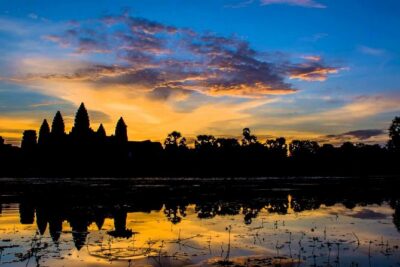
Full-Day Angkor Wat Sunrise Private Tour with Guide from Siem Reap
Read our review →Browse the lists this tour appears in