
Reviewed · SIEM REAP COUNTRYSIDE AND VILLAGE TOURS
Angkor Silk Farm & Lotus Silk Farm: Siem Reap Discovery Tour
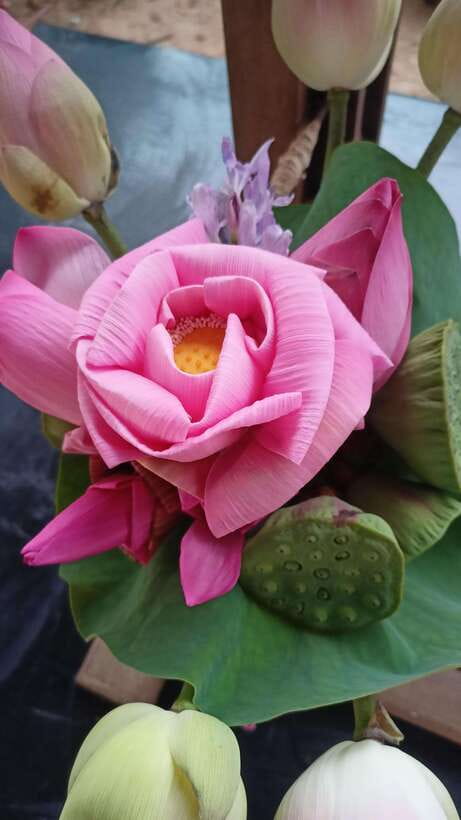
The clever idea here is to place old and new Cambodian textile craft side by side. At Angkor Silk Farm, you follow mulberry leaves, silkworms, cocoons, thread, and woven cloth. At Lotus Silk Farm, you see artisans pull fine fibers from lotus stems, a slower and more unusual process.
I like the clear contrast between the two farms, and I like that your money supports social enterprises employing local women. The lotus tea and biscuits are a pleasant touch, too. The main drawback is the road between the farms. It can feel long and hot, especially in a shared tuk-tuk, though the standard description for this tour promises a private car.
Key points to know
- Two very different textile farms: Angkor Silk Farm explains traditional silk production, while Lotus Silk Farm focuses on lotus fiber.
- Hands-on demonstrations, not just displays: You watch cocoon processing, weaving, and lotus stem fiber extraction.
- A useful half-day from Siem Reap: The four-hour schedule leaves room for temples or other afternoon plans.
- The road is part of the trade-off: Countryside views are pleasant, but the transfer between farms may feel lengthy.
- Bring cash for the boutiques: Purchases are separate, and the handmade goods cost more than factory-made souvenirs for good reason.
- Meet at Biolab Café: Hotel pickup is not included, so plan your way to downtown Siem Reap.
Why two farms make this tour worth your morning
At $25 per person, this is a good-value half-day if you want more than temple sightseeing. You get transport between two working farms, guided visits, live demonstrations, and a short refreshment stop. The price does not include shopping or extra craft activities, but the core tour gives you a useful look at how raw plant and animal materials become cloth.
I especially like the way the experience shows Cambodian craft as a living practice. Angkor Silk Farm connects you with techniques passed down through generations. Lotus Silk Farm shows how local makers are adapting that tradition with a newer, highly labor-intensive material.
This is not a full workshop in the advertised price. You watch the process and receive explanations, but hands-on silk weaving, private demonstrations, costume photos, and other personal activities are not included. Some experiences have offered optional craft activities at additional cost, such as making lotus thread, paper, or bracelets, but you should confirm availability and price on the day.
More countryside and village tours in Siem Reap:
- From Siem Reap: Kampong Phluk Floating Village Tour by Boat
★ 4.9 · 6,979 reviews - Kampong Phluk Floating Village Tour by Boat
★ 5.0 · 1,020 reviews - Siem Reap Countryside Bike Tour / E-Bike or Tuk Tuk
★ 5.0 · 935 reviews
Starting at Biolab Café in downtown Siem Reap
The meeting point is Biolab Café, a garden café in central Siem Reap. You can arrive early, use the restrooms, connect to free WiFi, and wait in an air-conditioned area with seating and drinks available for purchase.
Look for the lotus-colored flag marked pickup, Lotus Silk Farm. The vehicle is described as grey, with the driver waiting outside. Morning departures are listed at 8:30 and 10:00, and you should arrive ten minutes early.
This arrangement works well if you are staying in central Siem Reap, but it adds one task to your morning. Hotel pickup is not included, so allow time to reach the café. Ask your hotel or tuk-tuk driver to take you to Biolab Café rather than assuming the farm vehicle will collect you at your door.
The tour may be shared with other people. Guides speak English or French. Drivers have received strong praise for being punctual, patient, and careful, including a driver named Vanny. The exact guide varies, so you should not book expecting a particular person.
Angkor Silk Farm: following silk from leaf to loom
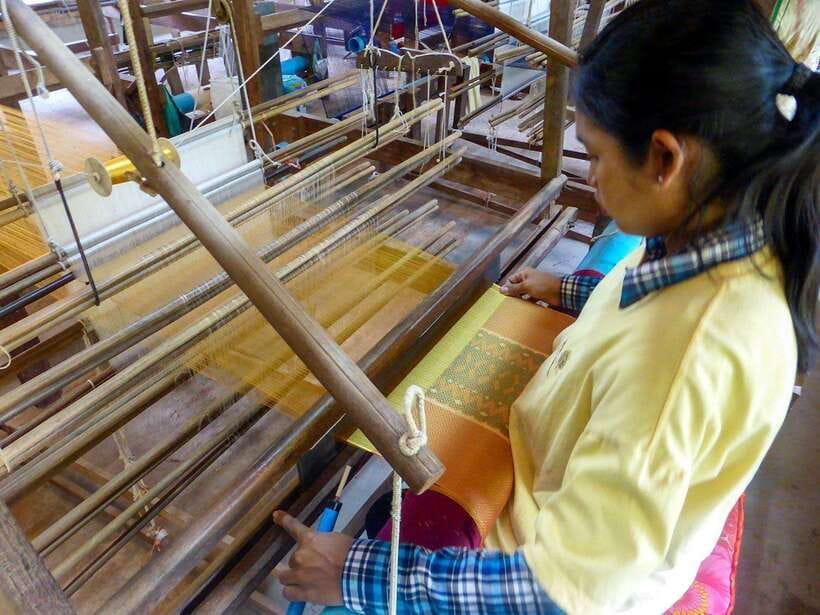
The first farm visit lasts about 45 minutes, followed by 15 minutes in the shop. The tour explains the complete silk process, beginning with mulberry cultivation and continuing through the silkworm life cycle.
You will see how the worms develop, how cocoons are handled, and how delicate threads are extracted. The point is not simply to look at finished scarves. You learn how many careful steps come before a piece of cloth reaches a boutique shelf.
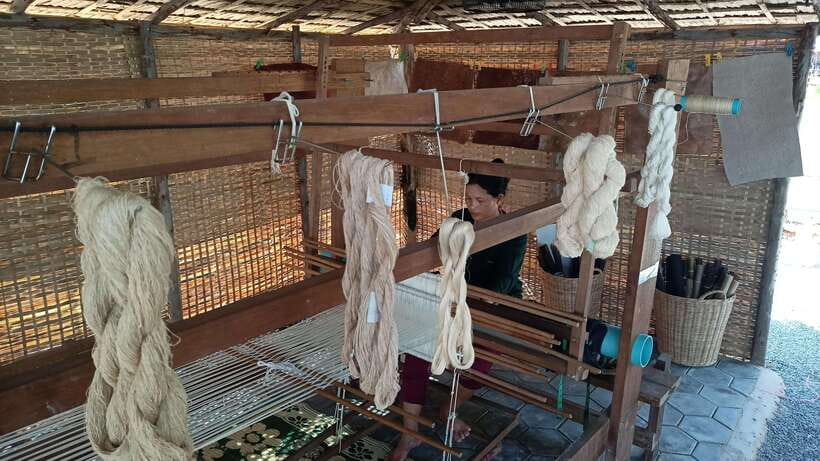
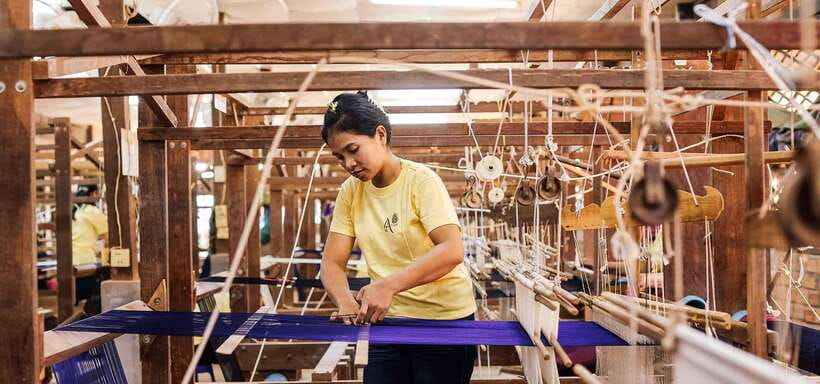
The farm also demonstrates weaving on traditional wooden looms. Watch the weavers build patterns by hand and see how much concentration goes into work that can look effortless from a distance. The designs connect present-day production with older Khmer textile methods.
This stop is likely to appeal most to anyone who enjoys seeing how things are made. It also helps explain the price of handmade silk. A machine-produced scarf and a handwoven textile may look similar at first glance, but the time, skill, and human labor behind them are very different.
Photography is allowed. You should still follow the guide’s instructions around working areas and ask before photographing people at close range.
The silk boutique and the real cost of handmade work
After the guided section, you have about 15 minutes to browse the Angkor Silk Farm boutique. This is a short stop, not an open-ended shopping session, so decide in advance if you are looking for a scarf, textile, or gift.
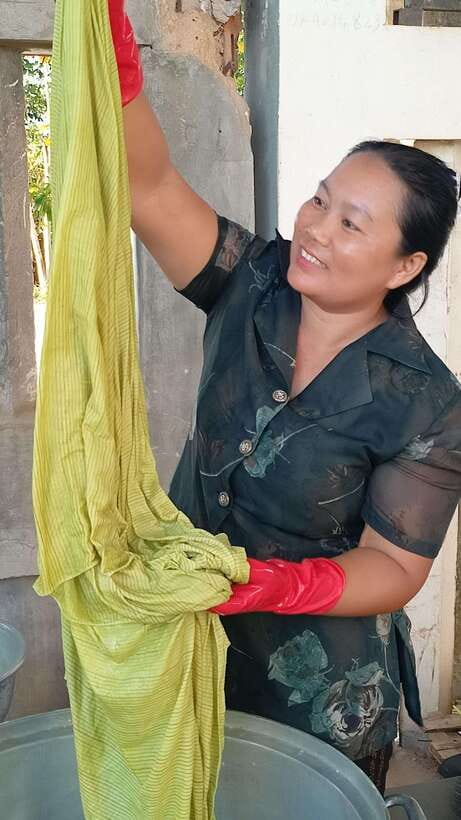
The products are made by local artisans, and your purchase supports continued textile work. Prices can be higher than ordinary souvenir-shop goods. That is not a flaw, but you should understand the difference before arriving. You are paying for handmade production, skilled labor, and support for local communities rather than simply buying a decorative object.
If you want to purchase something, carry cash. US dollars are accepted according to the tour information. Purchases are not included in the $25 price.
A different sort of day out around Siem Reap:
- Angkor Wat Sunrise or Sunset Tour with Guide from Siem Reap
★ 5.0 · 12,109 reviews - Siem Reap: Angkor Wat: Small-Group Sunrise or Sunset Tour
★ 5.0 · 9,444 reviews - Sunset tour of Kampong Phluk stilts home village on the Tonle Sap
★ 5.0 · 4,865 reviews - Siem Reap: Angkor Wat 2-Day Tour with Sunrise and Sunset
★ 4.9 · 4,429 reviews
The countryside transfer between the farms
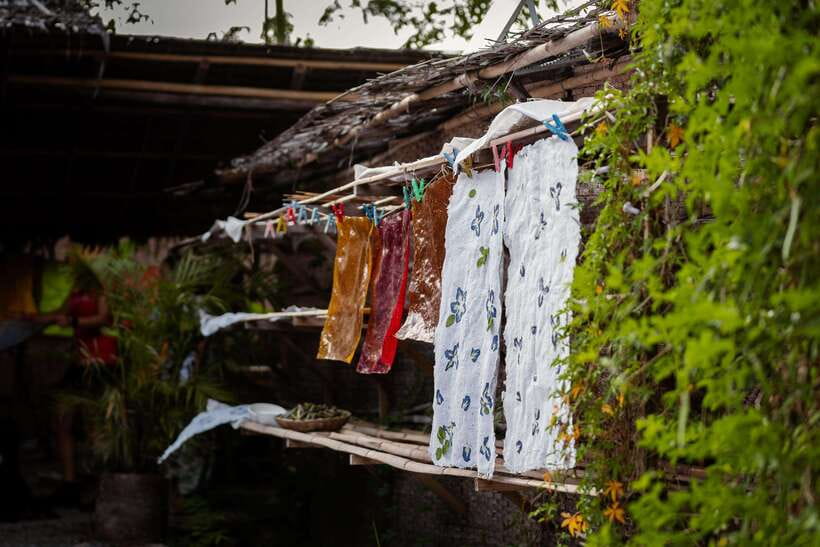
The vehicle takes you through rural areas between the two stops. This is a useful change of pace after the close focus of the loom room and silk displays. You may see ordinary Cambodian countryside and get a sense of life beyond Siem Reap’s central tourist streets.
The transfer is also the tour’s weak point. One reported experience found the ride too long and uncomfortable in the heat, with little to hold the attention after the first ten minutes. Another person described the trip by tuk-tuk as lengthy but said the driver took good care of the passengers.
The transport details deserve attention. The package information specifies a private car, while some experiences have involved a tuk-tuk or shared vehicle. If air conditioning matters to you, confirm the vehicle arrangement when booking. Bring water, sun protection, and light clothing, even though the lotus farm includes a complimentary drink.
The order of the farms may sometimes change to suit the day’s schedule. That flexibility can help, but it also means the published sequence should be treated as a general plan rather than a guarantee.
Lotus Silk Farm: a surprising use for lotus stems
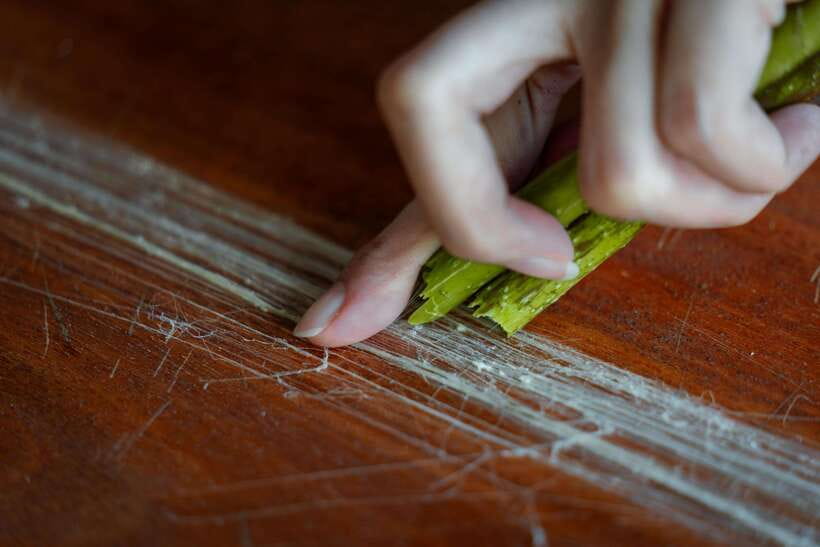
The Lotus Silk Farm visit lasts about 30 minutes, followed by 15 minutes for tea and 15 minutes in the shop. Here the material is not produced by silkworms. Artisans draw fine fibers from lotus stems, join the strands by hand, and prepare them for textile production.
This is the most unusual part of the experience for many people. You may already know the basic idea of silk worms, but lotus fiber is less familiar. The demonstration makes the process easy to understand because you can watch the extraction and see the fragile strands being handled.
The work is slow and careful. That matters when you are looking at the price of lotus textiles in the boutique. The finished material is not an inexpensive mass-market fabric. It represents a great deal of hand labor and a small-scale production method.
The farm also presents its role as a social enterprise supporting local women. That gives the visit a practical purpose beyond sightseeing. You see a traditional Cambodian setting paired with a newer form of employment and sustainable production.
Some experiences have included short craft activities for an extra charge. These have included trying to make lotus thread, paper, or a bracelet. The basic tour price does not include hands-on workshops, so treat these as optional extras rather than part of the guaranteed program.
Lotus tea, biscuits, and time to look around
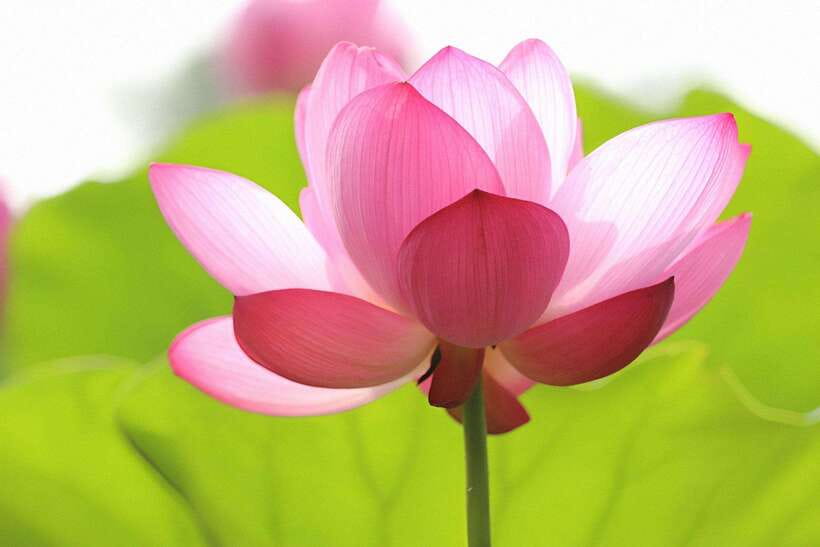
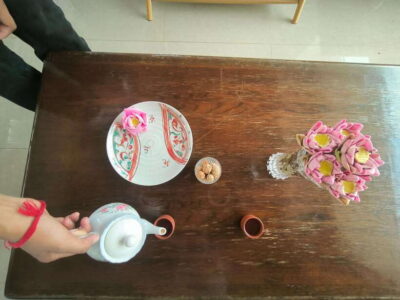
The refreshment stop includes lotus tea and biscuits. It is a simple break, but it gives you time to sit in the garden and absorb what you have seen. The setting offers a welcome pause before browsing the shop.
Do not confuse this with a full meal. Food, lunch, and additional drinks are not included in the standard package. Some people have arranged lunch separately, but you should not count on a meal unless it is confirmed in advance.
The Lotus Silk Farm boutique gives you another chance to buy locally made goods. The selection may include lotus-based textiles and other handmade products. Keep enough cash for purchases, but do not feel pressured to buy. The tours are useful even if you leave with only photographs and a better understanding of the process.
How the two farms complement each other
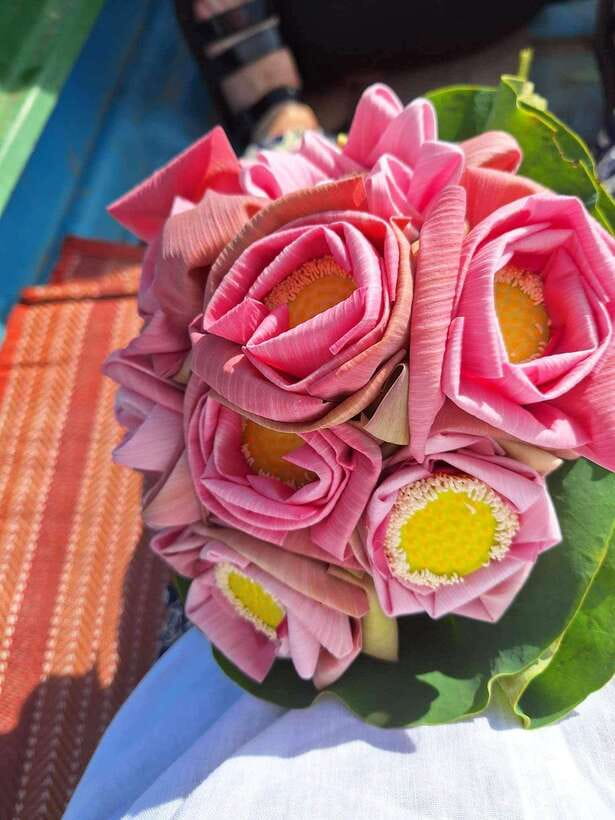
The strongest feature of the tour is the comparison. Angkor Silk Farm shows an established silk chain based on mulberry plants, silkworms, cocoons, thread, and looms. Lotus Silk Farm shows a newer approach based on lotus stems and patient handwork.
That contrast makes the four hours feel more worthwhile than visiting only one textile site. You can ask better questions because the two processes sit next to each other in your mind. What is familiar at the first farm becomes a useful reference point at the second.
I also appreciate that the tour does not present Cambodian craft as frozen in the past. The silk farm protects older methods, while the lotus farm shows experimentation and new work opportunities. For you, that makes the visit more meaningful than a simple factory stop.
The farms also serve different interests. If you like machinery, natural materials, and step-by-step production, both visits should hold your attention. If your main interest is clothing design or shopping, the looms and boutiques may be the highlights. If you want a fully hands-on class, this is not the right product unless optional activities are available and you pay extra.
Is $25 a fair price?
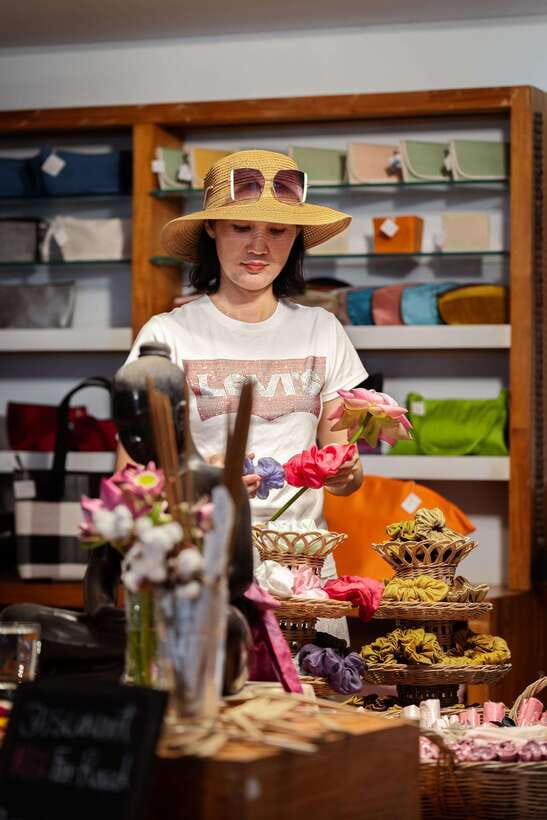
For $25, you receive a four-hour experience with transportation, a bilingual guide, two guided farm visits, demonstrations, and lotus tea with biscuits. That is solid value, especially if you would otherwise need to arrange separate transport to both locations.
The price is less attractive if you expect a meal, hotel pickup, or a complete craft workshop. None of those is included. You will also want a separate budget for souvenirs, since the handmade products are a major part of the experience but not part of the ticket.
The social value strengthens the case. Your admission helps support two ethical enterprises connected with local artisan work and employment for women. I would still judge each purchase on its quality and price, but the tour gives you a clear reason to buy directly rather than from a generic souvenir stall.
Practical advice for a smooth visit
Wear comfortable walking shoes. The tour is suitable for all ages and fitness levels, but you will spend time walking around working areas and standing for demonstrations.
Bring a hat, sunscreen, a camera, and light clothing. The tour runs in all weather, so a wet-weather plan is sensible during rainy periods. Both farms have restrooms, and Lotus Silk Farm has free WiFi.
Arrive ten minutes before departure. Since the tour leaves from a meeting point rather than your hotel, late arrival could be inconvenient. Children must be accompanied by an adult.
The tour takes four hours including transport. An 8:30 departure gives you a larger part of the day afterward. The 10:00 departure may suit a slower morning, but it will place you closer to lunchtime when you return.
Cancellation is free up to 24 hours before departure, and you can reserve now and pay later. Last-minute bookings may be accepted if space remains.
Who should book this Siem Reap textile tour?
I would recommend it to culture lovers, textile fans, families with older children, and anyone who wants a break from temple ruins. It is also a strong choice for conscious shoppers who want to understand how a product is made before buying it.
The tour suits you especially well if you enjoy patient demonstrations rather than fast entertainment. The work is detailed, repetitive, and human. That is exactly why it is interesting.
I would be more cautious if you dislike vehicle transfers, heat, or shopping stops. The road between farms can drag, and the boutiques are part of the structure. You should also look elsewhere if your priority is a full cooking or craft class.
Should you book it?
Book this tour if you want a clear, well-organized look at Cambodian textile production in one morning. The silk farm offers the strongest traditional craft lesson, while the lotus farm provides the more unusual material and the better sense of innovation and social purpose.
Before paying, confirm the pickup arrangement, vehicle type, and availability of any optional craft activity. Bring cash, protect yourself from the sun, and leave room in your schedule for a potentially slow transfer.
For $25, the tour gives you far more than a quick photo stop. It connects the work of silkworm growers, spinners, weavers, and lotus artisans with the finished goods in the shop. If that kind of careful, practical cultural visit appeals to you, it is a smart addition to a Siem Reap itinerary.
FAQ
How long does the Angkor Silk Farm and Lotus Silk Farm tour last?
The tour lasts four hours in total, including transportation between the meeting point and both farms.
Where does the tour start?
It starts and ends at Biolab Café in downtown Siem Reap. Hotel pickup and drop-off are not included.
What departure times are available?
Morning departures are listed at 8:30 AM and 10:00 AM. You should arrive ten minutes before your scheduled departure.
What languages are available?
The tour is conducted in English or French.
Is transportation included?
Yes. Transportation between Biolab Café and the farms is included. The tour information describes a private car, though some experiences have used a tuk-tuk or shared vehicle.
Is lunch included?
No. The standard tour includes lotus tea and biscuits, but not lunch, meals, or additional beverages.
Are shopping purchases included in the ticket?
No. Purchases at both farm boutiques, including souvenirs and textiles, are paid for separately.
Are hands-on craft activities included?
No. Silk weaving workshops, private demonstrations, costume photography, and hands-on craft activities are not included in the standard price. Optional activities may sometimes be available at an additional cost.
Can I cancel the booking?
Yes. You can cancel up to 24 hours in advance for a full refund. Reserve now and pay later is also available.
Just added around Siem Reap
- Ultimate Sunrise to Angkor Wat, Angkor Thom and Bayon Temple★ 5.0 · 3 reviews
- Full-Day Private Tour of Angkor Wat with Pick Up★ 5.0 · 12 reviews
- Trekking Tour at Phnom Kulen National Park from Siem Reap★ 5.0 · 3 reviews
- Twilight Tastes of Siem Reap Include Dinner★ 5.0 · 13 reviews
- Siem Reap City Tour with War Museum and Killing Field★ 5.0 · 27 reviews
- Private Day Trip to Angkor Temples with Expert Guide★ 5.0 · 4 reviews
- Waterfall & River of 1000 Siva Linga- Kulen Mountain Private Tour★ 5.0 · 3 reviews
- Ultimate Siem Reap Food Tour by Tuk Tuk – 20 Tastings, 8 Stops★ 5.0 · 13 reviews
Siem Reap Countryside and Village Tours, compared.



Siem Reap Countryside Bike Tour / E-Bike or Tuk Tuk
Read our review →
Tonle Sap, Kampong Phluk & Floating Village Tour
Read our review →
Siem Reap Lotus Silk Farm Discovery tour & Lake experience
Read our review →Browse the lists this tour appears in