
Reviewed · TONLE SAP FLOATING VILLAGE TOURS
Siem Reap: Tonle Sap, Kampong Phluk & Floating Village Tour
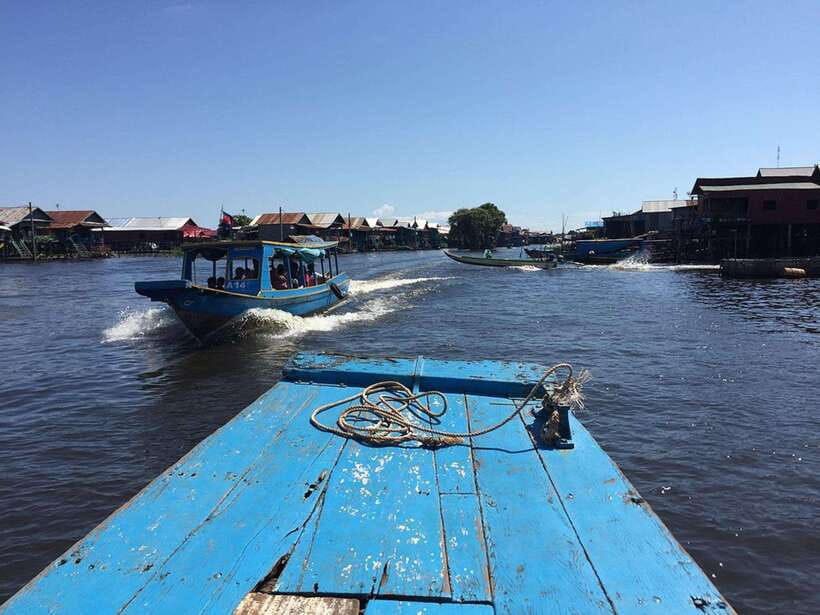
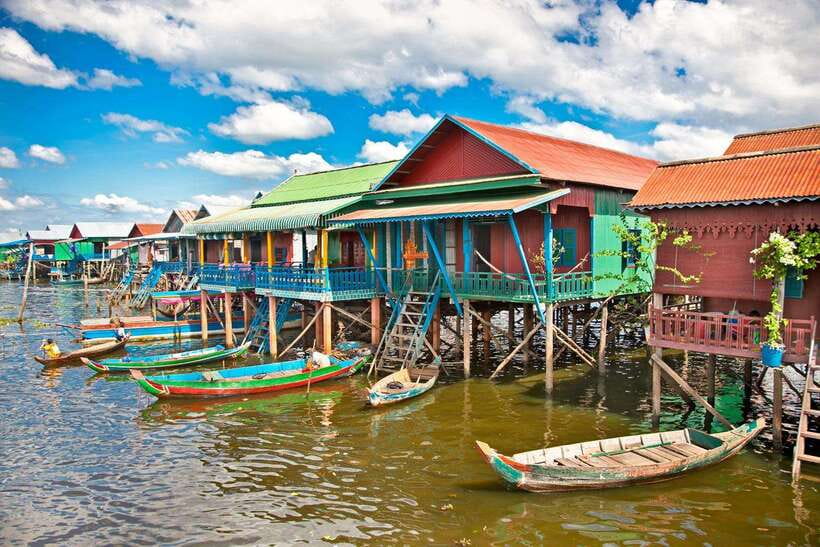
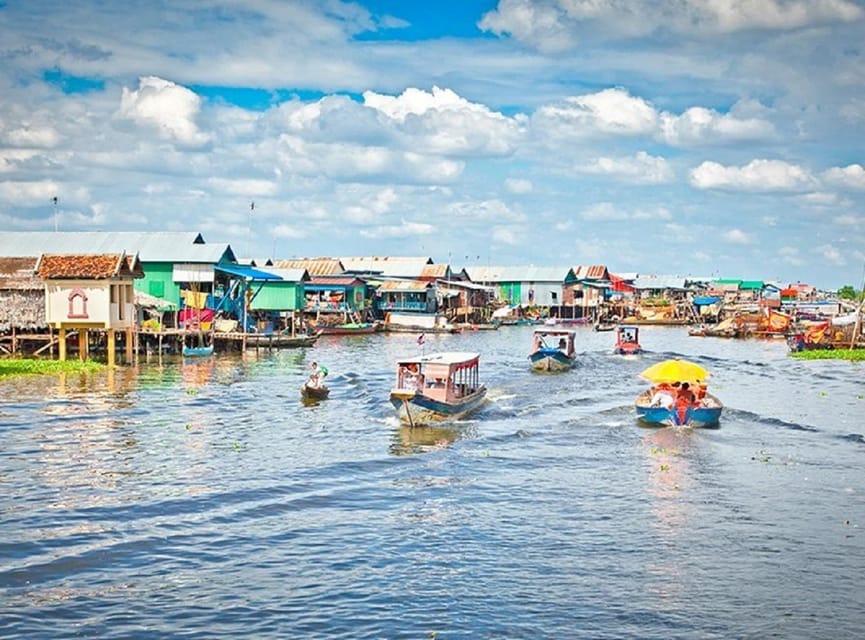
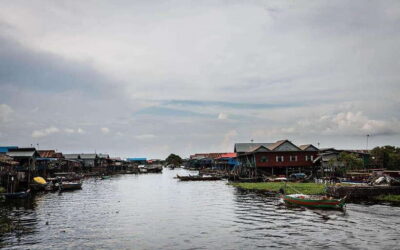
Kampong Phluk is a real village built around Tonlé Sap’s changing water levels, not a dressed-up photo stop. The most striking sight is the line of houses on tall poles, designed to cope with the lake’s rise during the rainy season. At sunset, your larger boat heads back across Tonlé Sap as the sky turns gold.
I like the way this trip combines local life and scenery: you see a school, pagoda, fish preparation, and village homes before drifting through the flooded forest. I also like the price. At $17, with transport, guide, entrance fee, drinking water, and the main boat included, it offers a lot for a half-day outing.
The main caution is the water level. In the dry season, parts of Kampong Phluk may be reached on foot rather than by boat, and some of the prettiest water scenes will not be available. The optional small canoe is worthwhile for many people, but it costs extra and the price should be confirmed before you board.
Key points to know before you go
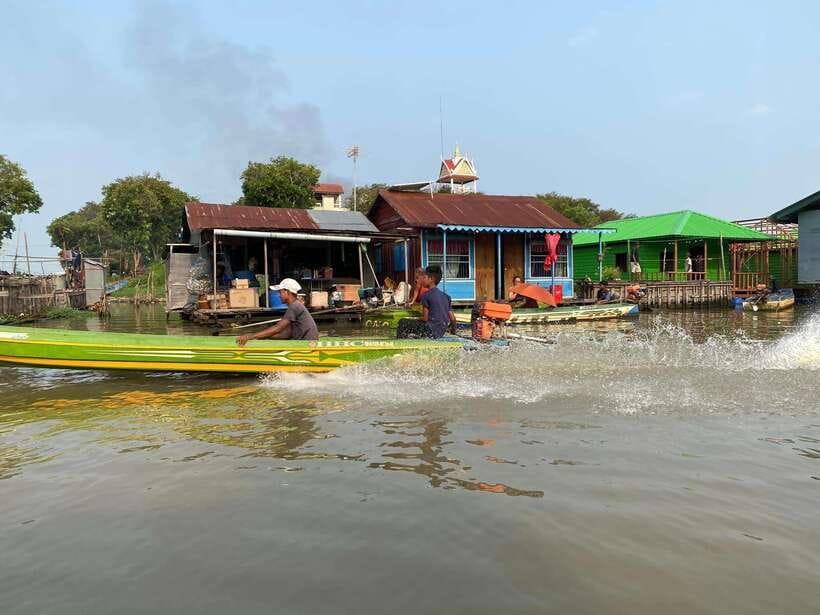
- Season changes the experience: High water brings boat access through the village and forest, while the dry season may mean walking beside the tall homes.
- The sunset is the grand finale: The return boat across Tonlé Sap gives you broad views and a calm end to the day.
- The small canoe costs extra: It takes you through the flooded forest and closer to the homes, but it is not part of the $17 base price.
- Guides make a real difference: Nan, Rith, Sen, Jack, and Phu have all been praised for clear explanations and friendly help.
- Transport is basic: The minibus gets you there, but some vehicles are old, hot, or rough over uneven roads.
- Dress for a working village: Wear modest clothing, bring sun protection, cash, and a raincoat in the wet season.
Why Tonlé Sap makes this trip different
Many Siem Reap excursions focus on temples. This one shows you how people live beside one of Southeast Asia’s major inland waterways. Kampong Phluk changes its character with the seasons, so the same route can feel like a village street in one month and a waterway in another.
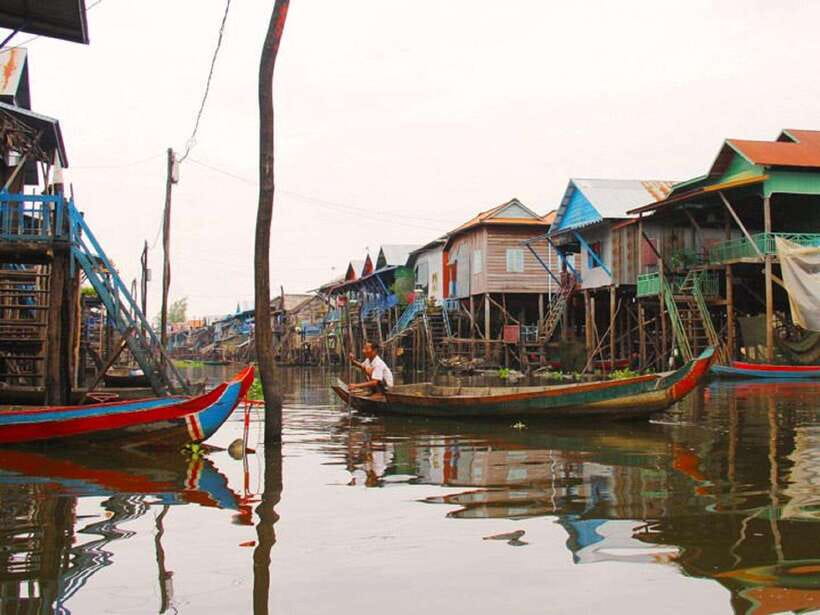
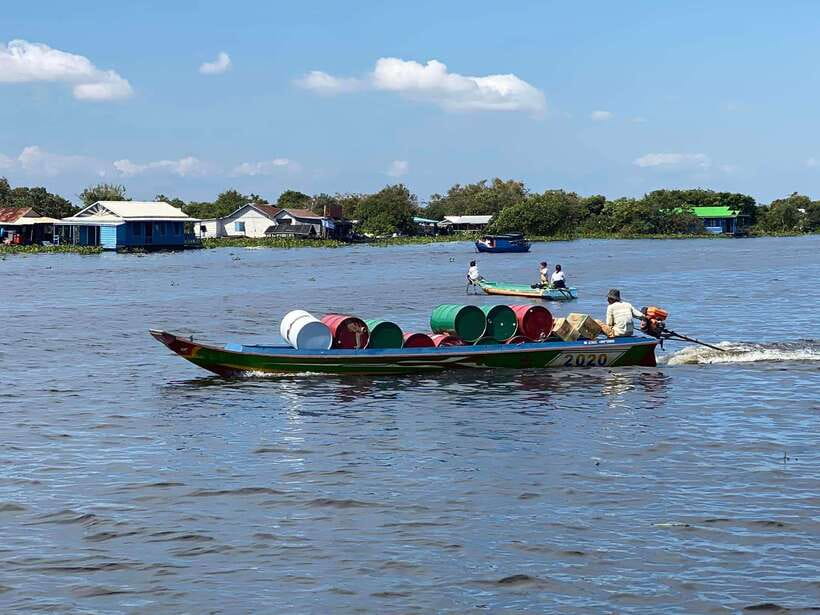
The tall wooden houses are the first clue. They are built high above the ground so families can remain in place as water levels rise. During the wet season, boats become part of daily life. People use them to reach work, school, and nearby communities. During lower water, you may walk along the village roads and see the structures from ground level.
I find that this seasonal contrast gives the visit more meaning than a simple floating-village photo stop. You are not just looking at houses on water. You are seeing a practical response to the lake’s annual rhythm.
The tour is also useful if you want to get away from the busiest temple routes. It is still a popular Siem Reap day trip, but Kampong Phluk offers a slower setting, with open water, wooden homes, village activity, and the flooded forest.
More Tonle Sap floating village trips in Siem Reap:
- From Siem Reap: Kampong Phluk Floating Village Tour by Boat
★ 4.9 · 6,979 reviews - Sunset tour of Kampong Phluk stilts home village on the Tonle Sap
★ 5.0 · 4,865 reviews - Kompong Phluk Floating Village Half-Day Tour ( Morning / Sunset )
★ 5.0 · 1,494 reviews
Pickup and the one-hour ride from Siem Reap
Hotel pickup is included within Siem Reap city. Pickup normally takes place between about 7:20 a.m. and 8:30 a.m., though your exact time is sent by message one day before departure. The pickup may be roughly 50 minutes before the main departure, so keep your morning flexible.
The drive to Kampong Phluk takes about an hour. The minibus is practical rather than luxurious. Some people have found the vehicle comfortable enough, while others have reported an old bus, weak air conditioning, or a soft rear suspension. I would not book this trip expecting polished transport at a premium-tour level.
That said, the $17 price explains much of the basic setup. The driver handles the road transfer, and bottled water is included. One driver was also praised for offering wet tissues and extra water, small touches that matter in Cambodia’s heat.
If you are sensitive to heat or motion, sit where you get the best airflow and bring your own water as a backup. Sunglasses and a hat are useful from the moment you leave the hotel.
Entering Kampong Phluk and seeing the tall homes
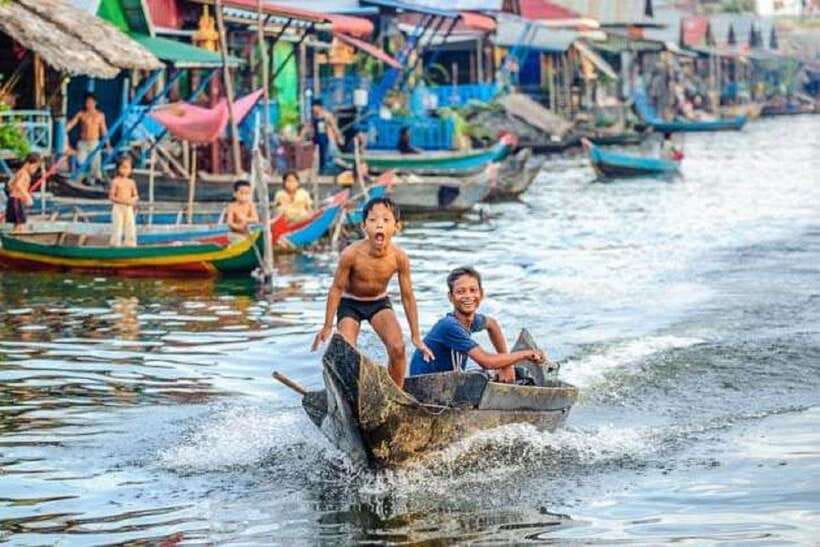
Once you reach the village, your guide leads you through Kampong Phluk and explains how the community works. Guides named Nan, Rith, Sen, Jack, and Phu have received especially warm praise for their patience, humor, and ability to answer questions.
The quality of the explanation matters here. Without context, a row of tall houses can look like an unusual construction style. With a guide, you understand how the homes respond to the annual flood cycle and why boat travel becomes so important when the water rises.
You may see food being preserved, fish being smoked, and brightly painted homes set along the village route. These details help you understand that this is a working community, not just a scenic attraction.
The dry-season version of the visit can surprise you. Parts of the village may be dusty or dry, with the boats resting on lower water or absent from sections of the route. Several departures in March and early summer found little water, yet the walking route still offered a close look at the houses and village routines.
If you specifically want the classic image of a boat moving between flooded homes, aim for a period of higher water. The exact conditions depend on rainfall, so no tour can guarantee the same view year-round.
Wat Kampong Phluk and the village school
The route includes Wat Kampong Phluk, the local pagoda. This is a short visit and photo stop, but it adds another piece to the village story. Your guide can explain the images and details around the site, as Rith did for one group, including the drawings on the walls.
You also visit Kampong Phluk Primary School when it is open. This is one of the more valuable parts of the route because it shows the role of education in a community shaped by water and distance. Children may travel by boat during the wet season, and the school gives you a clearer sense of how ordinary routines continue despite the changing conditions.
Please be careful with photography around children. Ask permission before taking pictures, and do not treat pupils as scenery. A respectful visit means observing quietly, listening to your guide, and remembering that this is a school serving local families.
The school stop may be brief, and access depends on whether it is open. Still, I would not dismiss it as a filler stop. It connects the village’s unusual setting to something familiar: children going to class, families planning around transport, and daily life carrying on through the seasons.
More countryside and village tours in Siem Reap:
- Kampong Phluk Floating Village Tour by Boat
★ 5.0 · 1,020 reviews - Siem Reap Countryside Bike Tour / E-Bike or Tuk Tuk
★ 5.0 · 935 reviews - Siem Reap: Cambodian Pottery Class
★ 4.9 · 339 reviews - Siem Reap Countryside Quad Biking Tour
★ 5.0 · 322 reviews
The optional canoe through the flooded forest
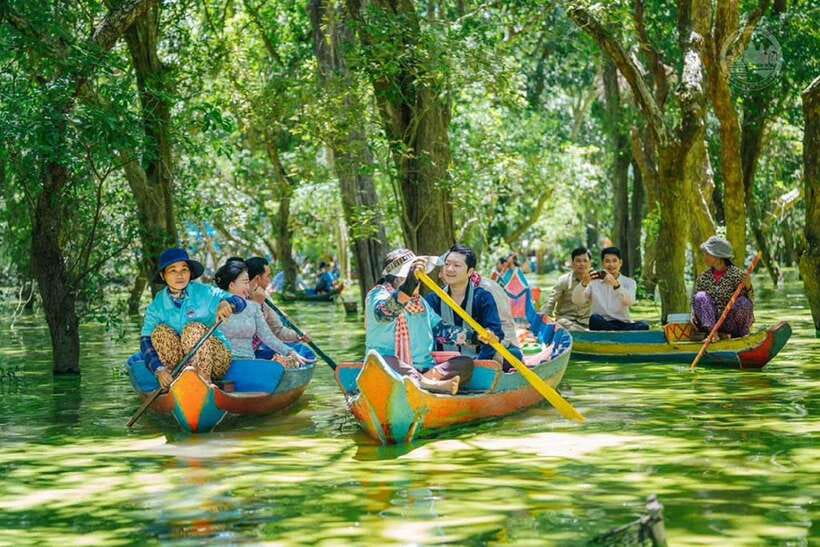
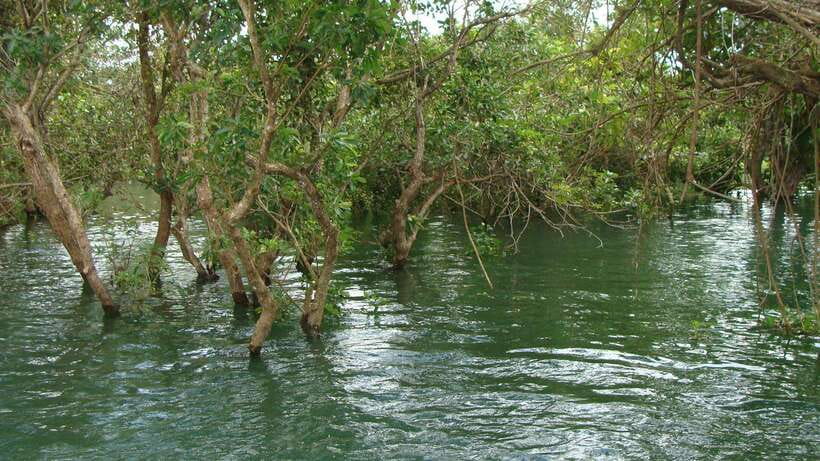
The larger boat is included in the base price, but the small canoe through the flooded forest is not. This optional ride is often the most peaceful part of the afternoon. Local women paddle you through the mangroves and narrow waterways, bringing you closer to the trees and village edges.
The ride lasts about 20 minutes according to one account, though other descriptions suggest a shorter route in some conditions. That difference tells you something useful: the length and route may depend on water levels and local arrangements.
The extra fee also needs attention. Prices cited by customers have ranged from about $5.50 per person to $11 per boat, so confirm the current charge before entering the canoe. The operator may present the cost in a different way depending on how many people share the boat.
I think the canoe is worth considering if you want the closest look at the flooded forest and a quieter pace. It also provides income for local paddlers, including older women trying to make a living. But do not feel misled if you skip it. The main tour still includes the village visit and larger boat trip.
One point of balance: some people felt the canoe ride was too short for the price. If you expect a long expedition, you may be disappointed. If you see it as a brief community-run ride through a distinctive wetland, it makes more sense.
The larger boat and Tonlé Sap at sunset
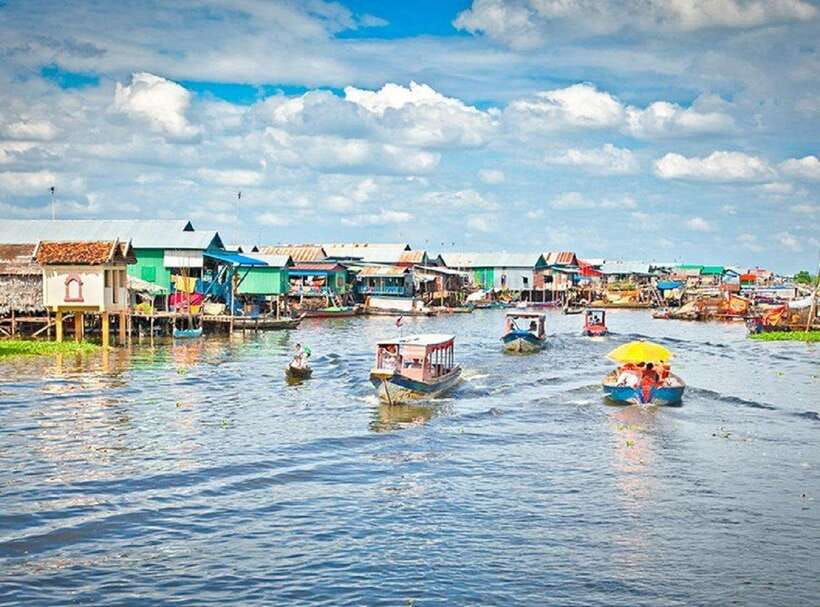
The main boat carries you toward the floating village area, the stilted homes, pagoda, school, and lake. The ride gives you a better view of how the settlement connects to Tonlé Sap, rather than showing only one street or one cluster of houses.
Boat access changes with the season. In high water, you may pass between homes and forest areas by boat. In the dry season, you may walk more and use smaller boats only where the water allows. The supplied information also notes that water levels can make some sections accessible only on foot or by a smaller boat.
The final crossing is the visual highlight. As the sun lowers, Tonlé Sap opens out around you. The water reflects the fading light, and the return journey can feel quiet and spacious after the village walk.
Weather can alter the ending. One departure faced a storm and had to wait at a floating café, while another nearly reached the shore before rain arrived. The tour operates in most weather, so bring a raincoat during the wet season and accept that lake conditions are part of the outing.
Safety and comfort deserve a practical note. Boat access can involve uneven steps and awkward boarding. One older customer found getting on and off difficult and wished for a step. This trip is not wheelchair accessible, and anyone with limited mobility should ask about the boat setup before booking.
Guide quality and group size
The guide may be the most important variable in this experience. Nan has been singled out for being warm, patient, and clear. Rith used humor and animated explanations to bring Cambodian history to life. Sen was praised for sharing local details and giving careful attention to questions. Jack and Phu were also described as friendly and easy to talk with.
English ability appears generally strong, though the experience can vary by guide and group size. One person found a guide too soft-spoken to hear unless standing close. Another wished for a microphone in a larger group.
Group size is not always as small as you might expect from the word intimate. Two minibuses may be combined, and that can make it harder to ask questions or stay close to the guide. If you want the most detailed conversation, remain near the guide during walking sections and ask questions before the group spreads out.
The best guides do more than point at houses. They explain customs, food storage, schooling, seasonal transport, and the meaning of the village layout. That extra context is what turns a scenic boat ride into a useful cultural visit.
Is $17 good value?
Yes, with realistic expectations. For $17, you receive hotel pickup and drop-off in Siem Reap, minibus transport, an English-speaking guide, entrance fees, drinking water, and the larger boat trip. That is strong value for six hours.
The price does not include the small canoe. Because the canoe fee has been quoted in different ways, ask exactly what you will pay and whether the amount is per person or per boat. Cash is essential for this and for other purchases along the way.
You are not paying for a private vehicle, luxury bus, or carefully controlled sightseeing schedule. The minibus may be old, and the group may grow when vehicles are combined. Still, the core experience includes the parts that matter most: Kampong Phluk, the pagoda, school when open, Tonlé Sap, and sunset.
Free cancellation up to 24 hours before departure and the option to reserve now and pay later make the booking fairly flexible. The tour lasts six hours, so leave enough room in your Siem Reap plans for the return journey, especially if rain or boat delays slow the schedule.
Who should book this Tonlé Sap trip?
I would choose this tour if you want to see village life beyond Angkor Wat, prefer a low-cost outing, and enjoy a mix of walking, boat travel, local explanation, and open-water scenery.
It suits first-time visitors who want an easy introduction to Tonlé Sap. It also suits teachers, photographers, and anyone curious about how schools, homes, food storage, and transport adapt to seasonal flooding.
You may want another option if you need wheelchair access, dislike basic vehicles, or want a private and highly polished tour. It may also disappoint you if you book during the dry season expecting every section of the village to be floating.
Wear modest clothing, use sun protection, and bring cash. Do not bring pets. During rainy months, pack a raincoat. Most important, treat Kampong Phluk as a living community. Ask before photographing children, avoid intrusive behavior, and let the guide explain what you are seeing.
Should you book it?
Book it if you want good value and a genuine look at Tonlé Sap life, especially with a guide such as Nan, Rith, or Sen. The village, school, pagoda, flooded forest, and sunset create a varied half-day that costs far less than many organized Siem Reap excursions.
Before paying, check the season and ask about the small canoe fee. If you understand that the water level may change the route, accept the basic minibus, and bring patience for group travel, this is an enjoyable and worthwhile addition to your Siem Reap stay.
FAQ
How long does the Tonlé Sap and Kampong Phluk tour last?
The tour lasts about six hours, including roughly one hour by bus each way between Siem Reap and Kampong Phluk.
What is included in the $17 price?
The price includes hotel pickup and drop-off within Siem Reap city, minibus transport, an English-speaking guide, entrance fees, drinking water, and the larger boat trip.
Is the small boat through the flooded forest included?
No. The small canoe is an optional extra. The exact charge can vary, so confirm whether the current price is per person or per boat before boarding.
What happens during the dry season?
Water levels may be low, so some sections of Kampong Phluk can be visited on foot rather than by boat. The village remains open to explore, but the scenery will differ from the high-water season.
What time will hotel pickup take place?
Pickup is generally between 7:20 a.m. and 8:30 a.m. The exact pickup time is sent by message one day before the tour.
Is the tour wheelchair accessible?
No. Boat access and uneven surfaces make the tour unsuitable for wheelchair users. Boarding can also be difficult for people with limited mobility.
Just added around Siem Reap
- Ultimate Sunrise to Angkor Wat, Angkor Thom and Bayon Temple★ 5.0 · 3 reviews
- Full-Day Private Tour of Angkor Wat with Pick Up★ 5.0 · 12 reviews
- Trekking Tour at Phnom Kulen National Park from Siem Reap★ 5.0 · 3 reviews
- Twilight Tastes of Siem Reap Include Dinner★ 5.0 · 13 reviews
- Siem Reap City Tour with War Museum and Killing Field★ 5.0 · 27 reviews
- Private Day Trip to Angkor Temples with Expert Guide★ 5.0 · 4 reviews
- Waterfall & River of 1000 Siva Linga- Kulen Mountain Private Tour★ 5.0 · 3 reviews
- Private Two Days Siem Reap Temples Discovery Guided Tour★ 5.0 · 7 reviews
Tonle Sap Floating Village Tours, compared.
Sunset tour of Kampong Phluk stilts home village on the Tonle Sap
Read our review →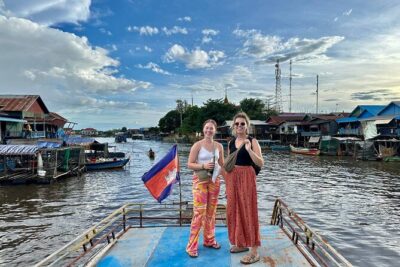
Kompong Phluk Floating Village Half-Day Tour ( Morning / Sunset )
Read our review →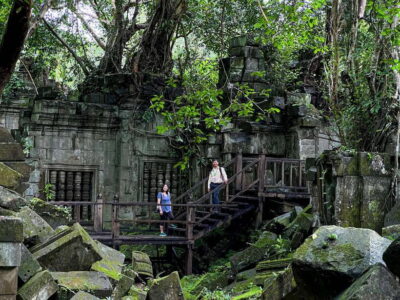
Kulen Mountain, Beng Mealea and Tonle Sap Tour
Read our review →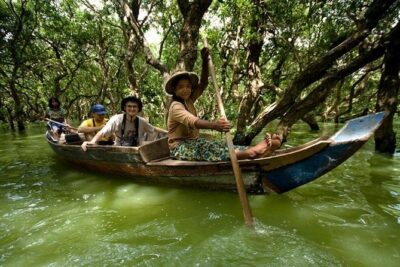
Tonle Sap Lake & Kampong Phluk Village Half-Day Tour
Read our review →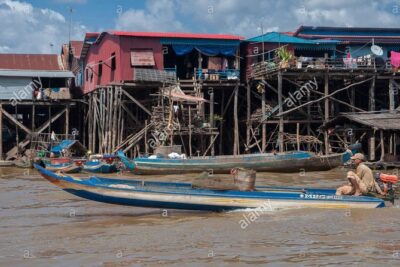
Kulen Mountain with Beng Mealea and Tonle Sap Small Group Tour
Read our review →Browse the lists this tour appears in