
Reviewed · KILLING FIELDS AND WAR MUSEUM TOURS
Siem Reap: Khmer Rogue, War museum &landmine museum Day Tour
Cambodia’s past is not tucked away in a textbook. You can see its scars at Wat Thmei, handle the meaning of abandoned weapons at the Landmine Museum, and trace the country’s long conflict through an open-air collection at the War Museum. This is a serious day, but it gives you a clearer view of Cambodia beyond temples and sunset photos.
I like two things here. First, the tour links three very different places, so you get the human cost, the weapons themselves, and the wider story of war and recovery. Second, a guide can make difficult material easier to understand. Guides Sok Vuthy and Buth Veasna are specifically praised for clear, passionate explanations. The main drawback is the pace: eight hours, several long drives, and emotionally heavy stops leave little room for a light or relaxed afternoon.
Key points at a glance
- Three very different sites: Visit Wat Thmei Killing Fields, the Cambodia Landmine Museum, and War Museum Cambodia in one full day.
- Guided historical context: An English-speaking guide explains the Khmer Rouge period, landmines, weapons, and Cambodia’s recovery.
- A former child soldier founded the Landmine Museum: The collection gives a personal connection to the country’s long struggle with unexploded weapons.
- Long transfers are part of the day: The schedule includes one-hour, 45-minute, and 30-minute drives between parts of the route.
- Practical inclusions: Hotel pickup and drop-off, museum admission, cold water, and a wet towel are covered in the $78 price.
- Prepare for difficult subject matter: Wat Thmei and the museums deal directly with death, war, weapons, and lasting trauma.
What this Siem Reap history tour is really about
This is not a sightseeing circuit designed to fill a spare morning. It is a history day. You will hear about the Khmer Rouge period, the wars that followed, the weapons left behind, and the work involved in rebuilding Cambodian life.
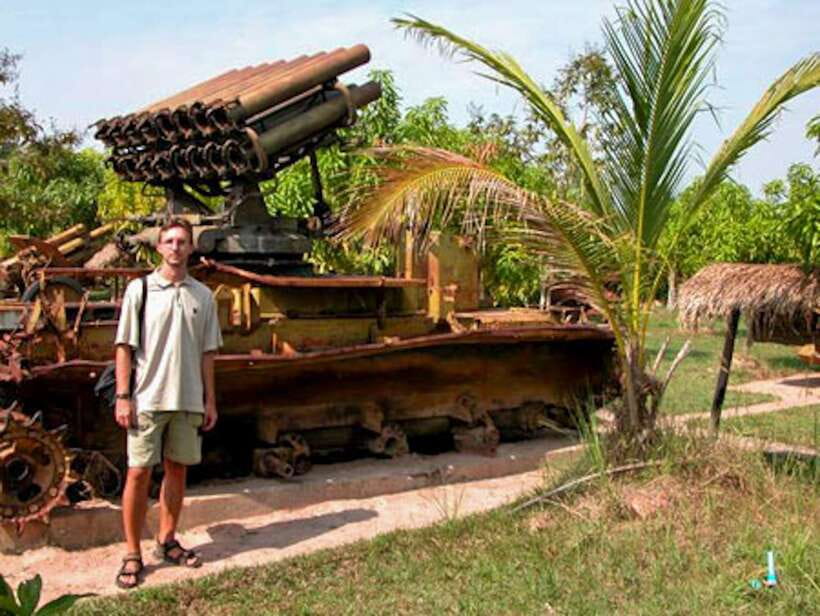
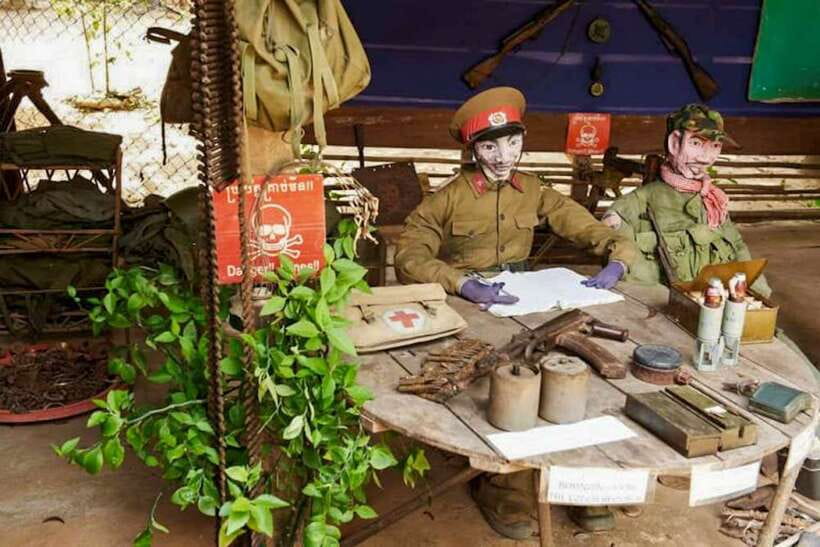
The tour presents this material in three stages. The Killing Fields at Wat Thmei focus on victims and remembrance. The Landmine Museum shows the physical remains of war, including thousands of decommissioned mines and other weapons. War Museum Cambodia broadens the picture with military equipment collected from former conflict areas.
I like that progression. Instead of seeing three similar museums, you move from personal loss to dangerous remnants and then to a wider military story. The subject remains painful, but the structure helps you make sense of it.
The day begins with hotel pickup in Siem Reap by minivan. You need to wait in the hotel lobby 20 minutes before your scheduled pickup. Because the route includes several drives, this is easier than arranging separate transport to sites outside town and trying to find explanations at each stop.
More killing fields and war museum tours in Siem Reap:
- Battambang Full Day Tour from Siem Reap – Bamboo Train, Killing Cave & Sunset
★ 5.0 · 101 reviews - Full Day From Siem Reap – Bamboo Train, Killing Cave & Sunset
★ 5.0 · 57 reviews - Siem Reap: Elephants & Apopo Rat Demining Private Trip
★ 4.6 · 46 reviews
The Cambodia Landmine Museum and its personal story
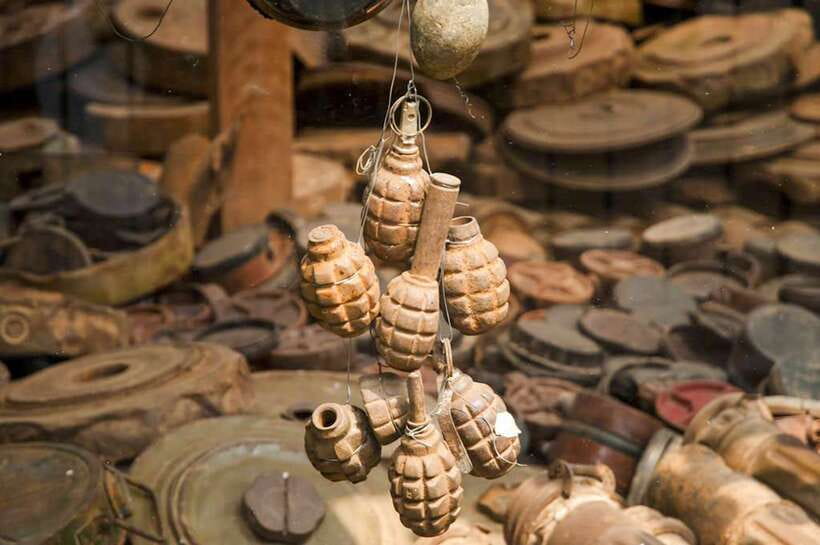
The Landmine Museum is scheduled for about 1.5 hours, with guided touring and walking. Its most important feature is not only the collection itself, but the story behind it. The museum was established by a former child soldier, giving the subject a direct human connection.
You will see thousands of decommissioned landmines and other weapons of war. These objects are no longer active, but their presence makes the problem tangible. A landmine can look small compared with the destruction it causes. Seeing many of them together helps explain why old conflicts continue to affect communities long after fighting ends.
Your guide also explains the wider impact of landmines and ways people can support efforts to remove these remnants of war. That makes the stop more useful than a simple display of military hardware. You learn why clearance matters and why the consequences of conflict do not end when the weapons are silent.
The museum is a strong fit if you want a clear introduction to Cambodia’s postwar challenges. It is also one of the more emotionally direct stops. The material is not presented as an exciting weapons collection. You should expect sober information and a focus on human damage.
The 1.5-hour visit is long enough to look carefully and ask questions without turning into an all-day museum session. Wear practical walking shoes, since the stop includes time on foot. Cold water is provided, which matters in Siem Reap’s heat, especially during a full day outside and in transit.
War Museum Cambodia’s collection of battlefield equipment
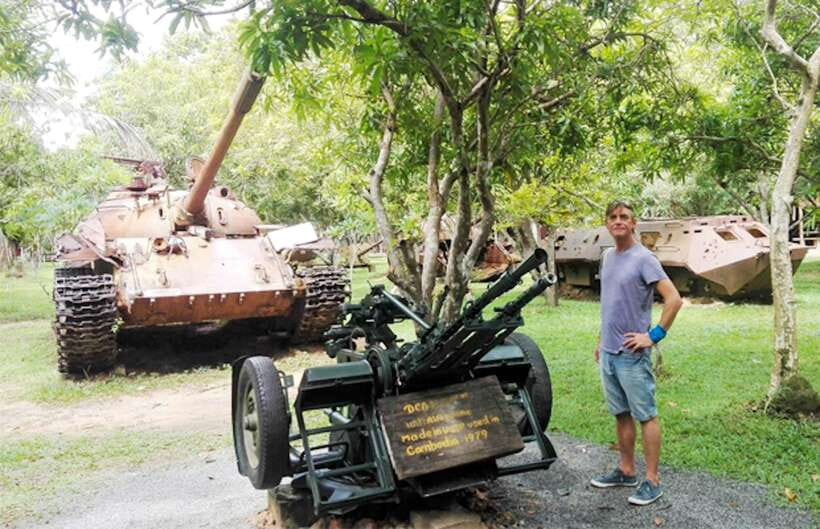
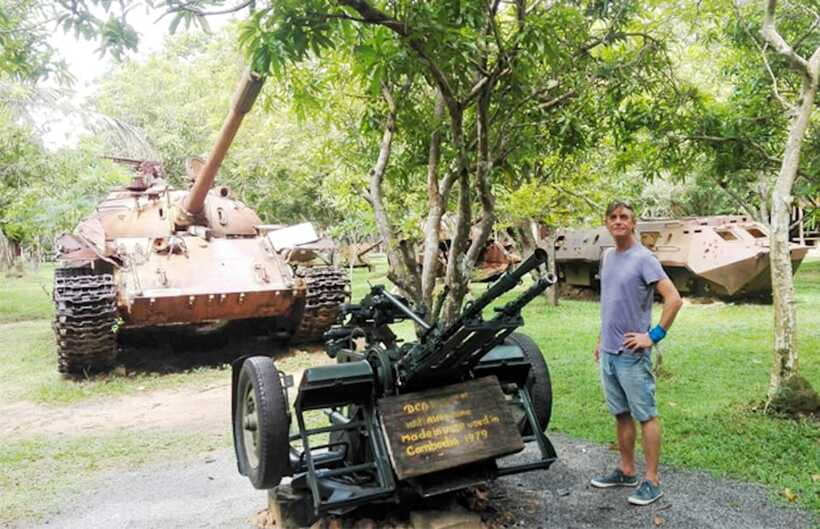
The War Museum follows with another 1.5-hour guided visit. Its collection has been gathered since 1999 from places where fighting took place, including Anlong Veng, Siem Reap, and Odor Meangchey.
This stop gives you a broader view of Cambodia’s complicated conflict history. The collection includes weapons and military equipment, and your guide explains what the different pieces are and how they relate to the country’s wars. The value here comes from the interpretation. Without context, old weapons can become a jumble of metal. With a guide, they help show how long and complex the fighting was.
I would pay close attention to the explanation rather than rushing from object to object. This is where guides such as Sok Vuthy and Buth Veasna can make a real difference. Their strong points are clear explanations, experience, and genuine feeling for the subject, according to the information available about their tours.
Do not expect a polished national museum with a quiet, formal layout. The appeal is the unusual collection and the connection to actual conflict zones. That can make the visit feel direct and unfiltered, but it may also feel less organized than a major state museum.
The War Museum is useful for visitors who want more than a basic account of the Khmer Rouge years. Cambodia’s conflict did not begin and end with one period, and the weapons help place that period within a longer story of violence, foreign involvement, and recovery.
Wat Thmei and the weight of the Killing Fields
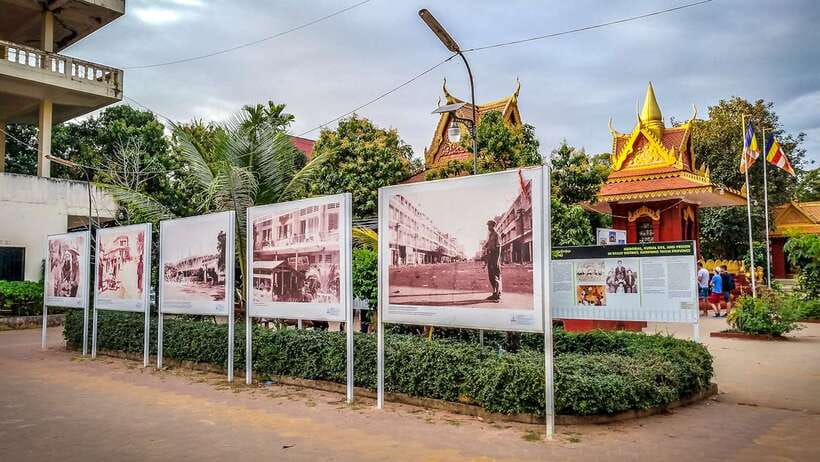
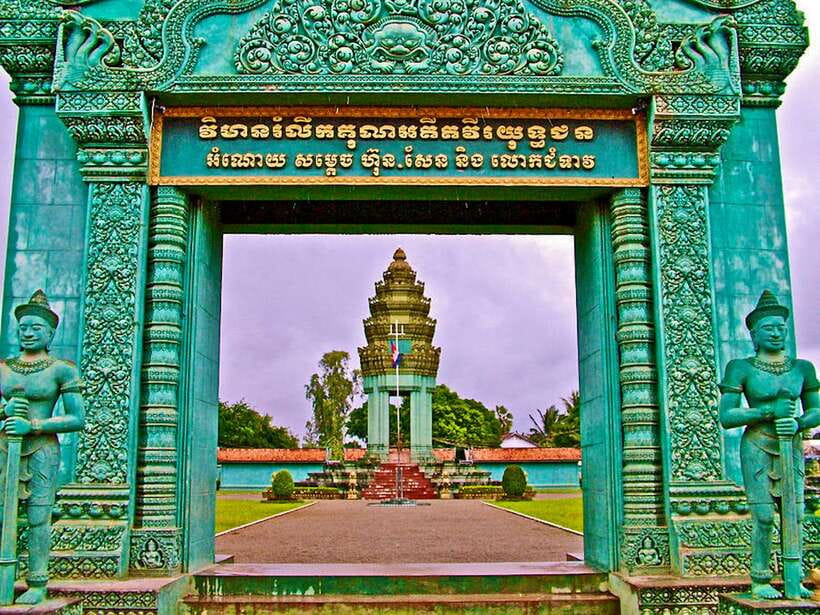
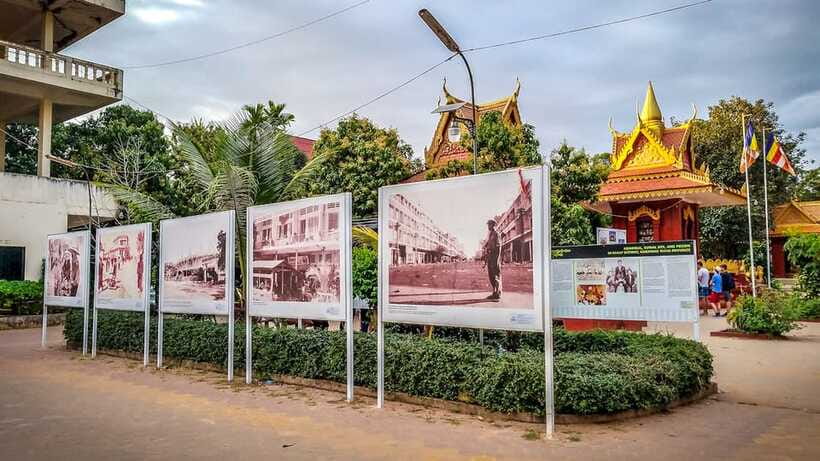
Wat Thmei is the most emotionally difficult stop. The visit lasts about two hours and includes a guided visit and sightseeing. Like other Killing Fields and former Khmer Rouge prison sites, it is a place of grief as well as education.
The site helps you confront the scale of suffering caused during the Khmer Rouge period. It is not something to rush through with a camera in hand. Listen to your guide, take time to reflect, and keep your behavior respectful. Flash photography is not allowed.
The tour description places Wat Thmei within the wider effort to explain both Cambodia’s painful past and its ability to recover. That balance matters. The purpose is not to leave you with a single image of Cambodia as a country defined by tragedy. You see the horror, but you also learn that the country has continued forward.
The published route gives Wat Thmei about two hours, with driving before and after the visit. Depending on the operating order, the day may begin with this site or reach it after the two museums. Either way, I would prefer to visit it when you still have enough energy to listen carefully. If your schedule allows, avoid booking another demanding activity immediately afterward.
This stop may be too heavy for very young children, though the activity itself is described as wheelchair accessible. The supplied information does not give detailed access notes for each individual site, so anyone needing specific assistance should confirm the arrangements before booking.
More museum and attraction tickets in Siem Reap:
- Bantey Srei, Kbal Spean and Landmine museum Private Tuk-Tuk
★ 4.7 · 30 reviews - Siem Reap City Tour with War Museum and Killing Field
★ 5.0 · 27 reviews - Private Tour: HERO Rats & Angkor National Museum
★ 4.5 · 16 reviews - Kbal Spean Trekking Tour with Banteay Srei and Landmine Museum
★ 5.0 · 14 reviews
The driving time and full-day rhythm
The full activity lasts eight hours. The route includes a one-hour coach transfer, another one-hour transfer, a 45-minute drive, and a final 30-minute ride back to Siem Reap. That is a meaningful part of the day, not a minor gap between attractions.
The travel time has one advantage: it gives you a pause after difficult material. You can sit, cool down, and think about what you have seen. The minivan also keeps the day simple, since pickup and return to your hotel are included.
The disadvantage is that the day can feel long. You spend roughly half your time visiting sites and a substantial amount in transit. This tour works best when you want concentrated historical learning, not when you are trying to fit in several unrelated activities.
Bring comfortable clothing, walking shoes, and patience for the road. Cold water and a wet towel are included, but food and soft drinks are not. You should eat before departure or plan for the fact that meals are not part of the package. The supplied details do not identify a lunch stop, so do not count on one being built into the schedule.
Is $78 a fair price?
At $78 per person, this is not the cheapest way to see a museum or memorial in Siem Reap. The price becomes more reasonable when you add up what is included: hotel pickup and drop-off, an English-speaking guide, entry to the museums, cold water, and a wet towel.
The main value is the guide. These sites deal with difficult history, and a good explanation helps you connect separate objects and locations. You are paying for transport as well as interpretation, which is useful because the route involves several long drives.
The cost is easier to justify if you were already planning to visit all three places. Booking separately would mean arranging transport, paying entry fees, and finding your own historical background. If you only want a quick visit to one museum, a private taxi or shorter outing may offer better value.
Food, soft drinks, and souvenirs are extra. Keep that in mind when comparing the price with other full-day tours. The package is strongest for someone who values convenience and guided context rather than simply the lowest possible cost.
Who will get the most from this experience?
I would recommend this tour to adults, older teenagers, history-minded visitors, and anyone who wants to understand modern Cambodia alongside its ancient temples. It is especially useful early in a Siem Reap stay, when you want context for the people and country you are visiting.
It suits you if you prefer a guide who explains what you are seeing instead of simply driving you between stops. It also works well if you have only one day available for Cambodia’s war history and want the three main themes covered in one outing.
This is less suitable if you want a gentle cultural day, a flexible schedule, or lots of time for meals and shopping. The subject is hard, the drives are long, and the program is fixed around three serious sites.
The English-language guiding is a clear advantage for visitors who want explanations in English. Guides Sok Vuthy and Buth Veasna are named among the strong options associated with the experience, with particular praise for clear and passionate presentations. You may not receive one of those two guides on every departure, so treat the guide quality as an important feature of the format rather than a guaranteed personal assignment.
Small practical details that matter
Hotel pickup is included, and you should be in the lobby 20 minutes before the scheduled time. Starting times depend on availability, so check the departure option that fits your day rather than assuming a fixed hour.
Cancellation is free up to 24 hours before departure, and you can reserve now and pay later. That is useful if your Siem Reap plans are still moving around.
The activity is listed as wheelchair accessible. Still, because the day includes walking at three separate sites and long road transfers, confirm any specific mobility needs before paying. The supplied details do not explain vehicle configuration or the exact access conditions at each stop.
Photography is allowed only within the site rules, and flash photography is not permitted. At Wat Thmei, respectful behavior matters more than taking pictures. You should also expect the guide to set the tone at the memorial site.
Should you book this tour?
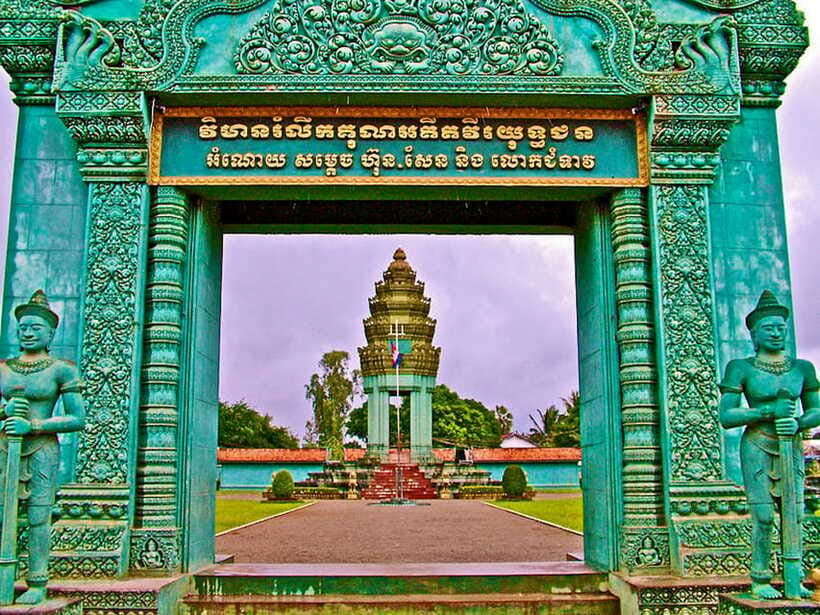
Book it if you want one serious, well-organized day covering Cambodia’s Khmer Rouge history, landmines, weapons, and recovery. The combination of Wat Thmei, the Landmine Museum, and War Museum Cambodia gives you a much fuller picture than visiting a single memorial.
The strongest reason to choose it is the guided format. Clear explanations from a guide such as Sok Vuthy or Buth Veasna can turn a difficult collection of sites into a connected story. The price is fair when you value transport, admission, and historical context in one package.
Skip it if you want a light day, dislike long drives, or would rather explore at your own pace. This is a demanding experience, but for the right visitor, it is one of the most useful ways to understand the recent history behind modern Siem Reap.
FAQ
How long does the tour last?
The tour lasts eight hours, including transportation between the sites and return to your hotel.
Which attractions are included?
The tour includes the Cambodia Landmine Museum, War Museum Cambodia, and Wat Thmei Killing Fields.
Is hotel transportation included?
Yes. Hotel pickup and drop-off in Krong Siem Reap are included.
What language does the guide speak?
The live guide speaks English.
What is included in the $78 price?
The price includes the guide, museum entries, hotel transportation, cold water, and a wet towel.
Is food included?
No. Food and soft drinks are not included.
Is the activity wheelchair accessible?
Yes, the activity is listed as wheelchair accessible. For detailed access arrangements at each stop, confirm before booking.
Can I cancel for a full refund?
Yes. You can cancel up to 24 hours in advance for a full refund.
Are flash photographs allowed?
No. Flash photography is not allowed.
Just added around Siem Reap
- Ultimate Sunrise to Angkor Wat, Angkor Thom and Bayon Temple★ 5.0 · 3 reviews
- Full-Day Private Tour of Angkor Wat with Pick Up★ 5.0 · 12 reviews
- Trekking Tour at Phnom Kulen National Park from Siem Reap★ 5.0 · 3 reviews
- Twilight Tastes of Siem Reap Include Dinner★ 5.0 · 13 reviews
- Siem Reap City Tour with War Museum and Killing Field★ 5.0 · 27 reviews
- Private Day Trip to Angkor Temples with Expert Guide★ 5.0 · 4 reviews
- Waterfall & River of 1000 Siva Linga- Kulen Mountain Private Tour★ 5.0 · 3 reviews
- Private Two Days Siem Reap Temples Discovery Guided Tour★ 5.0 · 7 reviews
Killing Fields and War Museum Tours, compared.
Battambang Full Day Tour from Siem Reap – Bamboo Train, Killing Cave & Sunset
Read our review →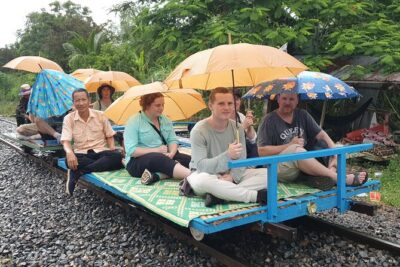
Full Day From Siem Reap – Bamboo Train, Killing Cave & Sunset
Read our review →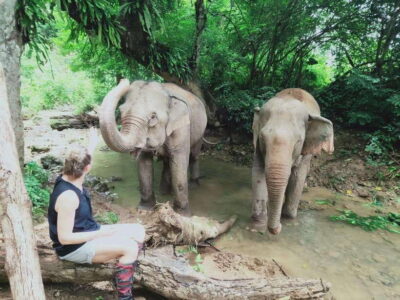
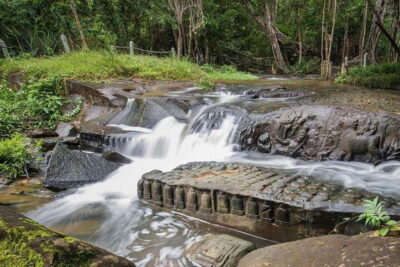
Bantey Srei, Kbal Spean and Landmine museum Private Tuk-Tuk
Read our review →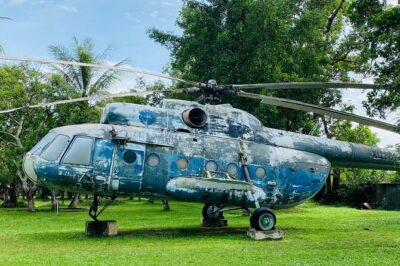
Siem Reap City Tour with War Museum and Killing Field
Read our review →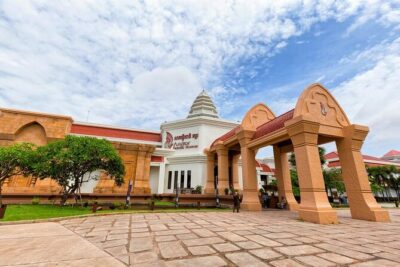
Private Tour: HERO Rats & Angkor National Museum
Read our review →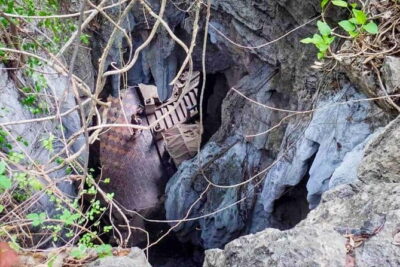
Full Day Tour from Siem Reap – Bamboo Train, Killing Cave & Sunset
Read our review →
War Museum, Killing Field and Floating village ( Chong Kneas) Tour
Read our review →Browse the lists this tour appears in