
Reviewed · KILLING FIELDS AND WAR MUSEUM TOURS
Siem Reap: Elephants & Apopo Rat Demining Private Trip
Siem Reap has plenty of temples, but this outing gives you two very different ways to understand Cambodia today: rescued elephants living with care, and African pouched rats helping clear the country’s dangerous wartime leftovers. You can feed elephants, watch them choose whether to bathe, then see trained rats locate landmines and unexploded ordnance.
I like the small-group format, limited to 10 people, and the way the two visits fit together without forcing you to arrange separate transport. I also like the local touches: drivers such as Lucky and Daniel may explain village life, stop for palm cakes, or help you see more of the countryside. The main catch is price. The $15 transport fee does not include the elephant sanctuary ticket, which adds $45 or $75 for adults, plus $10 for Apopo.
Key points at a glance
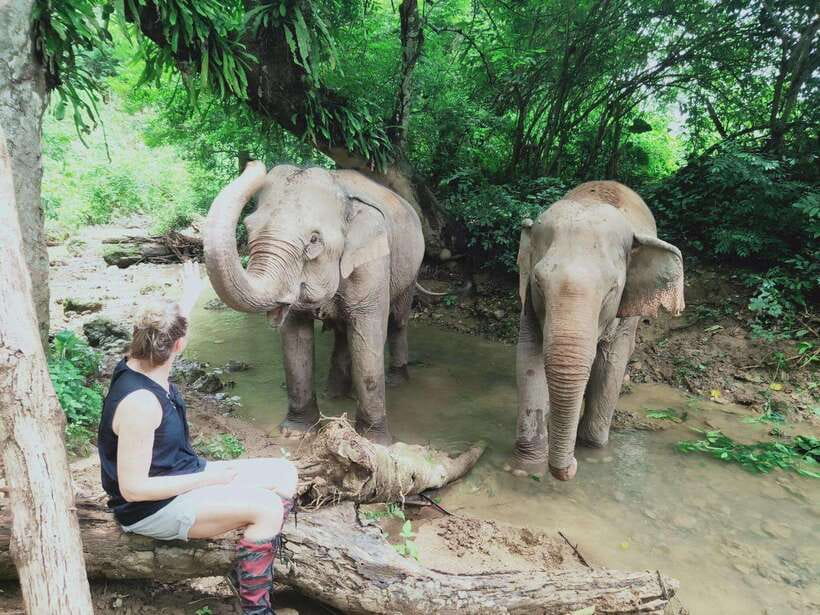
- Three retired elephants at the sanctuary: Feed them, watch their mud bath, and possibly join them in the river.
- Apopo’s Hero Rats in action: See African Giant Pouched Rats train to detect landmines and unexploded ordnance.
- A useful two-stop pairing: The morning route visits elephants first, while the afternoon route reverses the order.
- Comfortable transport from Siem Reap: Ride in an air-conditioned SUV, with hotel pickup and return included.
- Bring spare clothes: Elephant bathing can leave you and your clothes thoroughly wet.
- Budget carefully: The advertised $15 covers transport, a guide, water, and a snack, not the attraction tickets.
Two meaningful stops beyond the temples
This trip works because the stops are so different. At the elephant sanctuary, your focus is on individual animals, their habits, and the care they receive. At Apopo, you see a practical program that uses rats to make contaminated land safer for Cambodian communities.
That contrast gives the day more weight than a simple animal encounter. You are not just looking at wildlife. You are learning about Cambodia’s former use of elephants for labor and its continuing effort to remove the dangers left by conflict.
The experience is sold as a half-day activity, but the supplied duration is listed as 12 hours. The actual time depends on the chosen elephant program, the order of the stops, and time spent on the road. Check the starting time before booking so you know how it fits beside Angkor Wat or another major outing.
More killing fields and war museum tours in Siem Reap:
- Battambang Full Day Tour from Siem Reap – Bamboo Train, Killing Cave & Sunset
★ 5.0 · 101 reviews - Full Day From Siem Reap – Bamboo Train, Killing Cave & Sunset
★ 5.0 · 57 reviews - Bantey Srei, Kbal Spean and Landmine museum Private Tuk-Tuk
★ 4.7 · 30 reviews
The 40-minute ride from Siem Reap
Hotel pickup begins in Krong Siem Reap. You wait in your hotel lobby, and the driver comes inside to find you. Transport is by air-conditioned SUV, although some individual arrangements may use a tuk-tuk, so confirm the vehicle if that matters to you.
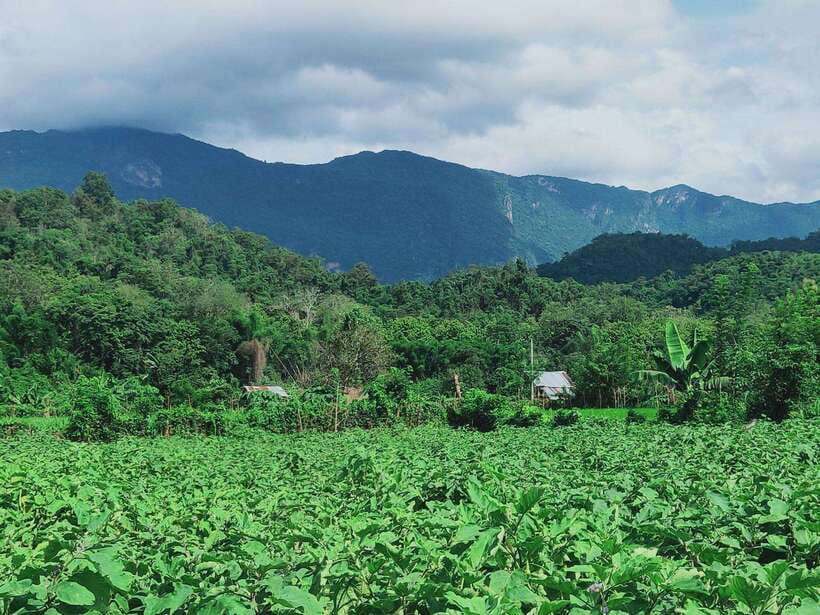
The elephant sanctuary is about 40 minutes outside Siem Reap. That ride is part of the appeal. You leave the busy center and see more of the area around town, rather than spending the entire day among tour buses and temple gates.
Drivers can add value here. Lucky is praised for being polite, helpful, and willing to explain local sights. Daniel has also been described as attentive and generous with local information. Chay is another driver connected with the trip. Depending on the day, you might stop at a roadside shop for fresh palm cakes, roasted pork, or another local snack.
These stops are not guaranteed parts of the formal program, so do not book this trip solely for them. Still, they show why a private or small-group vehicle can be more useful than a rigid bus excursion. You can ask about the villages you pass, stop for a short break, or make a practical detour when time allows.
Feeding elephants at the sanctuary
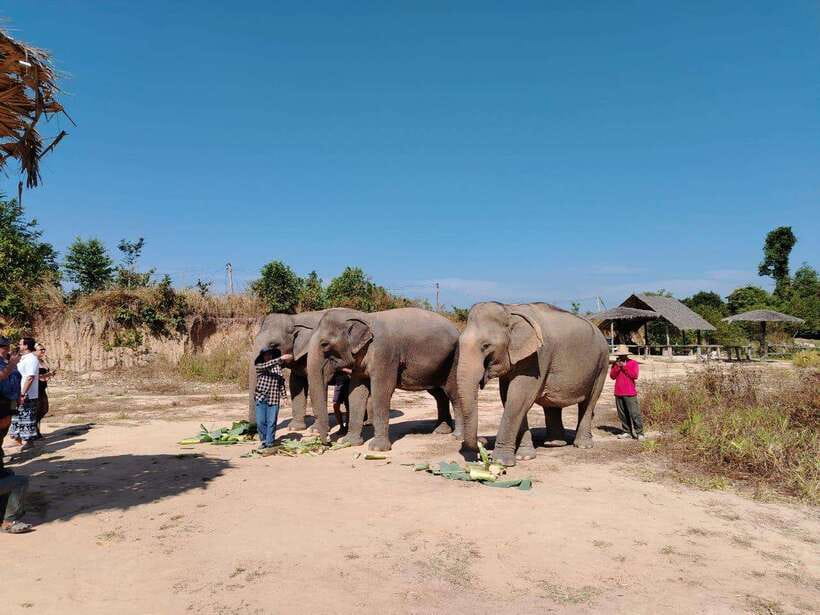
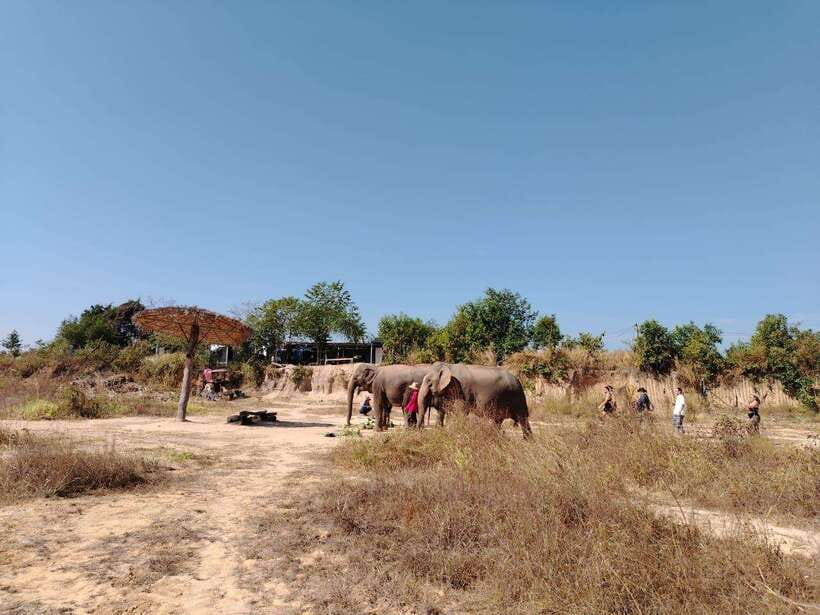
At the sanctuary, an expert guide gives an introduction to elephants in general and to the animals living there. The sanctuary has three elephants, including retired animals that are no longer being used for labor.
The first hands-on activity is making suitable snacks from rice and bananas. You then feed the elephants at close range. This is a better setup than simply watching from behind a fence because you learn what the animals eat and how the staff manage the interaction.
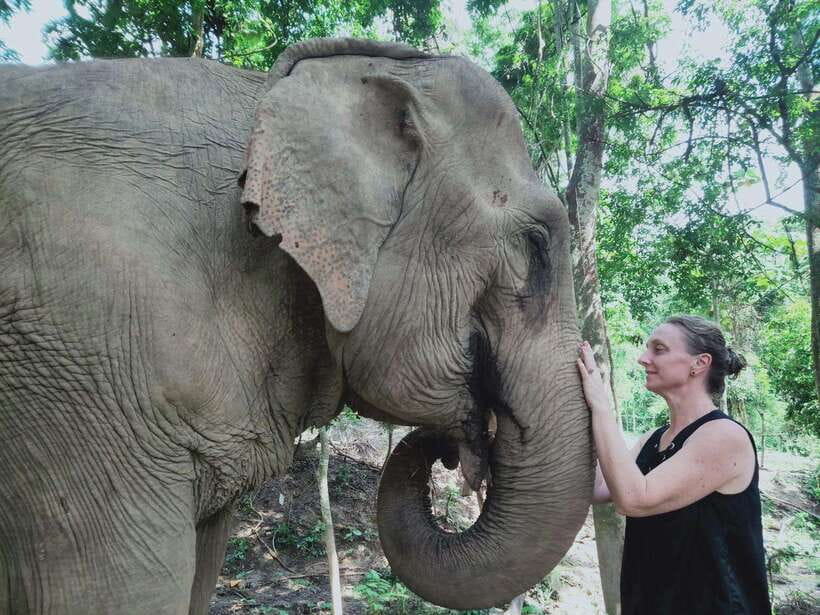
The sanctuary’s approach is built around letting the elephants set the pace. They are not made to perform, ride, or follow a fixed show routine. If they want to eat, walk, bathe, or rest, the program follows their behavior.
That point matters. A close animal experience can feel uncomfortable when the animals are clearly being pushed for photographs. Here, the useful question is not how many tricks you get to see. It is whether the elephants appear free to choose what happens next. The information provided describes the elephants walking, playing, spraying mud, and washing in the river without being forced into activities.
You may have the chance to follow them to a mud bath. Elephants use mud and dust as part of keeping cool, and the scene can become wonderfully messy. Later, you may join them in the river and help wash them. This is the part that calls for spare shorts and a spare shirt. You could get wet even if you begin with good intentions of staying dry.
The staff explain each elephant’s past, eating habits, preferences, and daily behavior. That personal detail makes the visit stronger. You are not looking at three anonymous animals. You begin to understand that each has its own history and temperament.
A snack and tea or coffee are offered at the sanctuary. Fresh fruit has also been provided on some visits. Water is included during transport, which is useful in Cambodia’s heat.
Why the elephant ticket changes the value
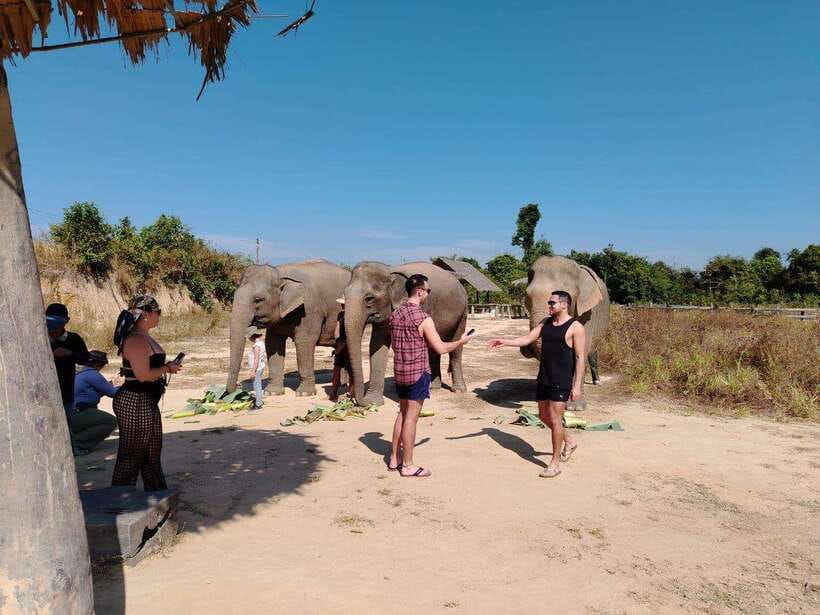
The $15 charge is not the cost of the elephant experience itself. It covers the transportation, English-speaking guide, hotel pickup and return, drinking water, and a morning or afternoon snack.
You purchase the sanctuary admission separately when you arrive. Adults aged 11 and older can choose a $75, two-hour option or a $45, one-hour option. Children aged 3 to 10 are listed at $62. Apopo costs another $10 per person.
For an adult choosing the two-hour elephant visit, the combined cost is therefore $100 before personal expenses. That is a very different budget from the headline $15 price, so plan around the full amount.
I think the transport fee is fair if you want both sites and prefer not to organize taxis yourself. The sanctuary ticket is the larger decision. The two-hour option gives you time for feeding, the mud bath, and the river, while the one-hour option may suit you if you want a shorter animal encounter or need to keep costs down.
Families should check the children’s price carefully. A child aged 3 to 10 is listed at $62 for the sanctuary, while the Apopo fee is $10 each. The activity is described as family-friendly, and children have a chance to feed the elephants and meet the rats, but the total cost can rise quickly for a family.
More private tours in Siem Reap:
- Full-Day Angkor Wat Sunrise Private Tour with Guide from Siem Reap
★ 5.0 · 2,920 reviews - Siem Reap: Angkor Wat Private Tuk-Tuk Tour
★ 4.9 · 2,222 reviews - Angkor Wat Private Day Tour from Siem Reap
★ 5.0 · 834 reviews - Angkor Wat Private Tuk-Tuk Tour (sunrise Option) & more
★ 5.0 · 439 reviews
Watching Apopo’s Hero Rats work
The Apopo Rat Demining Centre is the second major stop. Apopo trains Giant African Pouched Rats to detect the smell of explosives in landmines and unexploded ordnance.
These are not ordinary pet rats. They are smart, purpose-trained animals working in a program that helps clear dangerous ground so it can return to farmers and local communities. The center explains how the training works and lets you watch the rats demonstrate their detection skills.
You can also hold a rat if you want. The animals are much larger than the rats many people picture, and the direct contact helps replace fear with curiosity. Children often find this part especially memorable.
The visit usually lasts an hour or more. That gives you time to learn how the rats are trained, watch a demonstration, and ask questions. The center turns a serious subject into something easy to understand without hiding the reason the work matters.
Cambodia still has landmines and unexploded ordnance in areas affected by past conflict. Apopo’s work is valuable because it links a clever animal-training program to a very practical result: safer land for people. You leave with a clearer idea of how demining happens, rather than only hearing a general statement about Cambodia’s wartime past.
The Apopo ticket costs $10 and is not part of the $15 transport fee. That extra charge is modest, but it should be included when you compare this trip with other Siem Reap activities.
Choosing the morning or afternoon order
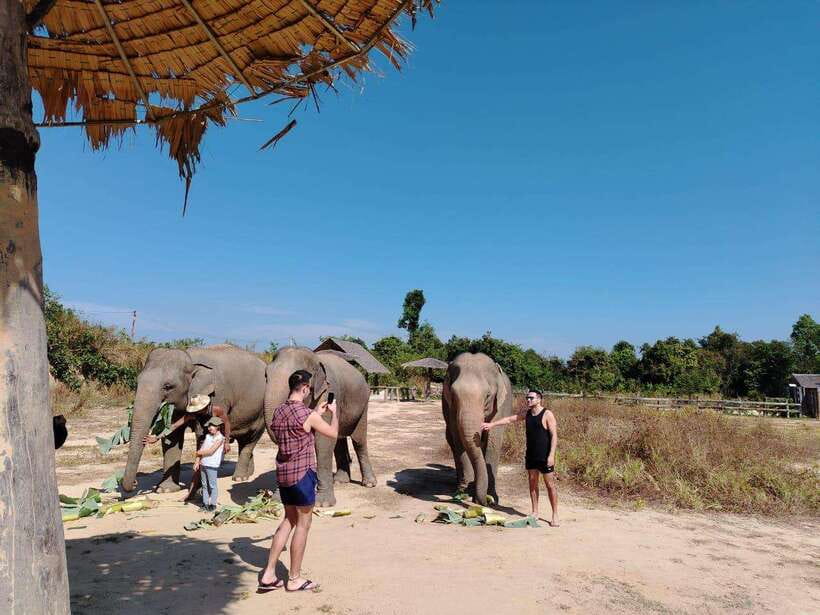
The morning version visits the elephant sanctuary first and Apopo afterward. This order suits you if you want to start with the larger, more active experience, then finish with a focused educational visit.
It also gives you the chance to get wet early and change clothes before returning to town, depending on the timing and your plans. Ask the driver whether there is time to stop for lunch or return to your hotel before another activity.
The afternoon version visits Apopo first and the elephants afterward. This can be a good choice if you prefer a quieter start or want the elephant visit later in the day. The exact start time is subject to availability, so check before you finalize other plans.
The order is reversed, but the content is otherwise the same. You get hotel pickup, transport, both visits, and a return to Siem Reap. Since the advertised duration is 12 hours while the experience is also described as half day, ask how much time the operator expects you to spend at each stop.
Small group benefits and limits
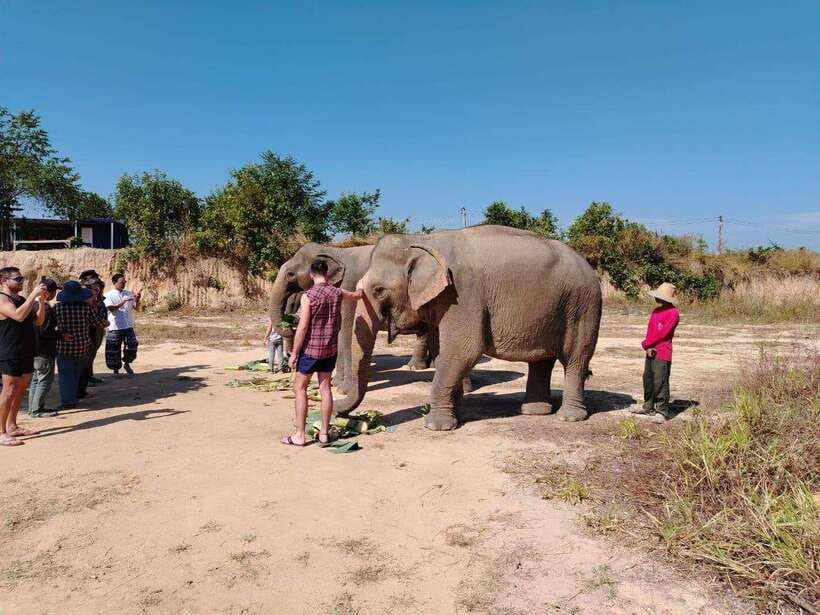
The group is limited to 10 people. That is small enough to keep the elephant session from feeling like a crowd, but it is not necessarily a private tour once you reach the sanctuary.
Some arrangements may be shared with other visitors at the elephant center. A small group gives you more room to hear the guide and spend time near the animals, but you may still need to take turns during feeding or rat handling.
The transport can feel close to private service, especially if there are only a few people in your vehicle. This is one of the strongest reasons to book the combined outing rather than arrange each attraction separately. You get a driver who knows the route and a guide who can help bridge the two visits.
Do not expect a formal sightseeing tour of every place between Siem Reap and the sites. The countryside views are a useful bonus, and drivers may offer local stops, but the stated program centers on the elephants and Apopo.
Guides who add value
The guide makes a noticeable difference here because both stops involve more than looking at animals. You need someone to explain elephant care, describe each animal’s habits, and put the demining work into context.
Lucky is described as friendly, courteous, and willing to add local touches during the drive. Daniel has helped explain village life and the elephants’ background, while Chay has been praised for being friendly and helpful. Your guide may be different, but the provider is listed as offering English and Cambodian.
If you want more from the day, ask questions during the drive. You can ask about the palm cakes being made at roadside stalls, the former work of the elephants, or how the rats identify explosive material. The trip has enough travel time for these conversations.
The guide is also useful for practical matters. Past arrangements have included stops at an ATM, help with lunch plans, and assistance with onward transport. These extras are not guaranteed, but a responsive driver can make the day far easier.
What to pack and plan
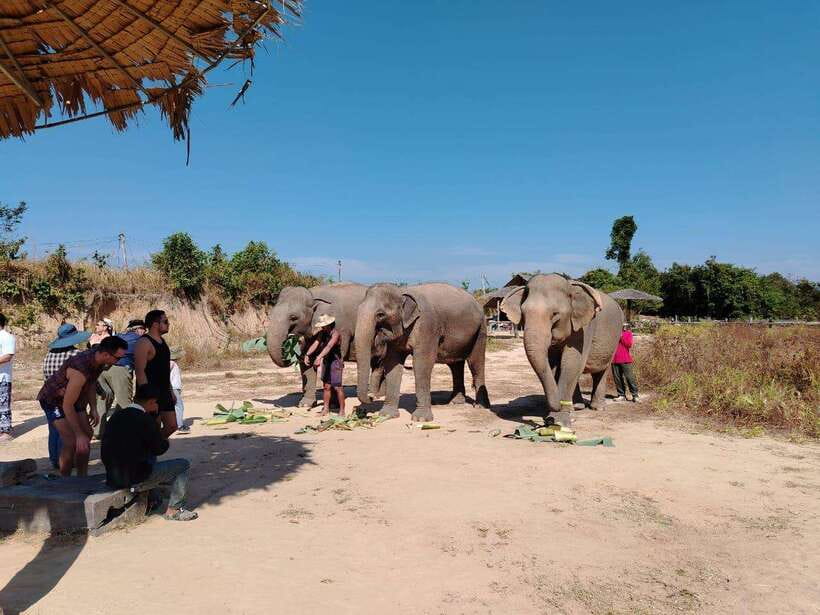
Wear clothes that can handle mud and water if you choose the longer elephant visit. A spare shirt and shorts are sensible, especially if you plan to wash the elephants in the river.
Bring sun protection and comfortable clothes for the drive. Cold drinking water is provided during transport, and a snack with tea or coffee is offered at the sanctuary, but personal food and other expenses are not included.
Keep your phone or camera protected around the river. The provided information does not promise photography equipment, but sanctuary staff may take pictures during the activities. Ask before handing over your phone or assuming photographs are included.
Allow flexibility around the schedule. The road trip, elephant behavior, and shared activities mean the day may not run like a timed stage show. That is a benefit if you want a natural encounter, but it can be a problem if you have a tight evening booking.
You can cancel up to 24 hours before the activity for a full refund, and the reserve-now-pay-later option lets you hold a place without paying immediately. Those policies help if your Siem Reap plans are still moving, but they do not remove the need to confirm the final attraction costs.
Who should book this experience?
I would choose this outing if you want two animal-focused activities in one day and prefer meaningful encounters over another standard sightseeing loop. It suits families, animal lovers, and anyone curious about how Cambodia is dealing with the effects of conflict.
The combination is particularly useful if you have limited time in Siem Reap. You arrange one pickup, one return, and one day of transport, while still seeing two very different projects.
I would hesitate if your budget is tight. The $15 headline cost looks low, but the adult elephant admission and Apopo ticket bring the total much higher. I would also hesitate if you dislike getting wet, want a fully private program at every stop, or need a tightly fixed timetable.
Should you book it?
Book this trip if you want close contact with well-cared-for elephants, a clear look at rat-based demining, and flexible local transport from Siem Reap. The elephant visit is the emotional centerpiece, while Apopo gives the day its practical purpose.
Before booking, calculate the full cost, choose the one-hour or two-hour elephant option, and ask for the exact pickup time. Bring spare clothes, keep your schedule open, and treat the countryside stops as possible extras rather than guaranteed features. If those details suit you, this is a thoughtful change of pace from temple sightseeing.
FAQ
Where does the experience begin and end?
Pickup and drop-off are provided at your hotel in Krong Siem Reap.
How long is the activity?
The duration is listed as 12 hours, although the experience is also described as a half-day visit. Check the available start time and expected schedule before booking.
Is hotel pickup included?
Yes. Wait in your hotel lobby reception area, and the driver will come inside to collect you.
What vehicle is used?
Transport is provided by an air-conditioned SUV. Some individual arrangements may differ, so confirm the vehicle if needed.
Are the elephant sanctuary tickets included?
No. You buy the sanctuary ticket separately at the site. Adults aged 11 and older can choose a $75 two-hour option or a $45 one-hour option. Children aged 3 to 10 are listed at $62.
How much is the Apopo Rat Demining Centre ticket?
The Apopo entry ticket costs $10 per person and is not included in the $15 activity price.
Are both morning and afternoon departures available?
Yes. The morning route visits the elephant sanctuary first and Apopo afterward. The afternoon route visits Apopo first and the elephant sanctuary afterward.
Can I feed the elephants?
Yes. You can help make rice and banana snacks and feed the elephants at close range.
Can I hold one of the rats?
Yes. The Apopo visit includes the opportunity to hold a Giant African Pouched Rat if you want to.
What is included in the $15 price?
The price includes hotel pickup and drop-off, an English-speaking guide, a morning or afternoon snack, and cold drinking water during transport. Personal expenses and both attraction tickets are separate.
Just added around Siem Reap
- Ultimate Sunrise to Angkor Wat, Angkor Thom and Bayon Temple★ 5.0 · 3 reviews
- Full-Day Private Tour of Angkor Wat with Pick Up★ 5.0 · 12 reviews
- Trekking Tour at Phnom Kulen National Park from Siem Reap★ 5.0 · 3 reviews
- Twilight Tastes of Siem Reap Include Dinner★ 5.0 · 13 reviews
- Siem Reap City Tour with War Museum and Killing Field★ 5.0 · 27 reviews
- Private Day Trip to Angkor Temples with Expert Guide★ 5.0 · 4 reviews
- Waterfall & River of 1000 Siva Linga- Kulen Mountain Private Tour★ 5.0 · 3 reviews
- Private Two Days Siem Reap Temples Discovery Guided Tour★ 5.0 · 7 reviews
Killing Fields and War Museum Tours, compared.
Battambang Full Day Tour from Siem Reap – Bamboo Train, Killing Cave & Sunset
Read our review →
Full Day From Siem Reap – Bamboo Train, Killing Cave & Sunset
Read our review →
Bantey Srei, Kbal Spean and Landmine museum Private Tuk-Tuk
Read our review →
Siem Reap City Tour with War Museum and Killing Field
Read our review →
Private Tour: HERO Rats & Angkor National Museum
Read our review →
Full Day Tour from Siem Reap – Bamboo Train, Killing Cave & Sunset
Read our review →
War Museum, Killing Field and Floating village ( Chong Kneas) Tour
Read our review →
Kbal Spean Trekking Tour with Banteay Srei and Landmine Museum
Read our review →Browse the lists this tour appears in