
Reviewed · CAMBODIAN COOKING CLASSES IN SIEM REAP
Siem Reap: Cambodian Desserts Cooking Lesson with Tastings
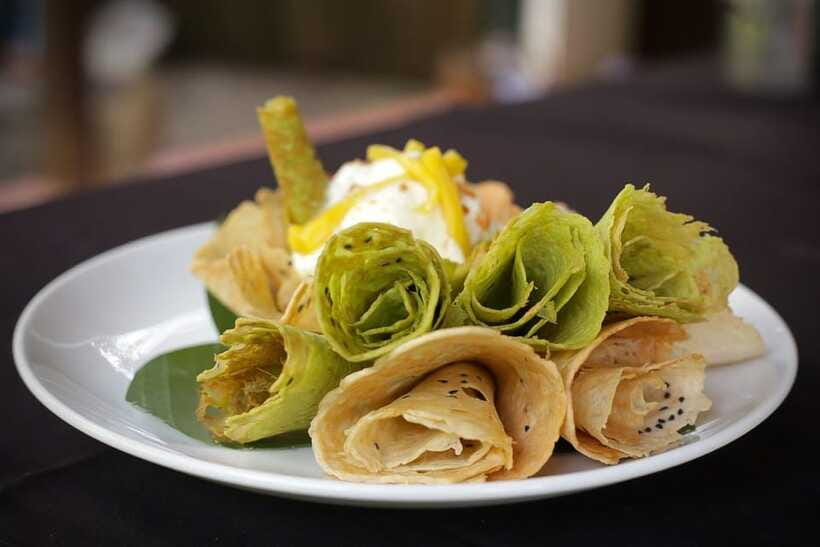
Cambodian desserts are less about heavy sweetness than the perfume of palm sugar, coconut milk, ginger, and lemongrass. This three-hour Siem Reap class lets you turn those everyday ingredients into steamed ginger custard, palm sugar and coconut bananas, and sweet coconut pancakes, with a local market stop often setting the scene.
I like the hands-on setup, since you get your own cooking station and equipment instead of simply watching a chef. I also like the useful take-home value: clear instructions, a recipe card or small recipe booklet, and enough finished food that you may have some to carry back. The main consideration is that the class starts fairly early in your day and takes three hours, so it may feel less appealing if you want a quick food tasting rather than a practical lesson.
Key points to know before booking
- Three traditional sweets: Make steamed ginger custard, palm sugar and coconut bananas, and sweet coconut pancakes.
- A market visit may come first: See familiar Cambodian ingredients and enjoy a first snack before heading to the kitchen.
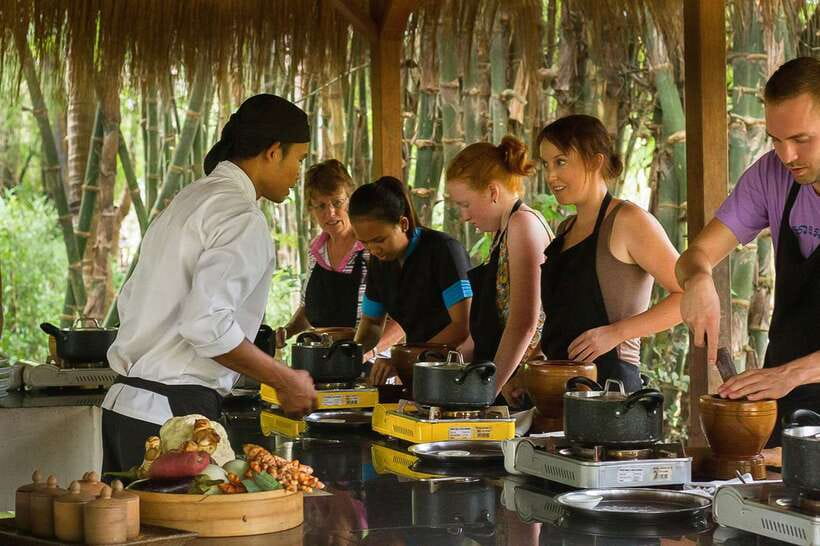
- Your own station: Work with individual equipment and receive step-by-step help from the English-speaking cooking team.
- Tuk-tuk transport included: Pickup and return at your Siem Reap accommodation keep the outing simple.
- Plenty to eat and take away: Tastings are included, and extra sweets may be boxed for later.
- Good value at $32: The price covers transportation, instruction, ingredients, tastings, and recipes for a three-hour activity.
Starting with Cambodian sweets at the market
The outing begins with hotel pickup in Siem Reap. You are asked to wait in the lobby 30 minutes before the scheduled start, which gives the driver and host a clear meeting point and leaves room for the ride to the cooking venue.
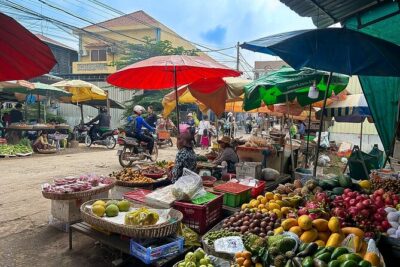
Several sessions begin with a walk through a local market. This is a useful opening because it puts the recipes in context before you start mixing and steaming. You may see the produce and pantry staples used in Cambodian homes, ask questions about unfamiliar foods, and try a first snack along the way.
The market stop is more than a quick shopping errand. Palm sugar can look like a simple sweetener on a recipe card, but the class explains its source in the sugar palm tree and how it becomes the ingredient used in Cambodian cooking. That small lesson helps you understand why palm sugar tastes different from ordinary white sugar.
The market visit is not described as guaranteed in every short activity outline, so I would treat it as a likely part of the experience rather than the main promise. The central booking is the cooking lesson itself. If the market portion matters most to you, check the details for your chosen date.
More Cambodian Cooking Classes in Siem Reap
- Khmer Cooking Class at a Local’s Home in Krong Siem Reap
★ 5.0 · 2,731 reviews - Siem Reap: Khmer Cooking Class at a Local’s Home
★ 5.0 · 1,108 reviews - Award-Winning Cooking Class Experience with Professional Teacher
★ 5.0 · 745 reviews
A quiet outdoor kitchen in Siem Reap
After the market, you travel by tuk-tuk to the cooking venue. The ride is part of the appeal. You are not arranging a separate taxi or trying to find a rural kitchen on your own, and the open-air ride gives the outing a distinctly local feel.
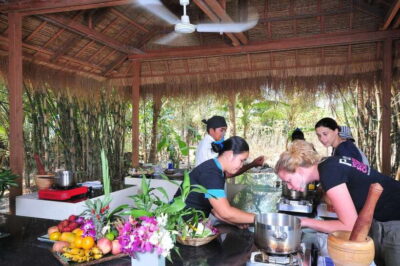
The kitchen has been described as spacious and peaceful, with an outdoor setting surrounded by nature. That makes a difference during a cooking class. You have room to work, and the atmosphere sounds more like an informal meal with friends than a crowded demonstration.
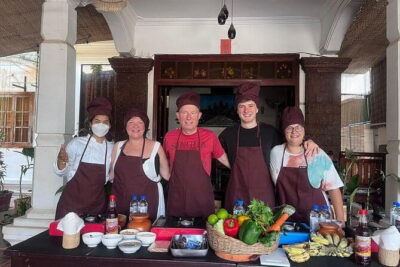
The cooking area is arranged with your own workstation and equipment. This is important if you want to repeat the recipes at home. You are not standing at the back of a group while a chef does all the difficult parts. Instead, you handle the ingredients, follow each stage, and get help when needed.
Group size can vary. One session had just one student, while other bookings included siblings and small groups. A private-feeling class is possible, but you should not assume every departure will be one-to-one. The English-speaking instructor explains each step, and the cooking team includes names such as Prey and Bri in different sessions. Sophia or Sofia has also served as the host for market visits and transfers, with the spelling varying in the available information.
Learning the role of palm sugar
Palm sugar is the star ingredient of this class. The lesson covers its path from the sugar palm tree to the finished product, giving you a basic look at one of Cambodia’s most useful cooking ingredients.
That explanation matters because Cambodian desserts depend on balance. Palm sugar brings a rounded sweetness that works well with coconut milk and fruit. It is not simply there to make everything sugary. You learn how it fits with ginger, lemongrass, and other fresh ingredients.
The class uses ingredients including creamy coconut milk, fresh ginger, lemongrass, bananas, and palm sugar. The recipes therefore offer a good introduction to the flavor pattern behind many Cambodian sweets: fragrant, creamy, gently spicy, and sweet without needing a long list of ingredients.
I like this part for practical reasons. You can buy a recipe book anywhere, but seeing how a local chef handles the ingredients gives you a better chance of repeating the results. The lesson also helps you recognize what to look for in Cambodian markets during the rest of your stay.
Three desserts, three different techniques
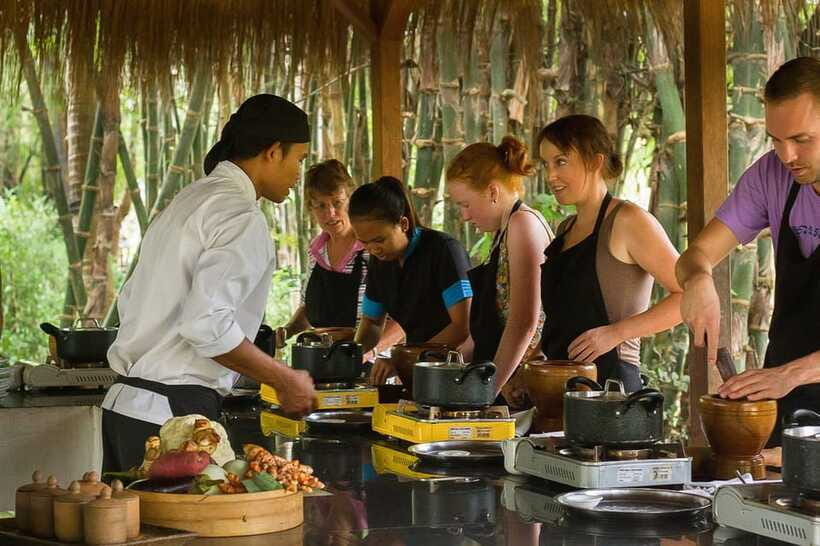
The class covers three desserts, and each one gives you a different task. The exact order may vary, but you can expect the chef to demonstrate the process and then let you prepare your own portions.
A different sort of day out around Siem Reap:
- Angkor Wat Sunrise or Sunset Tour with Guide from Siem Reap
★ 5.0 · 12,109 reviews - Siem Reap: Angkor Wat: Small-Group Sunrise or Sunset Tour
★ 5.0 · 9,444 reviews - From Siem Reap: Kampong Phluk Floating Village Tour by Boat
★ 4.9 · 6,979 reviews - Sunset tour of Kampong Phluk stilts home village on the Tonle Sap
★ 5.0 · 4,865 reviews
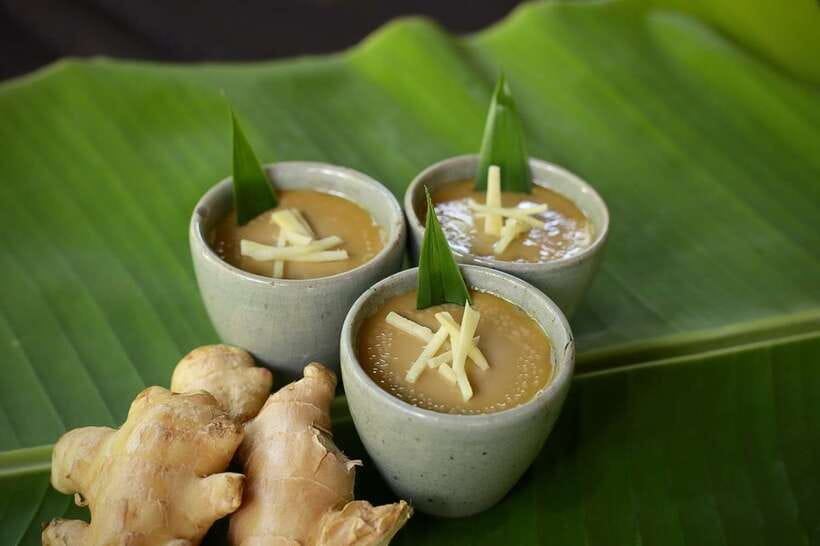
Steamed ginger custard
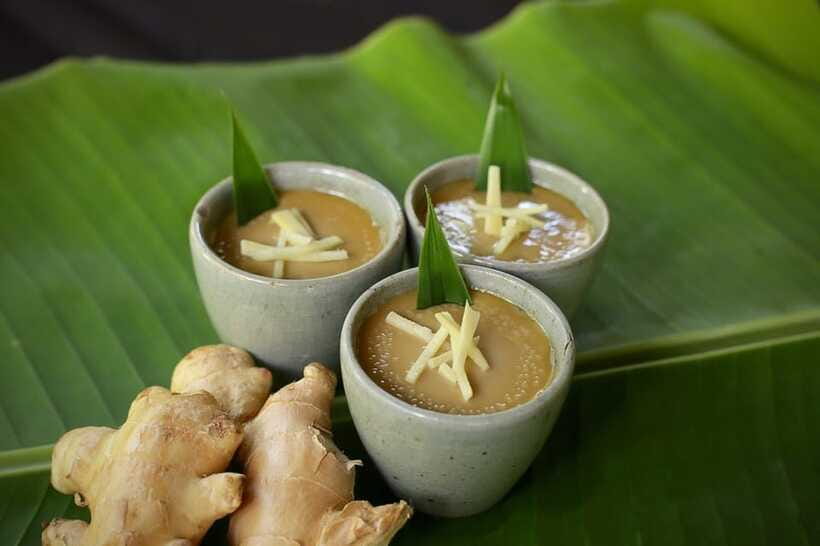
The steamed ginger custard is likely to appeal to anyone who enjoys soft, fragrant desserts. Ginger gives it a warm edge, while the custard provides a smooth texture. Steaming also introduces a technique that may be less familiar than baking or frying.
Pay attention to the chef’s timing and texture tips. Custard can go from smooth to overcooked if handled carelessly, so this is the sort of dish where close instruction is useful. The class format lets you ask questions as you work instead of trying to solve the problem later from a recipe card.
This was a favorite for at least one participant, and it is easy to see why. It feels distinctly different from a standard Western pudding, yet the ingredients remain approachable enough for a home kitchen.
Palm sugar and coconut bananas
The banana dessert brings together ripe fruit, palm sugar, and coconut. It is simple in concept, but the quality of the result depends on how the sweetness and creaminess are balanced.
This is a good recipe for home cooks because the ingredients are familiar in many places. The Cambodian touch comes from the palm sugar and coconut combination, along with the chef’s method. You are learning a local dish without needing specialist equipment.
Sweet coconut pancakes
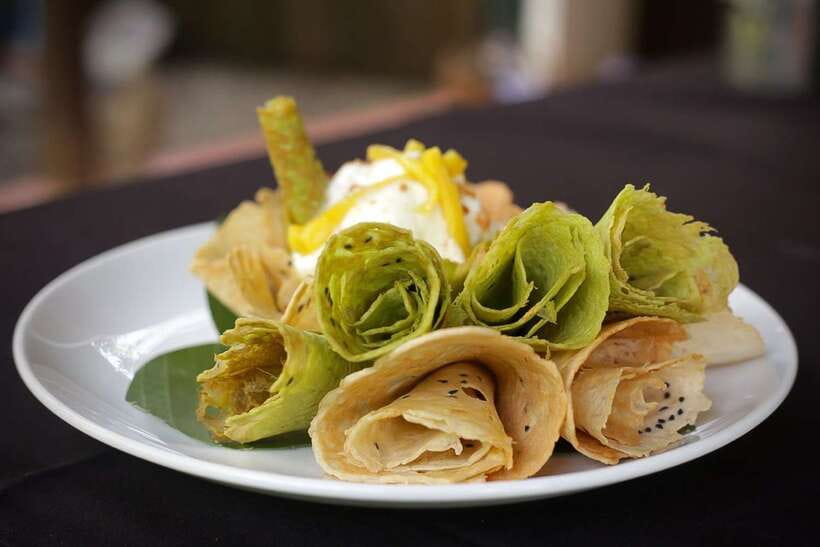
The coconut pancakes add a more active element to the lesson. You get to work with batter and learn how the chef manages the cooking process. The result is a small, fragrant sweet that makes a pleasant contrast to the soft custard and fruit dessert.
Together, the three recipes make a sensible set. You are not preparing three versions of the same dish. Instead, you practice steaming, working with fruit, and cooking a pancake-style sweet, all with a shared group of Cambodian flavors.
Clear instruction and a friendly kitchen
The best part of this class is the amount of direct help. The chefs explain each step clearly, and the teaching style suits beginners. You do not need advanced cooking skills to take part.
The cooking team has also been praised for patience and personal attention. That is especially useful when a technique feels unfamiliar or when you want to ask about substitutions at home. The chef can show you what to look for rather than leaving you to guess from a translated recipe.
The atmosphere appears relaxed and social. One participant described it as feeling like sitting in a kitchen with friends. That mood will suit you if you prefer a warm, informal food experience over a polished demonstration with little contact.
The class is also attentive to small practical needs. One participant who had missed breakfast was offered fruit and tea. That does not mean a full breakfast is included, but it does suggest the hosts pay attention to comfort during the session.
Tastings, leftovers, and the recipe card
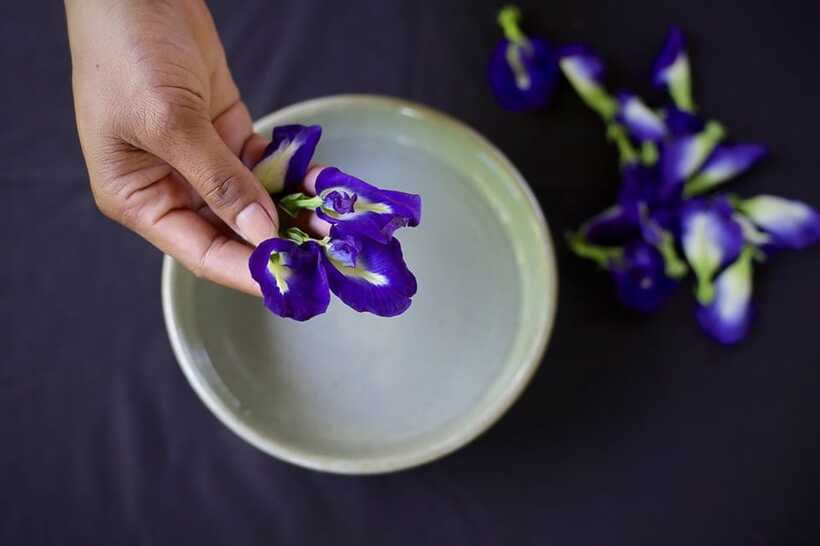
You eat the desserts during the class, but you may not be able to finish everything. Portions can be generous, and extra sweets may be carefully boxed for you to take away.
This is a real advantage in Siem Reap, where a cooking lesson can become part of both your lunch planning and your evening snack. It also lets you share the results with someone staying at your accommodation.
You receive a recipe card or small recipe booklet to take home. The wording and format may vary, but the purpose is the same: you leave with something more useful than a few photographs. Write down any extra tips the chef gives you, especially about palm sugar, coconut milk, and cooking times.
The recipes are designed to be repeated. You still need to source the ingredients and adapt to your own equipment, but the class gives you a workable starting point. That makes it a better choice than a food tour if you want to recreate part of your Cambodia trip in your own kitchen.
Is $32 a fair price?
At $32 per person, the price is reasonable for a three-hour activity that includes hotel pickup and drop-off, tuk-tuk transport, instruction, ingredients, tastings, and recipes.
The value is strongest if you use the whole experience. You are paying for more than three finished desserts. You also get a market introduction, local food guidance, hands-on practice, a chef’s help, and transport to and from the venue.
A cheaper tasting might let you try Cambodian sweets, but it would not give you the same chance to learn the method. A longer professional cooking course could offer more dishes, but it would take more time and likely cost more. This class sits in a useful middle ground for a half-day activity.
The price is less attractive if you only want to eat and have no interest in cooking. You will spend part of the three hours preparing ingredients and following instructions. That is the point of the outing, but it is worth being clear about before booking.
Who should book this class?
I would recommend it to couples, siblings, families with older children, solo visitors, and anyone who likes bringing home a practical skill. It is especially suitable if you want a quieter counterpoint to temple visits and city sightseeing.
Solo participants should not worry that the class requires a large group. One session had a single participant who received close instruction and still found the experience enjoyable. At the same time, people who like a social setting can join with relatives or other participants when the schedule brings a small group together.
This is also a good choice for food-minded visitors who want to understand Cambodian ingredients instead of simply photographing finished dishes. The market walk, when included, adds useful context, while the recipe card helps you continue the experience after returning home.
You might choose another activity if you want a full savory Cambodian meal, a long market tour, or a large menu of dishes. This outing focuses specifically on sweets and keeps the lesson to three hours.
Practical details for a smooth visit
Hotel pickup and drop-off are included within Siem Reap. Wait in your hotel lobby 30 minutes before the start time, since the vehicle and host need to locate you without delay.
The activity is offered in English. Starting times vary, so check availability when selecting your date. The booking price is $32 per person, and you can reserve now while paying later, which helps if you are still arranging your Siem Reap schedule.
Free cancellation is available up to 24 hours before the activity for a full refund. That gives you some flexibility, but you should still confirm the timing and pickup details before the day of the class.
Wear something comfortable for cooking and choose clothing you do not mind wearing during a food preparation session. No special skill is required, but an open attitude helps. The class is built around doing, tasting, and asking questions.
Should you book it?
Book this class if you want a hands-on introduction to Cambodian food, especially if palm sugar, coconut, and local sweets interest you. The combination of tuk-tuk transport, market time, a personal workstation, friendly instruction, three desserts, and take-home recipes gives the $32 price solid value.
I would skip it only if you want a quick tasting with no cooking or if your schedule cannot spare three hours. For everyone else, it offers a pleasant change from sightseeing and a skill you can use long after leaving Siem Reap.
FAQ
How long does the Cambodian dessert cooking class last?
The activity lasts three hours, including the cooking lesson, tastings, and transportation connected with the experience.
What desserts will I learn to make?
You will learn to prepare steamed ginger custard, palm sugar and coconut bananas, and sweet coconut pancakes.
Is hotel transportation included?
Yes. Pickup and drop-off at your accommodation in Siem Reap are included, with tuk-tuk transportation used for the journey to and from the class.
What language is the cooking lesson taught in?
The instructor teaches in English.
Do I receive recipes to take home?
Yes. You receive a recipe card or small recipe booklet so you can reproduce the desserts at home.
Can I cancel for a refund?
You can cancel up to 24 hours before the activity for a full refund. You can also reserve now and pay later, which keeps your plans flexible.
More craft workshops and tastings in Siem Reap
- Siem Reap: Cambodian Pottery Class
★ 4.9 · 339 reviews - Cambodian Village Cooking Class
★ 5.0 · 265 reviews - Cambodian Cooking Class from Siem Reap
★ 4.9 · 190 reviews - Siem Reap Cooking Class
★ 5.0 · 170 reviews
Just added around Siem Reap
- Ultimate Sunrise to Angkor Wat, Angkor Thom and Bayon Temple★ 5.0 · 3 reviews
- Full-Day Private Tour of Angkor Wat with Pick Up★ 5.0 · 12 reviews
- Trekking Tour at Phnom Kulen National Park from Siem Reap★ 5.0 · 3 reviews
- Twilight Tastes of Siem Reap Include Dinner★ 5.0 · 13 reviews
- Siem Reap City Tour with War Museum and Killing Field★ 5.0 · 27 reviews
- Private Day Trip to Angkor Temples with Expert Guide★ 5.0 · 4 reviews
- Waterfall & River of 1000 Siva Linga- Kulen Mountain Private Tour★ 5.0 · 3 reviews
- Private Two Days Siem Reap Temples Discovery Guided Tour★ 5.0 · 7 reviews
Cambodian Cooking Classes in Siem Reap, compared.
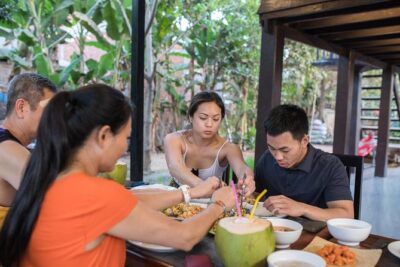
Khmer Cooking Class at a Local’s Home in Krong Siem Reap
Read our review →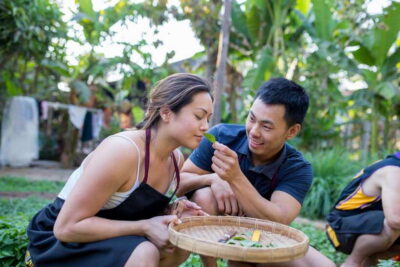
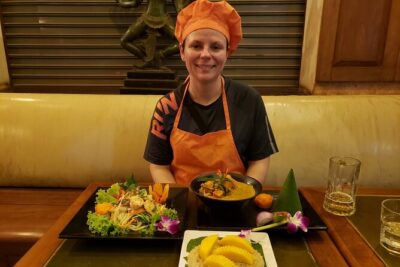
Award-Winning Cooking Class Experience with Professional Teacher
Read our review →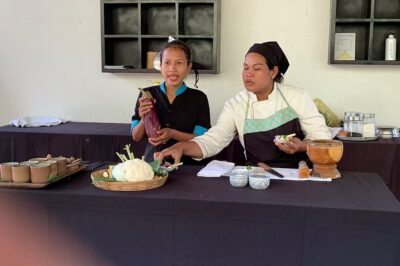
Browse the lists this tour appears in