
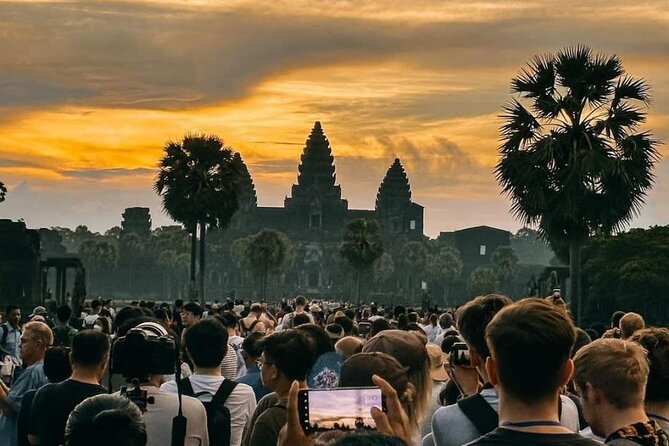
Reviewed · ANGKOR WAT SUNRISE TOURS
Private Angkor Sunrise Guided Tour
Angkor Wat at sunrise is the reason to set an alarm for 4:30 am. This private Siem Reap tour gets you to the temple early, then carries you through Angkor Wat, Angkor Thom, and Ta Prohm before the heat becomes too much. Your English-speaking guide handles the history and route while an air-conditioned vehicle handles the short hops.
I like the door-to-door pickup and the small private format. You are not waiting for a large bus or being pushed through the temples at one fixed pace. I also like the practical touches: bottled water, cold towels, and the chance to add a four-course breakfast at an Angkor restaurant.
The main drawback is the early start and the extra cost of temple admission. Sunrise is weather-dependent, and the published ticket details list both $37 for a one-day pass and $62 for a three-day pass, so confirm the current fee before booking.
Key points at a glance
- Sunrise begins at 5:00 am: You reach Angkor Wat early, though clouds can affect the colors and reflections.
- Three essential temple sites: The route covers Angkor Wat, Bayon in Angkor Thom, and Ta Prohm.
- Private transport from your hotel: Air conditioning, bottled water, and cold towels make the long morning easier.
- A real guide, not just a driver: Guides such as Sayoeun and Soaly have been praised for patient explanations of architecture, religion, and Cambodian history.
- Breakfast is optional: The base price is $23, while a four-course breakfast and larger meal packages cost extra.
- Seven hours of temple time: Expect to finish around noon, depending on traffic, walking pace, and the exact schedule.
Why this early Angkor tour works
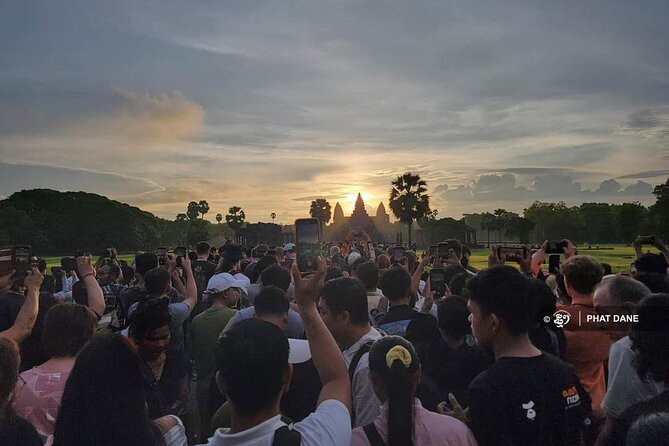
The smart idea here is not simply seeing three famous temples. It is the order. You begin before dawn at Angkor Wat, pause for breakfast or snacks, then continue to Angkor Wat’s interior before visiting Angkor Thom and Ta Prohm.
That early start matters in Cambodia. The temple grounds are open, exposed, and hot later in the day. Starting at 5:00 am gives you cooler walking conditions and a better chance to see Angkor Wat before the busiest part of the morning.
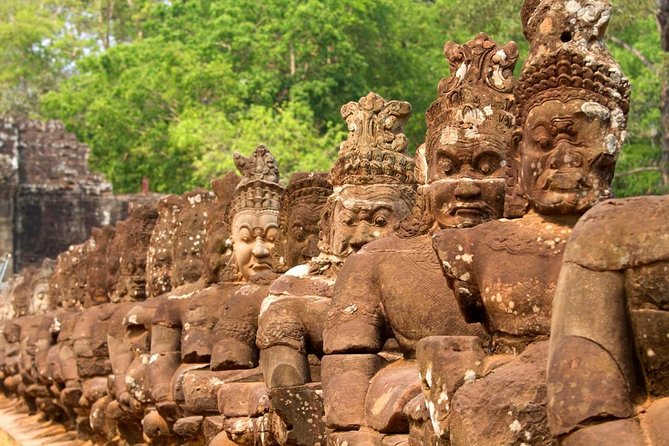
You also get a private guide. That changes the experience more than the private vehicle does. Angkor is huge, and its carved walls can look like a long parade of stone figures if nobody explains what you are seeing. A good guide can point out the religious imagery, temple design, and the role each site played in the Khmer world.
This is still a highlights tour, not a complete survey of every Angkor temple. You will see the essential three, but you will not cover every remote ruin in the park. For a first visit with one morning available, that is a sensible trade.
More sunrise tours in Siem Reap:
- Angkor Wat Sunrise or Sunset Tour with Guide from Siem Reap
★ 5.0 · 12,109 reviews - Siem Reap: Angkor Wat: Small-Group Sunrise or Sunset Tour
★ 5.0 · 9,444 reviews - Siem Reap: Angkor Wat 2-Day Tour with Sunrise and Sunset
★ 4.9 · 4,429 reviews
The 5:00 am pickup and ticket stop
Your guide picks you up from your hotel at about 5:00 am in an air-conditioned vehicle. The tour is private, so only your group participates. That gives you room to adjust small details, ask questions, and keep the morning from feeling like a race.
The first stop is the Angkor Enterprise office, where you purchase your park admission. The ticket is not part of the $23 tour price. The supplied details list a one-day ticket at $37 and a three-day ticket at $62, while another line lists an Angkor Wat entrance fee of $62 per person. Since those figures do not fully match, check the current price and ticket rules when you book.
This is an important budget point. The advertised tour price looks low, but your total cost includes the temple pass and any meal upgrade. Even so, the $23 fee covers the guide, vehicle, hotel transfers, bottled water, and cold towels. For a private half-day outing, that can be good value if you want structure and historical context.
Bring your ticket money, water if you prefer a certain brand, insect repellent, and a light layer for the cool start. You will need comfortable walking shoes. The dress code is smart and casual, with shoulders covered and trousers, knee-length pants, or skirts suitable for the religious sites.
Sunrise at Angkor Wat
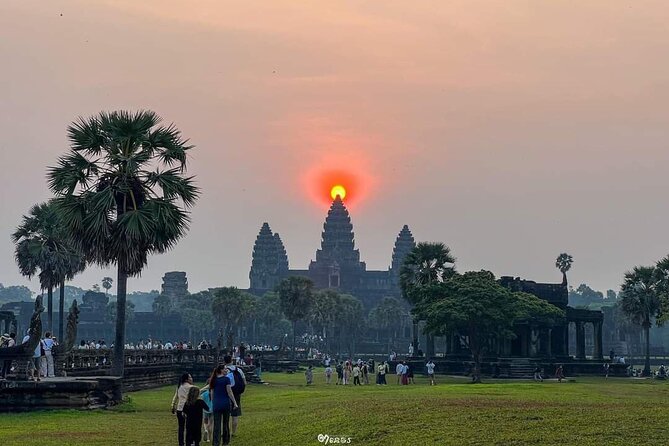
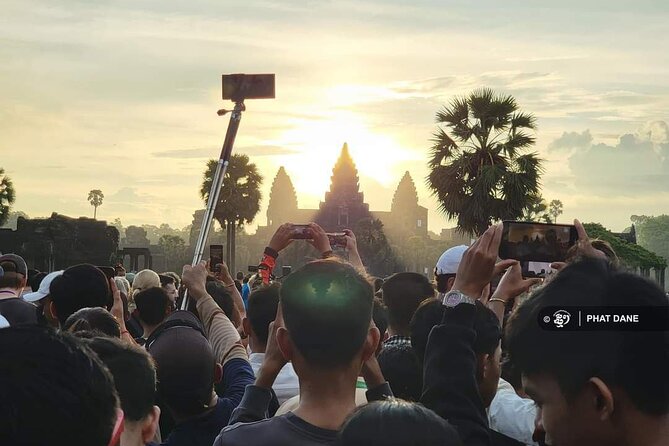
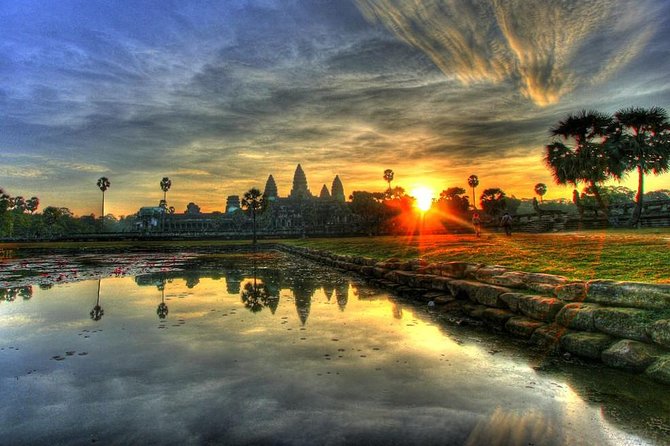
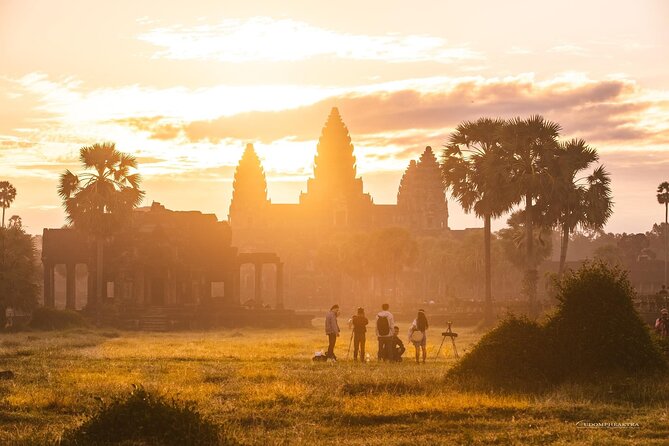
After the ticket stop, you go straight to Angkor Wat for sunrise. The temple is famous for its broad approach, towers, reflecting pools, and first light behind the central structure. The schedule allows about an hour here at the start.
Keep expectations sensible. Sunrise is weather-dependent. Clear skies can produce the dramatic colors people hope for, but clouds may soften or block the view. The temple itself remains worthwhile even when the sky does not cooperate, but you should not treat a perfect reflection as guaranteed.
The early arrival gives you time to look around before the day warms up. It also lets your guide explain the temple before you get distracted by its size. Angkor Wat was built as a major Hindu temple and later became a Buddhist religious site, so its imagery reflects a long religious life rather than a single moment.
Your first visit is mainly about the exterior and the sunrise setting. You return after breakfast for a fuller exploration. That split works well because trying to see every gallery and bas-relief before sunrise would make the opening part of the tour feel rushed.
Srah Srang and the breakfast choice
The next planned stop is Srah Srang, a large reservoir near the temple area. The schedule allows about an hour for a restaurant stop, breakfast, or snacks. You can bring your own food, choose the four-course breakfast upgrade, or select a larger package that adds lunch.
This is where you should read the package details carefully. Breakfast is not included in the basic $23 option. A four-course meal is available as an upgrade, and another option includes breakfast and lunch. A package with all three meals and an Apsara show is also offered.
The breakfast upgrade may suit you if you want a proper sit-down break without arranging food before dawn. It is less useful if you prefer a quick snack and want to spend every available minute at the temples. The base tour gives you flexibility, but you should not assume food is included simply because the vehicle stops at a restaurant.
Srah Srang itself provides a calmer change of pace after the first temple visit. You get a chance to sit, cool down, and prepare for more walking. If the morning is humid, that pause can make the second half much more comfortable.
A different sort of day out around Siem Reap:
- From Siem Reap: Kampong Phluk Floating Village Tour by Boat
★ 4.9 · 6,979 reviews - Sunset tour of Kampong Phluk stilts home village on the Tonle Sap
★ 5.0 · 4,865 reviews - Siem Reap: Full-Day Angkor Wat Guided Tour with Sunset
★ 4.9 · 3,803 reviews - Angkor Wat Sunrise tour with Small – Group and Guide tours
★ 5.0 · 3,655 reviews
Returning to Angkor Wat for the details
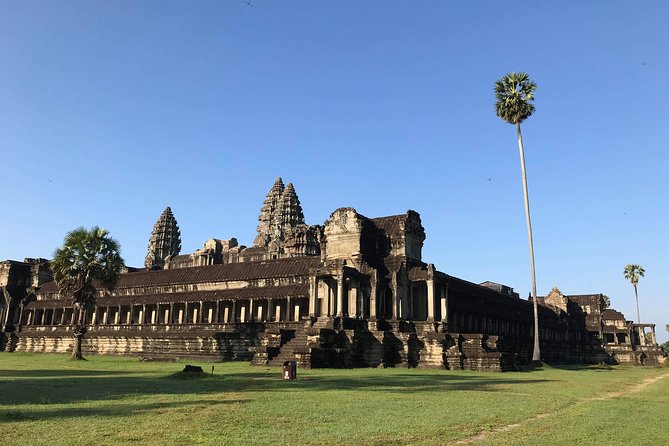
After breakfast, the vehicle takes you back to Angkor Wat. This second visit lasts about two hours and is the most useful part for anyone who wants more than a sunrise photograph.
Now you can focus on the temple’s layout, galleries, towers, and carved scenes. The guide explains what you are looking at, along with the religious and cultural ideas behind the artwork. That support matters because the complex can otherwise feel overwhelming. You see a lot of stone, but it takes context to understand why the spaces are arranged as they are.
The vehicle handles the short distances between temple sites, but you still need to walk inside the monuments. The tour is not a drive-by sightseeing loop. Wear shoes that can manage uneven ground, and do not expect much shade in every section.
One useful feature is the private pace. If your group wants to spend longer on carvings, you can ask questions without holding up a full coach. The experience may be especially good for first-time visitors who want a clear introduction rather than a silent temple circuit.
Angkor Thom and Bayon’s stone faces
The tour then moves to Angkor Thom, the ancient city complex that includes Bayon, the Terrace of the Elephants, and the Terrace of the Leper King. The scheduled visit lasts about an hour.
Bayon is the visual centerpiece. Its towers carry large carved faces, giving the temple a distinctive appearance unlike Angkor Wat. Your guide can help you make sense of the crowded design and explain the role of the monument within Angkor Thom.
The Terrace of the Elephants and Terrace of the Leper King add a different kind of interest. Instead of focusing only on towers and sanctuaries, you see long carved platforms linked to the ceremonial city. This is a good place to pay attention to details at eye level, not just the famous faces above you.
An hour is enough for a focused introduction, but it is not a leisurely study of every corner. If you enjoy archaeology and close inspection, you may wish the schedule were longer. The benefit is that you still have time for Ta Prohm without turning the whole day into a marathon.
Ta Prohm, the temple under the trees
Ta Prohm is the final major temple stop and the one many people recognize from the film Tomb Raider. Its fame comes from the combination of galleries, towers, roots, and partially restored stonework.
The trees are a major part of the setting, but do not reduce Ta Prohm to a movie backdrop. The temple shows how nature, time, and conservation shape the way Angkor is seen today. You can look for carved details in the walls while your guide explains the site’s original purpose and later condition.
The scheduled visit is about an hour. That gives you enough time for the main paths and photographs, though the site can feel short if you want to stop at every doorway. Follow the marked routes and do not climb the monuments. These structures are ancient religious sites, not viewing platforms.
Ta Prohm is also a fitting final stop because its mood differs from Angkor Wat and Bayon. Angkor Wat feels ordered and monumental. Bayon feels crowded with carved faces. Ta Prohm feels enclosed and atmospheric. Together, the three sites give you a useful first picture of Angkor’s range.
Transport, guide quality, and pace
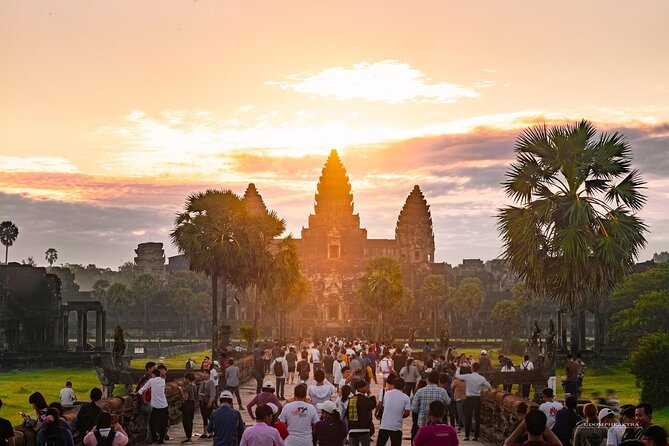
Private transport is one of the strongest practical features. You are collected and returned to your hotel, and the vehicle is air-conditioned. Between the temples, you can cool off instead of walking long exposed distances.
Bottled water and cold towels sound small, but they matter during a hot temple morning. You should still bring sun protection and insect repellent, since the tour operates in all weather.
The guide is central to the value. The experience has featured guides named Sayoeun and Soaly, both praised for being personable, patient, professional, and strong on temple architecture and history. Guide assignments can change, so treat those names as examples rather than a promise that one of them will lead your tour.
The best guide experience here is not just a list of dates. You want someone who explains what you are seeing in plain terms, answers questions, and gives you time to look. The private format makes that possible, provided you speak up about your interests and walking pace.
What the $23 price really covers
At $23, the base price is attractive for a private seven-hour outing. You receive hotel pickup and drop-off, an English-speaking guide, private air-conditioned transport, bottled water, and cold towels.
The number becomes less simple once you add the park pass. Temple admission is separate, and breakfast is also optional. If you want lunch or an Apsara show, the total rises again.
I would compare this tour with the cost and effort of arranging a driver and guide separately. The value is strongest if you want one booking to handle transport, guiding, and the main temple route. It is less compelling if you already have a vehicle and only need entry tickets.
The tour suits couples, families, and small groups who want a private morning without paying for a full luxury service. Group discounts may improve the value if several people share the booking. Solo visitors should look closely at the final total, since the private format may cost more per person after admission and meals.
Who should book this morning
Book it if you are visiting Angkor for the first time and want the essential sites in one organized outing. It also suits you if you want a guide to explain Khmer art, architecture, culture, and religion rather than simply provide transport.
The schedule is a good fit for early risers who can handle a 5:00 am pickup. It is less suitable if you dislike dawn starts, need a slow morning, or want to explore a small temple in great detail.
Families may appreciate the private vehicle and the ability to return to the hotel after the tour. People with limited walking stamina should ask questions before booking, since the temples require walking and the tour does not promise special accessibility arrangements.
Dress respectfully, protect yourself from the sun, and plan for changing weather. The tour runs in all conditions, so bring suitable clothing even if the forecast looks promising.
Should you book the Private Angkor Sunrise Guided Tour?
I would book this tour if your priorities are the three major Angkor sites, a private guide, hotel transfers, and a low starting price. Sayoeun and Soaly are names associated with the warm, patient guiding style this experience aims for, though your assigned guide may differ.
Before paying, confirm the current temple admission price and decide if you want breakfast. If you want a slower visit, more remote temples, or a guaranteed sunrise, choose a different plan. If you want a focused first look at Angkor with the hard logistics handled, this is a practical choice.
FAQ
What time does the tour start?
Pickup begins at 5:00 am from your hotel or arranged pickup point.
How long does the tour last?
The experience lasts approximately seven hours and returns you to your pickup point afterward.
Which temples are included?
The route includes Angkor Wat, Angkor Thom with Bayon, the Terrace of the Elephants and Terrace of the Leper King, and Ta Prohm.
Is breakfast included?
Breakfast is not included in the basic tour price. An upgrade is available for a four-course breakfast, and additional packages can include lunch or an Apsara show.
Are Angkor entrance fees included?
No. Temple admission is paid separately. The supplied details list a one-day pass at $37 and a three-day pass at $62, so confirm the current fee when booking.
Can I cancel for a full refund?
Yes. You can cancel at least 24 hours before the local start time for a full refund. Cancellations or changes made within 24 hours are not refunded or accepted.
Just added around Siem Reap
- Ultimate Sunrise to Angkor Wat, Angkor Thom and Bayon Temple★ 5.0 · 3 reviews
- Full-Day Private Tour of Angkor Wat with Pick Up★ 5.0 · 12 reviews
- Trekking Tour at Phnom Kulen National Park from Siem Reap★ 5.0 · 3 reviews
- Twilight Tastes of Siem Reap Include Dinner★ 5.0 · 13 reviews
- Siem Reap City Tour with War Museum and Killing Field★ 5.0 · 27 reviews
- Private Day Trip to Angkor Temples with Expert Guide★ 5.0 · 4 reviews
- Waterfall & River of 1000 Siva Linga- Kulen Mountain Private Tour★ 5.0 · 3 reviews
- Private Two Days Siem Reap Temples Discovery Guided Tour★ 5.0 · 7 reviews
Angkor Wat Sunrise Tours, compared.
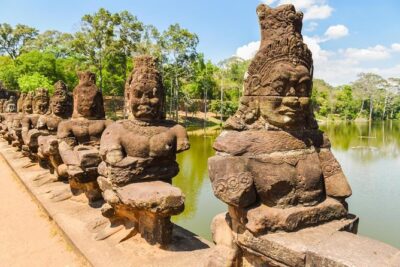
Angkor Wat Sunrise or Sunset Tour with Guide from Siem Reap
Read our review →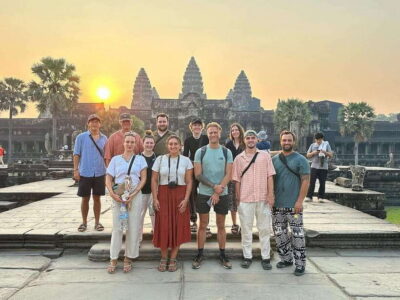
Angkor Wat: Small-Group Sunrise or Sunset Tour
Read our review →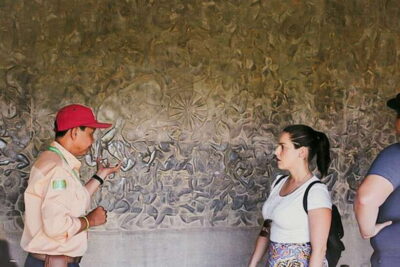
Angkor Wat 2-Day Tour with Sunrise and Sunset
Read our review →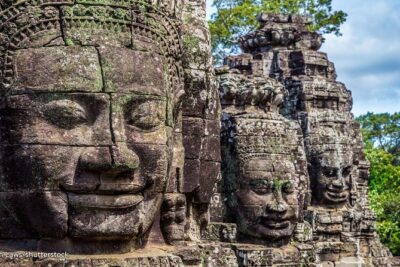
Angkor Wat Sunrise tour with Small – Group and Guide tours
Read our review →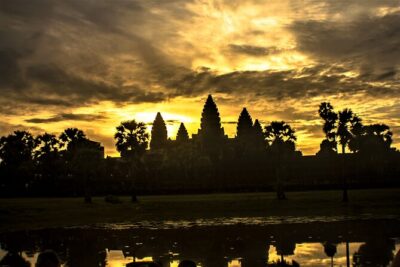
Angkor Wat Highlights and Sunrise Guided Tour from Siem Reap
Read our review →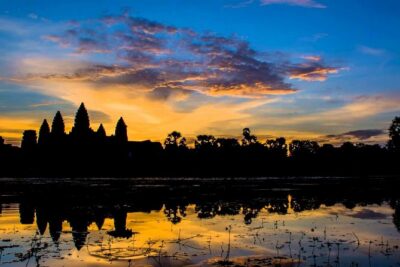
Full-Day Angkor Wat Sunrise Private Tour with Guide from Siem Reap
Read our review →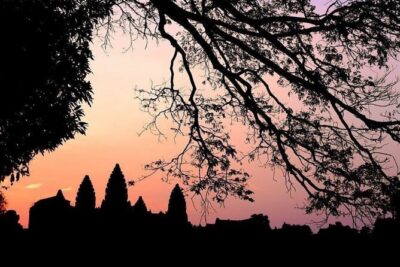
Angkor Wat Sunrise & 3 Main Temples with Breakfast – Small Group
Read our review →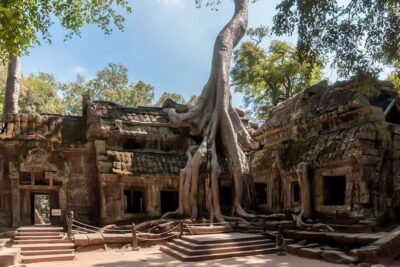
Angkor Wat Sunrise and Full-Day Sightseeing Tour
Read our review →Browse the lists this tour appears in