
Reviewed · MULTI-DAY CAMBODIA TOURS FROM SIEM REAP
5-Day ‘All The Sights’ Tour
Angkor Wat is only the beginning here. This five-day private tour moves from the famous temples to remote ruins, mountain waterfalls, a stilt village on Tonle Sap, and Siem Reap’s markets. You get your own guide and vehicle, so the pace can suit your group better than a large coach tour.
I like the wide range of sights, especially the chance to pair Bayon and Ta Prohm with far-flung Koh Ker and Beng Mealea. I also like the practical touches: hotel pickup, cold towels, bottled water, and a motorized boat at Kompong Phluk. The main drawback is the demanding schedule, with long drives and plenty of walking. Day four, in particular, asks a lot of you.
Key points to know
- Five private days: Only your group travels with the guide and driver.
- Angkor pass needed: A three-day pass costs USD 62 per person, and a seven-day pass costs USD 72.
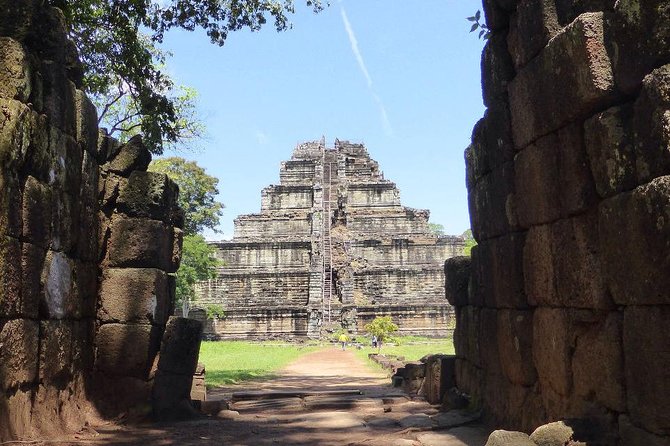
- Far beyond Angkor: The route includes Phnom Kulen, Koh Ker, Beng Mealea, and Preah Vihear.
- Kompong Phluk by boat: A motorized boat ride takes you among the Tonle Sap stilt houses.
- Useful personal service: Guides Choup and drivers such as Mr Bean received special praise for clear English, safe driving, water, and cold towels.
- Extra costs add up: Meals, drinks, Angkor admission, and the Koh Ker and Beng Mealea fees are not included.
Five days that show you more than Angkor Wat
Many Siem Reap visits stop after the standard Angkor circuit. This tour goes much farther. You see the great temples, but you also reach Phnom Kulen’s waterfall, Banteay Srei’s fine carvings, remote Koh Ker, the ruined corridors of Beng Mealea, and the floating village of Kompong Phluk.
That range is the tour’s biggest strength. You get a better sense of Cambodia’s ancient cities and present-day life instead of spending every day among the same temple crowds. The private format also matters. You are not tied to a large group, and your guide can offer suggestions about the order of stops and daily pace.
The price is listed at $309, but treat that as the tour service rather than the full cost of the trip. A three-day Angkor pass is extra, along with the USD 10 Koh Ker fee and USD 5 Beng Mealea fee. Food, soft drinks, alcohol, and any Phnom Kulen admission are also outside the price.
For one person, the total may feel high once extras are added. For a couple, family, or group sharing a private vehicle and guide, the value is easier to see. Group discounts are offered, though the exact terms are not stated.
More multi-day trips from Siem Reap:
- Siem Reap: Angkor Wat 2-Day Tour with Sunrise and Sunset
★ 4.9 · 4,429 reviews - Angkor 2-Day Sunset & Sunrise Small-Group Tour
★ 5.0 · 2,567 reviews - 2 Days Exclusive Temple Highlights with Sunset and Sunrise Tour
★ 5.0 · 1,157 reviews
Day one: Bayon faces, jungle roots, and Angkor Wat
The first morning begins with a stop at the Angkor Enterprise ticket office. Plan to buy your temple pass before entering the park. The three-day pass is USD 62 per person, while the seven-day pass is USD 72. Since the itinerary returns to Angkor on later days, the three-day option is the natural fit for many people, but the longer pass may make sense if you plan extra temple visits on your own.
Bayon is the first major temple. Its famous stone faces give the central sanctuary a human feel, while the carved galleries show scenes of battles, ceremonies, and daily life. Give yourself time here. The layout can be confusing, and a private guide is useful for pointing out details that are easy to miss.
Nearby Baphuon has a different character. This tall temple mountain once honored Shiva and rises in tiers above the surrounding grounds. You will climb steps and walk over uneven surfaces, so sturdy shoes help. It is less instantly familiar than Bayon, but the upward view and structure make it a worthwhile stop.
Ta Prohm brings the famous combination of stone and tree roots. Originally called Rajavihara, it was built in the late 12th or early 13th century. The ruined galleries and giant roots create the most atmospheric stop of the morning, though the site can feel crowded around its best-known views.
The Terrace of the Elephants gives you a short break from enclosed temple passages. It formed part of the eastern edge of the royal grounds and faced the parade area. The carved elephants are the obvious feature, but the larger value is spatial: you begin to understand how Angkor Thom functioned as a royal city rather than a collection of isolated monuments.
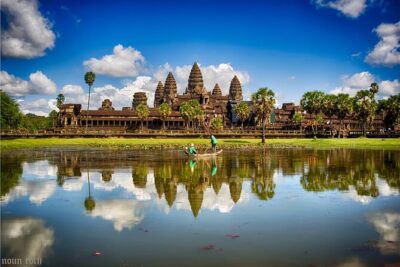
After lunch, the route reaches Angkor Wat. This is the day’s main event, and rightly so. The temple’s long galleries, towers, bas-reliefs, and broad approach reward slow walking. The schedule gives Angkor Wat a very long block of time, but you should still ask your guide how that time is being used, since the published timing appears unusually generous.
The day ends at Phnom Bakheng, an old temple mountain dedicated to Shiva. It sits on a hill and is known for views near sunset. This is another uphill walk, and access may be controlled when the site is busy. The combination of heat, stairs, and a full day of temples can make this final stop tiring, so you may prefer to treat it as optional if your energy is fading.
Day two: Phnom Kulen and the finest carvings at Banteay Srei
Day two changes the mood. Instead of staying close to the central Angkor monuments, you head toward Phnom Kulen, with a stop at the River of 1000 Lingas. Carved symbols in the riverbed connect the water with Hindu religious traditions, making this a short but meaningful pause before the mountain.
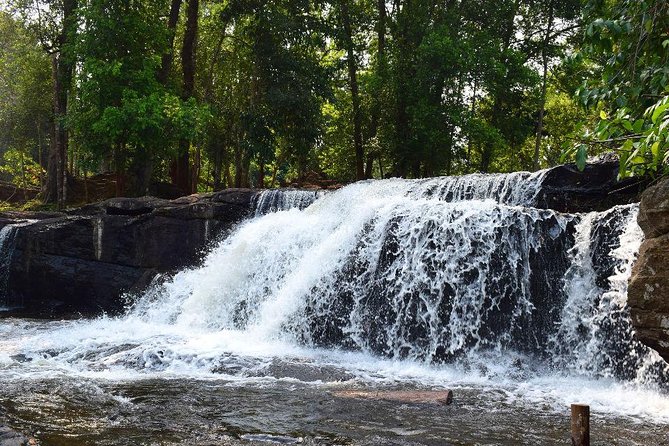
Phnom Kulen National Park is the day’s main attraction. The schedule includes time at a waterfall for swimming, followed by a walk to a pagoda and reclining Buddha. A water blessing may sometimes be available. Bring swimwear if you want to use the waterfall, and remember that the program also includes walking on the mountain.
A local lunch is included in the day’s flow, but meals are not part of the tour price, so budget separately. The mountain section takes several hours and is not just a quick photo stop. The tour information specifically says it is not suited to people with below-average fitness or those who cannot walk normally.
Banteay Srei is one of the rewards for making the trip north. This 10th-century temple is smaller than Angkor Wat, but its sandstone carvings are remarkably detailed. Shiva was the temple’s main deity, and the fine decoration gives the site a different scale and feel from the massive state temples.
Banteay Samre follows. Built in the early 12th century in the Angkor Wat style, it is a more compact Hindu temple near the East Baray. It often feels like a useful middle ground between the intimate detail of Banteay Srei and the grand size of the main Angkor monuments.
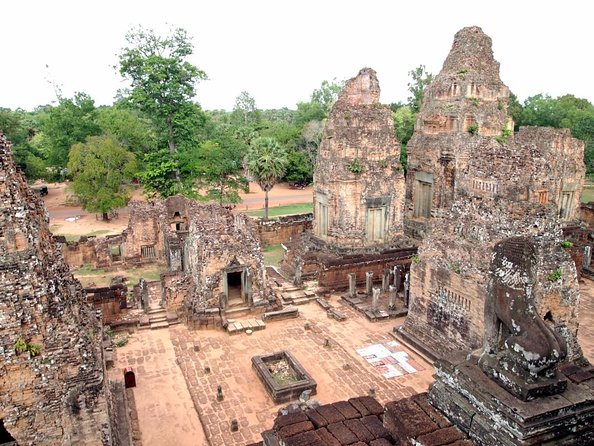
The final stop is Pre Rup, a brick, laterite, and sandstone temple mountain built as a state temple in the 10th century. Its stepped form makes it a good place to read the basic design of Khmer temple mountains. By this point, though, you will have spent many hours on the road and on foot, so the day is best for people who prefer seeing a lot rather than taking a leisurely pace.
Day three: Sunrise, quieter temples, and a second look at Ta Prohm
The early start at Angkor Wat is one of the tour’s most appealing features. You return to see sunrise, then go back to the hotel for breakfast. This split morning is practical because you do not have to carry breakfast around the temple grounds, but sunrise starts can still be tiring after two full days.
A second visit to Angkor Wat can be more rewarding than a single rushed stop. The light changes, and you may notice galleries or carvings that were lost in the first visit. Your guide can also help you focus on areas you missed rather than simply repeating the previous route.
After breakfast, the tour groups together several temples: Preah Khan, Neak Poan, Ta Som, and East Mebon. Preah Khan is a large complex with long corridors and carved doorways. Neak Poan is smaller and unusual, built around a central island and water system. Ta Som has a quieter, overgrown feel, while East Mebon offers another chance to see a temple mountain design.
These sites work well together because they show different planning ideas from the Khmer period. You are not just ticking off names. You can compare a sprawling monastic complex, a water-centered sanctuary, a compact ruin, and a temple built on an artificial island.
After lunch, you return to Ta Prohm and continue to Ta Nei. The repeat visit to Ta Prohm may appeal to photographers and temple fans, but it could feel unnecessary if you prefer fresh sights each day. Ta Nei is less famous and gives the schedule a more secluded stop.
Banteay Kdei closes the day. Its name means Citadel of Chambers, and the temple was built as a Buddhist complex in the mid-12th to early 13th centuries. It is a good final stop because its galleries and chambers encourage slower exploration. Three days of Angkor is a lot, but this arrangement gives you both headline monuments and smaller sites.
A different sort of day out around Siem Reap:
- Angkor Wat Sunrise or Sunset Tour with Guide from Siem Reap
★ 5.0 · 12,109 reviews - Siem Reap: Angkor Wat: Small-Group Sunrise or Sunset Tour
★ 5.0 · 9,444 reviews - From Siem Reap: Kampong Phluk Floating Village Tour by Boat
★ 4.9 · 6,979 reviews - Sunset tour of Kampong Phluk stilts home village on the Tonle Sap
★ 5.0 · 4,865 reviews
Day four: The long road to Koh Ker, Beng Mealea, and Preah Vihear

This is the tour’s most ambitious day. Koh Ker is about 120 kilometers from Siem Reap, and the schedule allows six hours for the stop. The site lies in a sparsely populated, jungle-filled area and once served as a major Khmer center. Its remote setting is the point: you exchange the central Angkor circuit for a more isolated archaeological experience.
Koh Ker requires a separate USD 10 pass per person. Add that to the driving time, and you should be clear about what you want from this day. If remote ruins are high on your list, the effort may be worthwhile. If you mainly want relaxed temple visits, this will feel too hard-packed.
After lunch, the route continues to Beng Mealea, about 40 kilometers east of the main Angkor group. This temple dates from the Angkor Wat period and once connected with the ancient royal road toward Preah Khan Kompong Svay. Broken galleries, fallen stones, and vegetation give it a rawer appearance than the restored or more organized central sites.
Beng Mealea costs USD 5 per person, separate from the tour price. Watch your footing here. The ruined setting can be part of the appeal, but it also means uneven ground and less straightforward walking.
The day also includes Preah Vihear, an ancient Hindu temple high on a 525-meter cliff in the Dangrek Mountains. The published schedule gives this stop 90 minutes. That sounds brief for such a distant site, and the combination of Koh Ker, Beng Mealea, and Preah Vihear makes day four the part of the program I would clarify most carefully before booking.
Ask the operator how the transport sequence works and whether all three places are intended on the same day. The supplied schedule presents them together, but the distances and time allowances deserve a direct check. This is not a small side trip from Siem Reap.
Day five: Tonle Sap stilt houses and Siem Reap shopping
The final day shifts from temples to daily life. At Kompong Phluk, villages sit largely on tall stilts along Tonle Sap. The community depends heavily on fishing, and the seasonal water changes the setting between the wet and dry parts of the year.
A motorized boat ride is included. You cruise among the stilt houses and see a side of the Siem Reap area that stone temples cannot show. Allow about four hours for the visit, including the boat portion. This is a better choice for you if you want the tour to include local communities and water life, not just monuments.
Kompong Phluk is not a theme park version of Cambodia. It is a working community, so treat the visit with respect and follow your guide’s instructions about photography and conduct. The tour information does not promise a specific water level or a particular village activity, so expect the setting to vary with the season.
On the way back, the program visits Phsar Leu, Phsar Chas, and Artisans d’Angkor. Phsar Leu is known as the top market, while Phsar Chas is the old market. This gives you several places to browse for food, crafts, and souvenirs, though purchases are your own expense.
Artisans d’Angkor adds a more organized craft stop to the market visits. The three-hour shopping portion may suit you if you want time to compare Cambodian goods, but it may feel long if shopping is not a priority. Tell your guide if you would rather spend more time at the village or finish the day early.
What the private format really adds
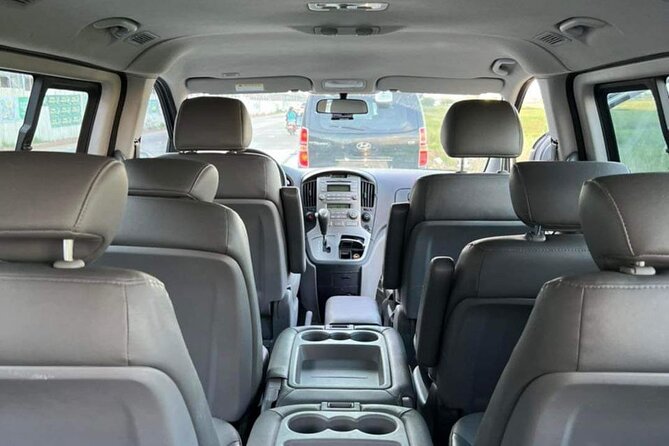
The private setup is more than a label. Only your group takes part, and the guide and driver handle the route from hotel to hotel. That removes the need to arrange separate transport for places spread across a wide area.
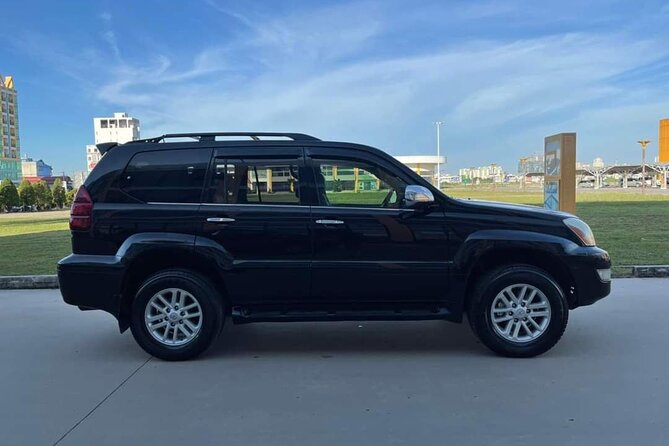
The human service also gets good emphasis. Guide Choup is singled out for clear English and strong knowledge of the sites. A driver named Mr Bean is praised for careful driving and staying attentive throughout the day. Those details matter on long road days, when safe driving and a cool vehicle make a real difference.
Bottled water and cold towels are included. They are small items, but after walking around sun-exposed temple grounds, they are genuinely useful. Hotel pickup and drop-off are also included, with the vehicle scheduled to leave your hotel at the stated 8:30 a.m. start time.
The tradeoff is that private tours can move only as fast as the people in your group. A fit couple may cover more ground comfortably than a family with young children. Children under three are not accepted, and most people can participate, but normal walking ability is needed.
Practical costs and booking advice
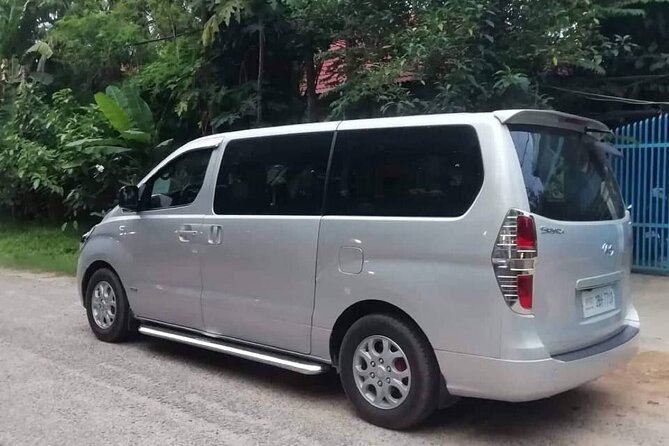
The five-day price covers the guide, transport, hotel transfers, water, cold towels, and the Kompong Phluk boat fee. It does not cover Angkor passes, Koh Ker, Beng Mealea, meals, soft drinks, or alcohol.
At minimum, add USD 62 per person for a three-day Angkor pass, USD 10 for Koh Ker, and USD 5 for Beng Mealea. That is USD 77 per person before food, drinks, and any other admission charge. A seven-day Angkor pass is USD 72, which could be useful if you want more temple time beyond this schedule.
The tour starts at 8:30 a.m., but several days effectively begin earlier or run long. Day three includes sunrise, while day four includes the longest drives. Wear shoes that handle uneven paths, bring suitable clothing for temple visits, and save energy for the mountain and waterfall sections.
Free cancellation is available if you cancel at least 24 hours before the local start time. Changes or cancellations inside that window are not refunded.
Should you book the 5-Day All The Sights Tour?
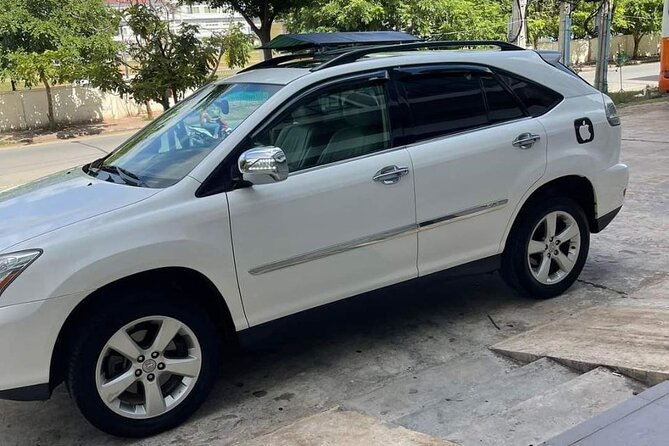
Book it if you want maximum coverage, a private guide, and the freedom to see remote sites without arranging several separate trips. It is especially well suited to couples, families with older children, and small groups who want Angkor plus mountains, villages, markets, and distant ruins.
Think twice if you want slow mornings, short drives, or a relaxed temple holiday. Day four needs clarification before payment, and the extra admissions make the final cost higher than $309.
For the right group, the tour offers a strong five-day introduction to Siem Reap and the wider region. Ask specifically about the Koh Ker, Beng Mealea, and Preah Vihear schedule, then book if the long-road days sound like part of the adventure rather than an inconvenience.
FAQ
Is the tour private?
Yes. Only your group takes part, with a professional English-speaking guide and driver.
What time does the tour start?
The stated start time is 8:30 a.m., and the vehicle departs from your hotel at the tour start time. Day three includes an earlier sunrise visit to Angkor Wat.
Are Angkor temple passes included?
No. You must buy an Angkor pass separately. A three-day pass costs USD 62 per person, and a seven-day pass costs USD 72.
What extra temple fees are listed?
Koh Ker costs USD 10 per person, and Beng Mealea costs USD 5 per person. Both are separate from the tour price.
Is the Kompong Phluk boat ride included?
Yes. The fee for the motorized boat is included, along with hotel transfers, bottled water, and cold towels.
Can I cancel for a full refund?
Yes, if you cancel at least 24 hours before the experience start time. Cancellations or changes made less than 24 hours before the start are not refunded.
Just added around Siem Reap
- Ultimate Sunrise to Angkor Wat, Angkor Thom and Bayon Temple★ 5.0 · 3 reviews
- Full-Day Private Tour of Angkor Wat with Pick Up★ 5.0 · 12 reviews
- Trekking Tour at Phnom Kulen National Park from Siem Reap★ 5.0 · 3 reviews
- Twilight Tastes of Siem Reap Include Dinner★ 5.0 · 13 reviews
- Siem Reap City Tour with War Museum and Killing Field★ 5.0 · 27 reviews
- Private Day Trip to Angkor Temples with Expert Guide★ 5.0 · 4 reviews
- Waterfall & River of 1000 Siva Linga- Kulen Mountain Private Tour★ 5.0 · 3 reviews
- Private Two Days Siem Reap Temples Discovery Guided Tour★ 5.0 · 7 reviews
Multi-Day Cambodia Tours from Siem Reap, compared.
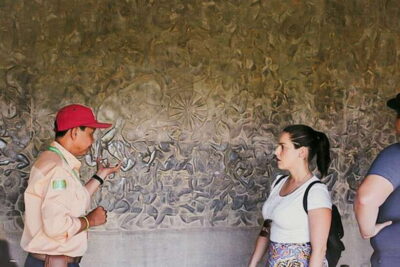
Angkor Wat 2-Day Tour with Sunrise and Sunset
Read our review →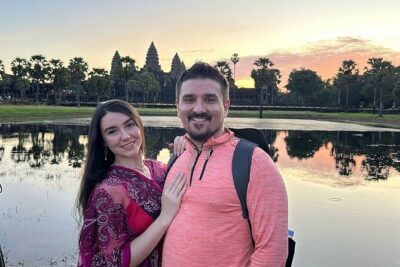
Angkor 2-Day Sunset & Sunrise Small-Group Tour
Read our review →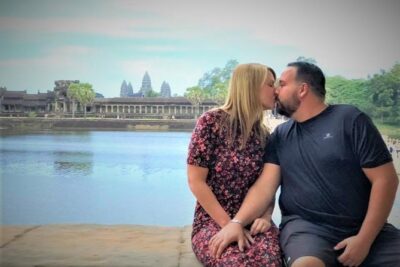
2 Days Exclusive Temple Highlights with Sunset and Sunrise Tour
Read our review →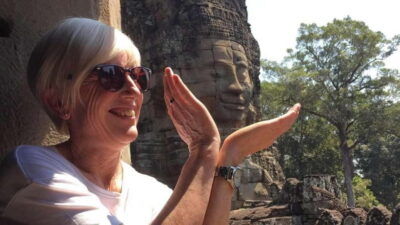
Angkor Sunrise 1- or 2-Day Guided Temples Tour
Read our review →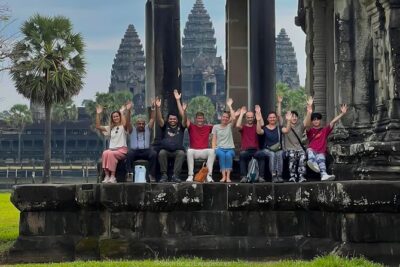
2-Day Angkor Wat With Small, Big Circuit and Banteay Srei Tour
Read our review →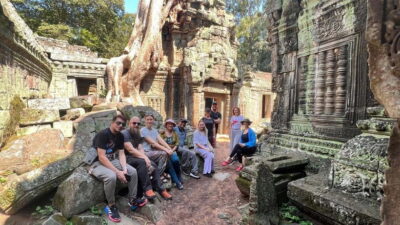
2-Day Temple Highlights Sunrise and Sunset Option
Read our review →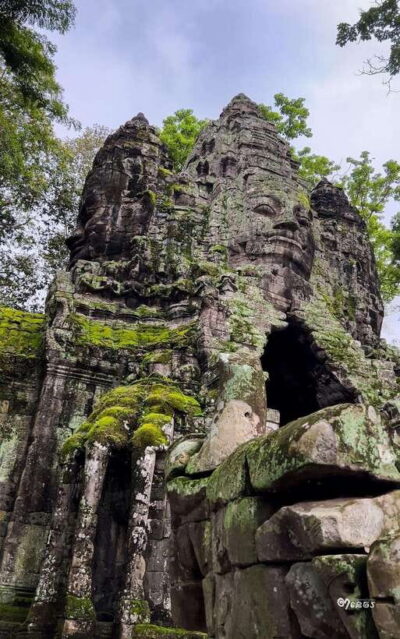
Angkor Wat 2-Day complex Sun rise & Sun set with Guided Tour
Read our review →Browse the lists this tour appears in