
Reviewed · SIEM REAP TUK TUK TOURS
Angkor National Museum Ticket with Tuk-Tuk Pick-Up
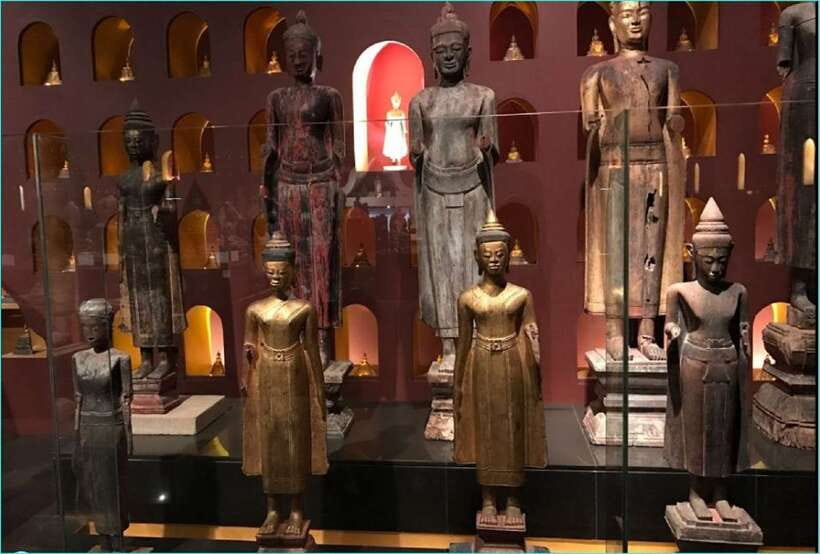
The most useful thing about this experience is that it gives you the story behind Angkor before you face the temple ruins. Inside, eight chronological galleries trace Khmer civilization from its early beginnings to its highest point, with the famous gallery of 1,000 Buddha statues offering a quiet visual centerpiece. I like the included tuk-tuk pickup and the clear museum map, which make this a simple two-hour cultural stop in Siem Reap.
I also like the timing. You can visit before Angkor Wat and Angkor Thom to recognize the religious ideas and architectural forms at the temples, or go afterward to make better sense of what you have already seen. The main drawback is that the audio guide is not included, and the tuk-tuk ride is one way only, so you need to arrange your return.
Key points to know
- Eight galleries follow a chronological story: You move from the origins of Khmer civilization toward its peak rather than seeing unrelated objects in random rooms.
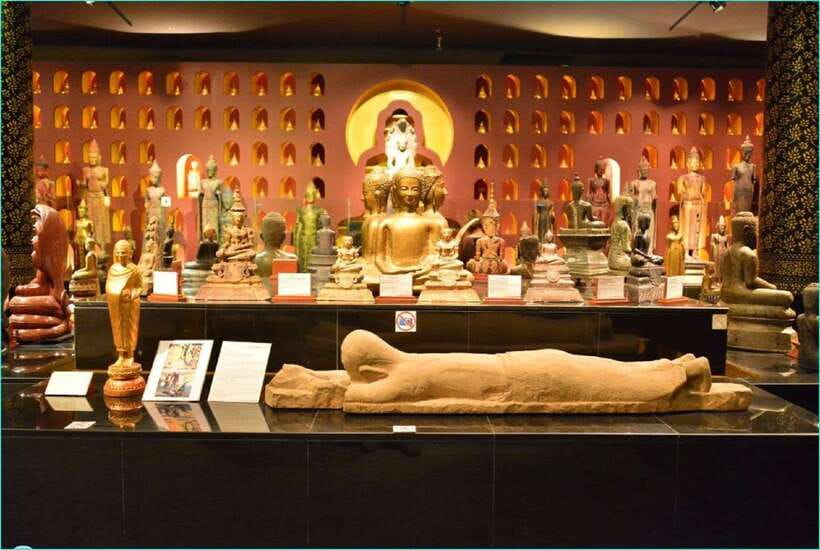
- The 1,000 Buddha gallery is the visual highlight: It offers a memorable look at Buddhist devotion and Khmer artistic tradition.
- The museum helps decode Angkor: Its displays explain customs, religious beliefs, and architecture connected with the Angkor Wat and Angkor Thom eras.
- One-way tuk-tuk pickup keeps the arrival easy: Give the provider your hotel name, location, and a reachable phone number.
- The $26 price includes admission and transport to the museum: It does not include the audio guide, return transport, or personal expenses.
- Two hours is enough for a useful visit: You can see the main galleries, but a slower visit may require more time.
Why the Angkor National Museum belongs in your Siem Reap plan
Angkor is easier to appreciate when you know what you are looking at. The temple ruins can feel grand but puzzling: a carved figure may represent a god, a king, or a Buddhist ideal, while a tower or gallery may have a religious meaning that is not obvious at first glance.
The Angkor National Museum gives you that missing background. It presents Khmer art, belief, customs, and architecture in a sequence that builds from one gallery to the next. You are not simply looking at old objects. You are following the development of a civilization and seeing how religion shaped its buildings and sculpture.
I would place this visit before your main temple sightseeing if possible. One confirmed booking note described the museum as most helpful before seeing the Angkor temples, and that is sensible advice. After two hours here, you should recognize more of the symbols and architectural ideas at Angkor Wat, Angkor Thom, and related sites.
Visiting afterward also works. If you have already spent a day among the temples, the museum can help organize what you saw. It gives names and context to details that may have passed quickly during a hot, busy day outdoors.
More museum and attraction tickets in Siem Reap:
- Full Day Pass Angkor Wildlife and Aquarium – Siem Reap
★ 5.0 · 138 reviews - Angkor Eye Standard Ride Ticket
★ 5.0 · 26 reviews - Private Tour: HERO Rats & Angkor National Museum
★ 4.5 · 16 reviews
Arriving by tuk-tuk from your hotel
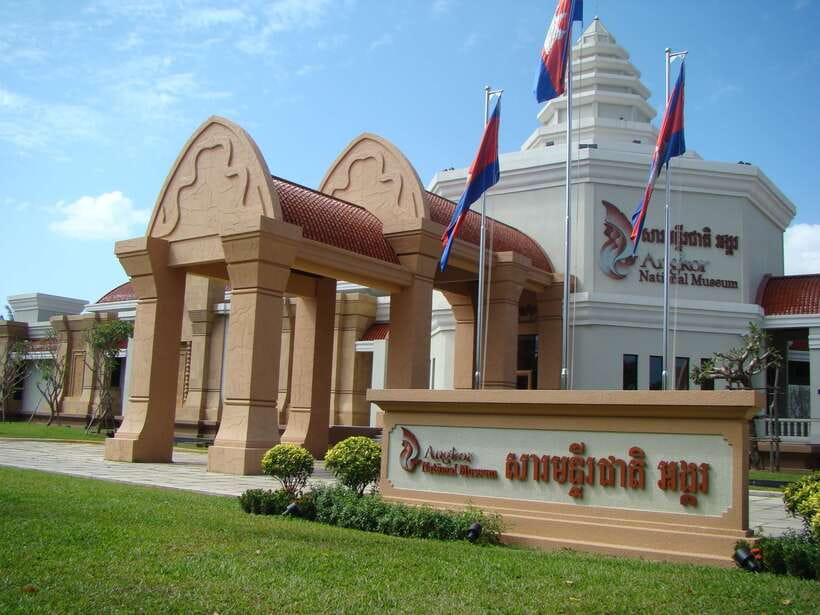
The package includes one-way pickup from your hotel or accommodation in Siem Reap. A driver collects you by tuk-tuk and takes you to the museum, which is useful if you do not want to arrange a separate ride for a short cultural visit.
The pickup system depends on accurate information. Provide your hotel name or location when booking, along with a phone number that can be reached. You should wait in your accommodation lobby for the driver, and you should contact the provider with your planned visiting time before heading to the museum.
This is not a round-trip transport service. The included ride gets you there, but your return is not listed as part of the package. You may need to arrange another tuk-tuk afterward, so keep that small extra step in mind when judging the $26 price.
The driver service is listed as English-language. That makes basic pickup communication easier, but this should not be confused with a personal museum guide. The museum provides a map for exploring the galleries, while an audio guide is a separate expense.
Eight galleries that build the Khmer story
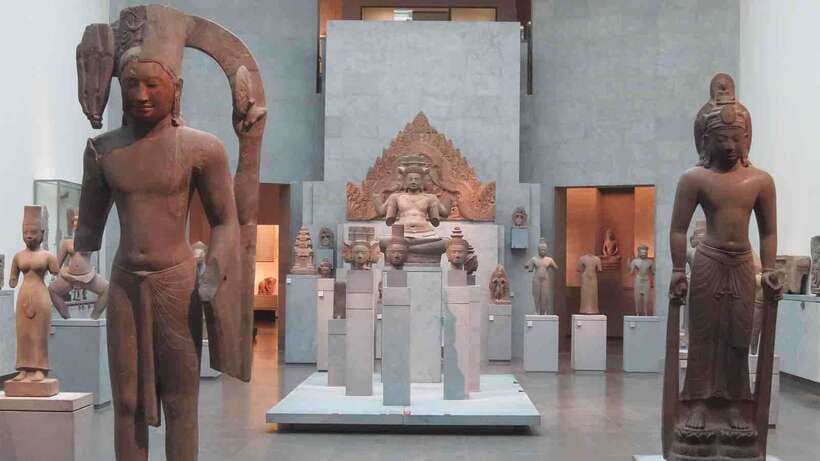
The museum divides its artifacts into eight chronological galleries. That structure is important because it gives your visit a clear direction. Instead of jumping from an early religious statue to a later architectural piece, you can follow changes over time.
The displays are enhanced by realistic settings intended to support the story. I would treat these as atmosphere rather than a substitute for the temple sites themselves. The museum cannot reproduce the scale, weather, or setting of Angkor, but it can put objects and ideas in a more understandable order.
The early galleries introduce the origins of Khmer civilization. You can use this part of the visit to think about how the region developed before reaching the familiar temple-building periods. The displays help connect the later monuments with the beliefs and customs that came before them.
As you continue, the material moves toward the great eras associated with Angkor Wat and Angkor Thom. This is where the museum becomes especially useful for temple sightseeing. Architectural forms that can seem abstract in a ruin become easier to recognize once you have seen related examples presented indoors.
The chronological approach also helps you notice that Khmer civilization was not a single frozen period. Ideas, artistic styles, and religious practices changed over time. Two hours will not cover every detail, but it gives you a sensible framework for seeing those changes.
The 1,000 Buddha statues gallery
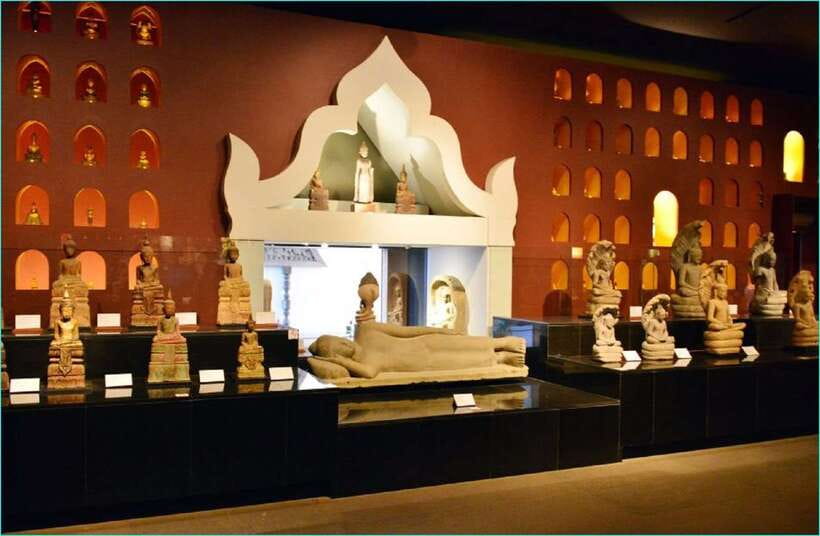
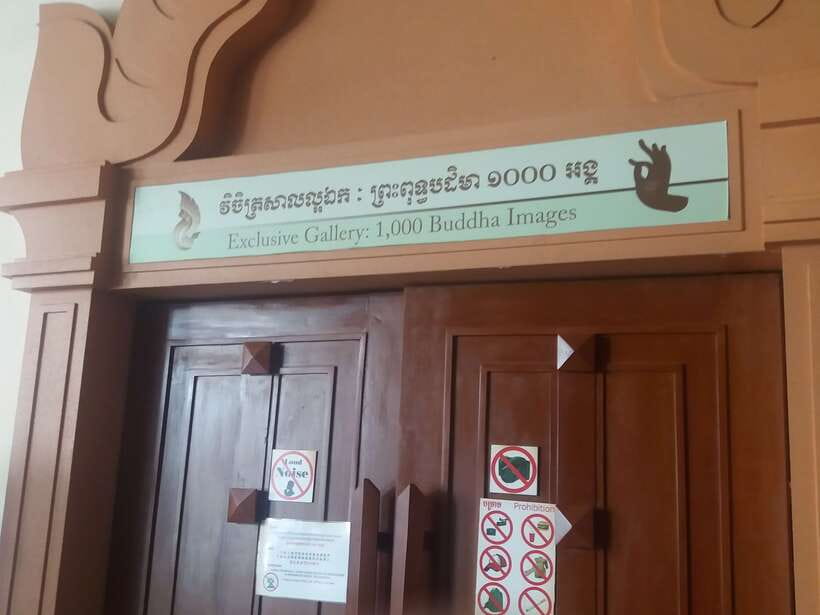
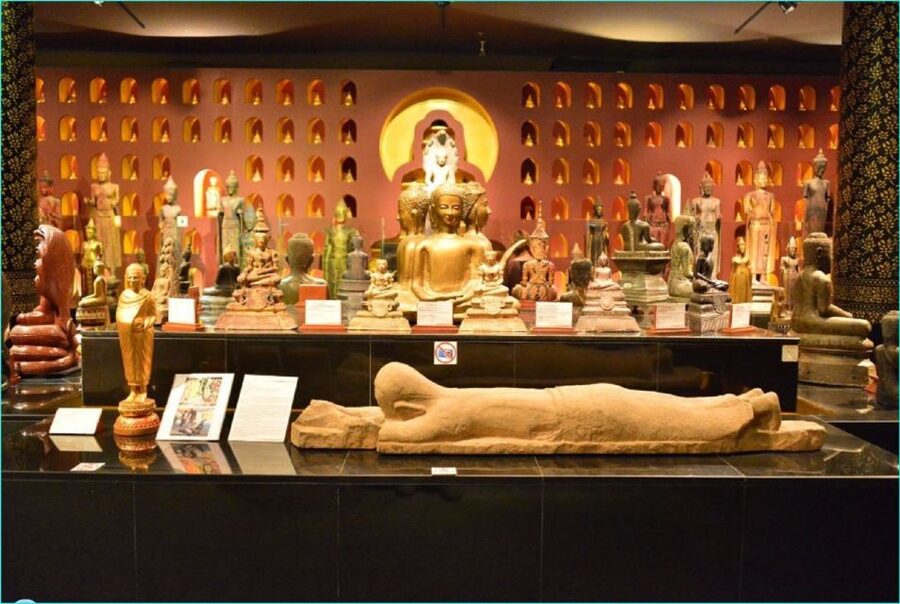
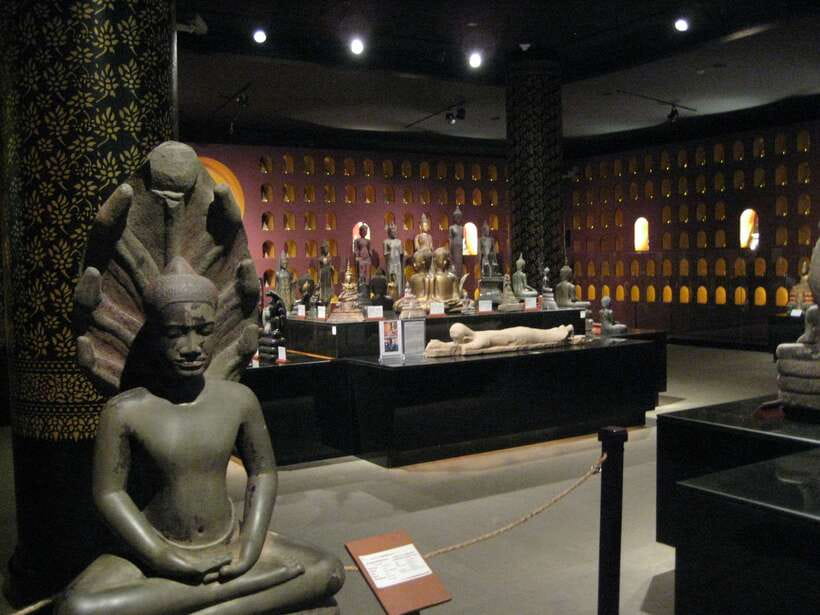
The gallery of 1,000 Buddha statues is the museum’s clearest visual draw. A large grouping of Buddha images can show the range of poses, forms, and artistic choices more effectively than one isolated statue.
This room also gives you a direct connection to Khmer religious life. The museum’s broader story covers different beliefs and ancient customs, and the Buddha gallery makes those themes visible in a concentrated way.
Allow yourself time here rather than treating it as a quick photo stop. The appeal is not only the number of statues. Look at how similar religious subjects can be represented in different ways. The repeated images make the gallery feel calm and focused, even within a museum visit that covers a great deal of material.
If Buddhism is new to you, the audio guide may be worth considering. It is not part of the $26 package, but one confirmed booking experience specifically found that using the audio guide added understanding and noted that German was available. Without it, you can still use the map and read the displays, but you may get less explanation about individual objects.
More tuk tuk tours in Siem Reap:
- Siem Reap: Angkor Wat Private Tuk-Tuk Tour
★ 4.9 · 2,222 reviews - Siem Reap Countryside Bike Tour / E-Bike or Tuk Tuk
★ 5.0 · 935 reviews - Angkor Sunrise Bike Tour / E-Bike or Tuk Tuk
★ 5.0 · 615 reviews - Angkor Wat Private Tuk-Tuk Tour (sunrise Option) & more
★ 5.0 · 439 reviews
Understanding Angkor Wat and Angkor Thom indoors
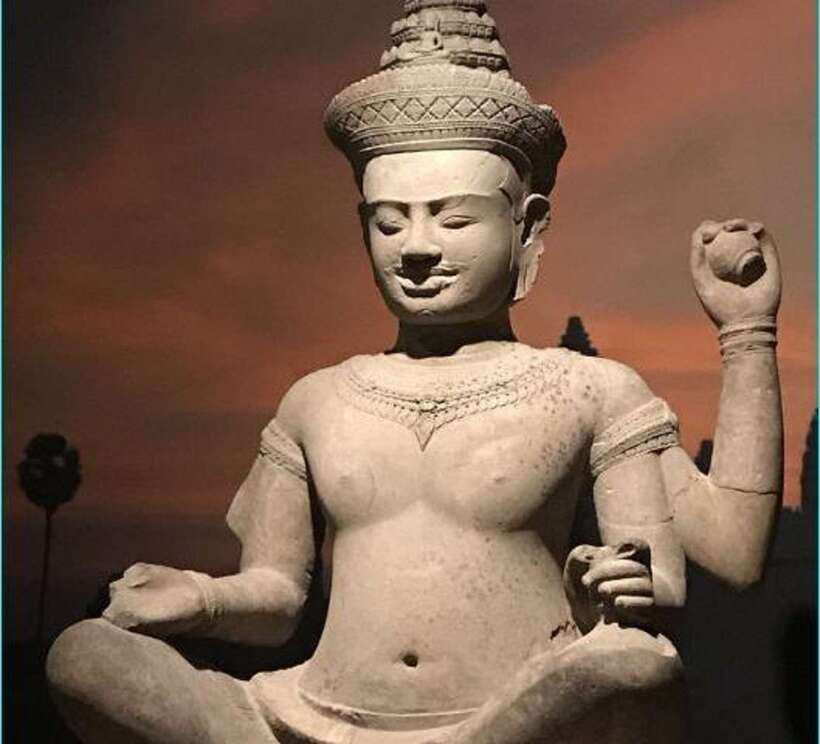
The museum is particularly valuable for anyone who plans to see Angkor Wat and Angkor Thom. Those temple areas are large, detailed, and easy to experience as a series of impressive views without understanding their purpose.
Here, you can prepare for the architectural language of the temples. The displays address architecture from the Angkor Wat and Angkor Thom eras, helping you think about towers, galleries, sacred spaces, and the relationship between buildings and belief.
I would not expect the museum to answer every question about the temples. The supplied information does not promise a personal guide or a detailed lecture. Instead, you get an organized introduction that helps you look more closely when you reach the monuments.
That distinction matters. If you want a private expert explaining every sculpture, this is not that kind of activity. If you want a well-planned museum visit with admission and a ride from your hotel, it offers a practical way to prepare.
Customs, traditions, and ancient beliefs
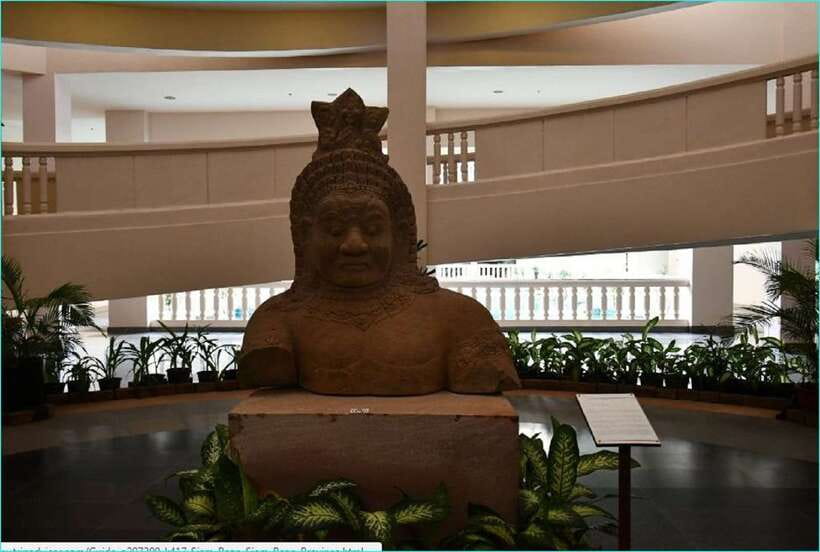
The museum does more than focus on buildings. It also introduces ancient Khmer customs, traditions, and different beliefs. That broader focus helps you see Angkor as a society, not simply a collection of stone temples.
I like this part because architecture makes more sense when you understand the values behind it. Religious belief influenced the subjects artists carved and the spaces people built. Customs shaped how objects were used and how sacred places were understood.
The chronological galleries let you see those ideas develop across time. You may find the displays most useful if you read patiently and connect each room with the next. The experience is designed to reveal the story gradually, so rushing through every gallery would weaken one of its main strengths.
The museum is also a good choice for mixed-interest groups. Someone fascinated by architecture can focus on the Angkor-era material, while someone more interested in religion or daily customs can spend longer with the cultural displays.
Making the most of a two-hour visit
The stated duration is two hours. That is a reasonable amount of time for a focused museum visit, especially if you want an introduction before a temple day. It is long enough to see the principal galleries without turning the stop into an all-day commitment.
At the beginning, collect the museum map and use it to understand the order of the galleries. Since the objects are arranged chronologically, following the intended route will give you a clearer story than wandering at random.
Give priority to the galleries connected to your interests. If you are visiting Angkor Wat soon, spend extra attention on the Angkor-era architecture and religious material. If you are most interested in Khmer belief, leave time for the Buddha gallery and the sections on customs and traditions.
An audio guide can change the pace. Without one, you control your own visit with the map and museum displays. With one, you may spend longer on selected objects and gain more explanation. Because it is not included, decide before arrival if added interpretation is worth the extra cost.
Backpacks are not allowed. Pack lightly and check the museum’s current storage arrangements before you go, since the supplied information does not specify how restricted items are handled. Pets are also not allowed.
Is $26 good value?
At $26 per person, the package includes museum admission and one-way hotel pickup. That makes the price reasonable for anyone who values simple transport and wants a planned cultural stop rather than arranging each part separately.
The value depends on what you need. If you already have a tuk-tuk driver for the day, buying transport separately may make more sense. If you need an easy ride from your hotel and want museum entry arranged in advance, the package removes two small tasks.
Remember what the price does not cover. The audio guide is separate, your return ride is not included, and personal expenses are your responsibility. Those exclusions do not make the package poor value, but they should be part of your budget.
The strongest value is educational rather than purely logistical. A museum ticket alone may feel expensive if you only want a quick look. It becomes more worthwhile when you use the visit to improve your understanding of several days of temple sightseeing.
Who should book this museum visit?
I would recommend it to first-time visitors to Siem Reap who plan to see Angkor Wat or Angkor Thom. It is also a good fit for anyone who wants cultural context without committing to a full-day guided tour.
Families and mixed-interest groups may appreciate the indoor setting and the clear two-hour length, although children who dislike museums may not want to spend equal time in all eight galleries. The 1,000 Buddha statues provide a memorable focal point, but the experience still depends on reading and looking carefully.
It suits independent visitors who prefer to explore at their own pace. The map gives you direction, and the pickup solves the arrival problem without requiring a full private itinerary.
You may want to skip it if you have very limited time in Siem Reap and care only about outdoor temples. You may also prefer another option if you need round-trip transport or a live guide included in the price.
Practical booking advice for a smooth visit
Give the provider your hotel name, exact location, and a contactable phone number. Without those details, the tuk-tuk driver may not be able to find you or complete the pickup.
Wait in your accommodation lobby at the agreed time. Contact the provider before visiting to confirm your planned time, since the booking information asks you to arrange the pickup details in advance.
Bring the ticket supplied for the visit. The museum requires you to have the ticket, and the pickup and admission are connected to the booking arrangement.
The activity allows free cancellation up to 24 hours before the visit for a full refund. You can also reserve now and pay later, which is useful if your Siem Reap schedule is still changing.
Should you book it?
Book this experience if you want a short, organized introduction to Khmer civilization before visiting the temples. The eight chronological galleries, the 1,000 Buddha statues, and the focus on beliefs, customs, and Angkor-era architecture give you useful context for the rest of your stay.
The $26 price is fairest when you need the one-way hotel pickup. Add the cost of your return ride and, if wanted, the separate audio guide. If you already have transport and prefer a live guide, compare other options first.
For most first-time visitors with two spare hours, I would put the Angkor National Museum near the start of the itinerary. It will not replace the temples, but it can help you see them with sharper eyes.
FAQ
How long does the Angkor National Museum visit last?
The stated duration is two hours.
What is included in the $26 price?
The price includes admission to the Angkor National Museum and one-way pickup from your hotel by tuk-tuk.
Is return transportation included?
No. The included transport is one way, from your hotel or accommodation to the museum.
Is an audio guide included?
No. The audio guide is not included in the package and must be arranged separately. German is available according to the provided activity information.
What language is available for the activity?
The listed activity language is English, and the driver is listed as English-speaking.
What should I provide for the pickup?
Provide your hotel name or location and a contactable phone number. You should wait for the tuk-tuk driver in your accommodation’s lobby.
What can I see inside the museum?
The museum has eight chronological galleries covering Khmer civilization, customs, traditions, beliefs, and architecture from the Angkor Wat and Angkor Thom eras. It also has a gallery with 1,000 Buddha statues.
Are backpacks and pets allowed?
No. Backpacks and pets are not allowed.
Can I cancel the booking?
Yes. You can cancel up to 24 hours in advance for a full refund. You can also reserve now and pay later.
Just added around Siem Reap
- Ultimate Sunrise to Angkor Wat, Angkor Thom and Bayon Temple★ 5.0 · 3 reviews
- Full-Day Private Tour of Angkor Wat with Pick Up★ 5.0 · 12 reviews
- Trekking Tour at Phnom Kulen National Park from Siem Reap★ 5.0 · 3 reviews
- Twilight Tastes of Siem Reap Include Dinner★ 5.0 · 13 reviews
- Siem Reap City Tour with War Museum and Killing Field★ 5.0 · 27 reviews
- Private Day Trip to Angkor Temples with Expert Guide★ 5.0 · 4 reviews
- Waterfall & River of 1000 Siva Linga- Kulen Mountain Private Tour★ 5.0 · 3 reviews
- Private Two Days Siem Reap Temples Discovery Guided Tour★ 5.0 · 7 reviews
Siem Reap Tuk Tuk Tours, compared.

Siem Reap Countryside Bike Tour / E-Bike or Tuk Tuk
Read our review →

Apsara Dance Show & Dinner with Tuk-Tuk Transfers
Read our review →
Siem Reap Countryside Vespa Tour / Tuk Tuk Available
Read our review →Browse the lists this tour appears in