

Reviewed · ANGKOR WAT TOURS
Luxury Private 2-Day Angkor Wat with English or German Guide
Angkor Wat is too large for a quick look, and this private tour gives you room to set the pace. I like the air-conditioned Toyota Alphard-style van, especially during hot temple walks, and I like the chance to combine sunrise, sunset, and outlying temples without arranging separate rides. The guide also supplies cold water and wet towels, small touches that matter in Cambodia’s heat.
The main catch is that the $181 price does not include temple admission. You’ll also pay extra for a German, Chinese, Japanese, or Spanish guide, and the two-day plan is packed with stops. You get comfort and flexibility, but you should be ready for long walks, steps, early starts, and a full day of ancient stone.
Key points at a glance
- Private pacing: Travel with your own group of up to eight people instead of joining a large shared bus.
- Two useful formats: Choose a one-day sunrise route or a two-day plan with Angkor Wat, Angkor Thom, the Grand Circuit, Banteay Srei, and sunset at Phnom Bakheng.
- Strong guide options: English is included. German costs $30 per reservation per day, while Chinese, Japanese, and Spanish cost $40.
- Comfort between temples: The air-conditioned van, bottled water, and wet towels provide welcome relief after hot walks.
- Good photo planning: Guide Da is praised for knowing useful photo spots and lighting settings, while Hai is noted for excellent German.
- Extra costs to plan: The Angkor pass is $37 for one day or $62 for three days, and food is not included.
A private way to tackle a very large temple complex
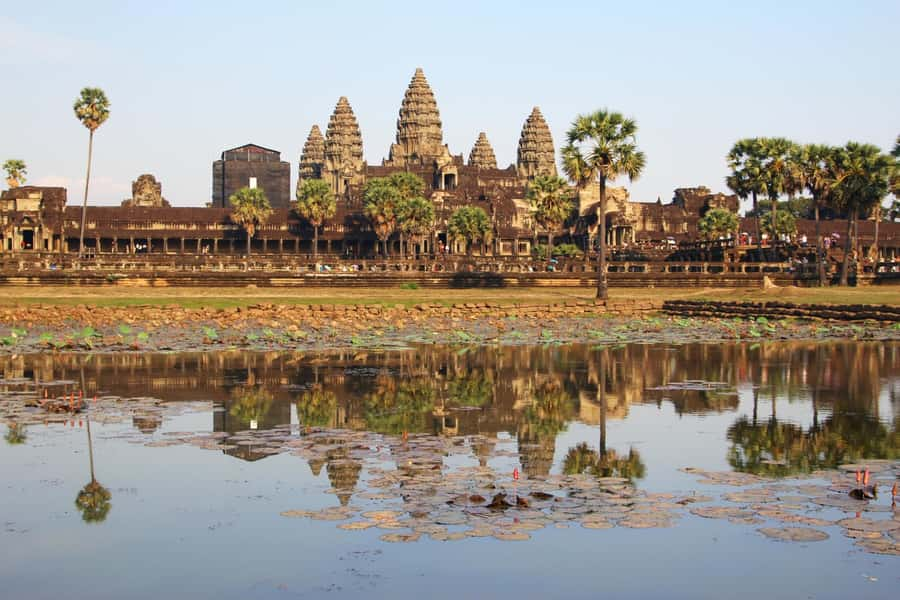
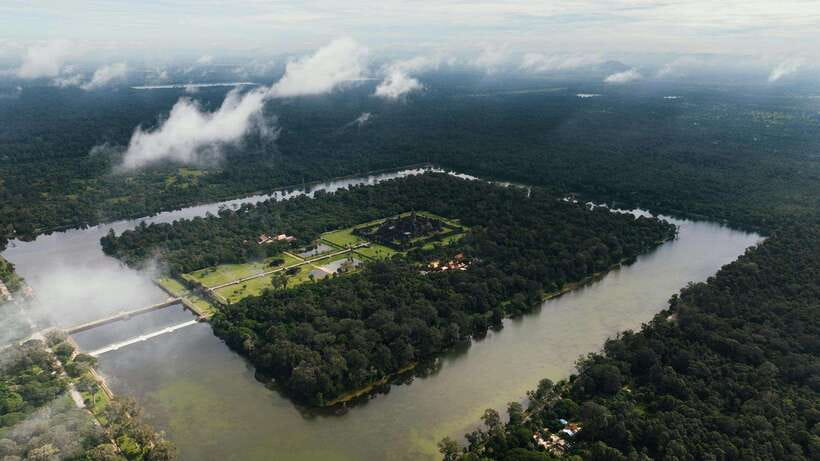
Angkor is not one temple. It is a huge archaeological zone filled with major monuments, smaller shrines, long causeways, forest paths, and broad courtyards. A private vehicle helps you move between them without waiting for a larger group to finish lunch, find a missing hat, or climb one more staircase.
The tour includes hotel pickup and drop-off within Siem Reap town. You travel in an air-conditioned private van, listed as a Toyota Alphard or equivalent, with a maximum of eight people per reservation. That limit is important. A group of eight still feels social, but it gives you much more breathing room than a crowded coach.
I especially like the flexible pace. If you want more time at Bayon’s carved faces, a slower walk through Ta Prohm, or better photographs at Angkor Wat, you can discuss that with your guide. The route may also be adjusted to help avoid crowds, though this is not a guarantee of empty temples.
More multi-day trips from Siem Reap:
- Siem Reap: Angkor Wat 2-Day Tour with Sunrise and Sunset
★ 4.9 · 4,429 reviews - Angkor 2-Day Sunset & Sunrise Small-Group Tour
★ 5.0 · 2,567 reviews - 2 Days Exclusive Temple Highlights with Sunset and Sunrise Tour
★ 5.0 · 1,157 reviews
The one-day route: sunrise, faces, and jungle roots
The one-day option begins before 5 a.m. with hotel pickup. You go directly to Angkor Wat for sunrise, then continue through the central monuments before returning to your hotel between roughly noon and 1 p.m.
Angkor Wat is the essential first stop. Its galleries, towers, courtyards, and long approach give your guide plenty to explain, from the temple’s religious purpose to the stories carved into its walls. Sunrise is a beautiful reason to start early, but remember that dawn at a famous temple is also the busiest part of the day. The private format helps with timing, but it cannot remove the crowd entirely.
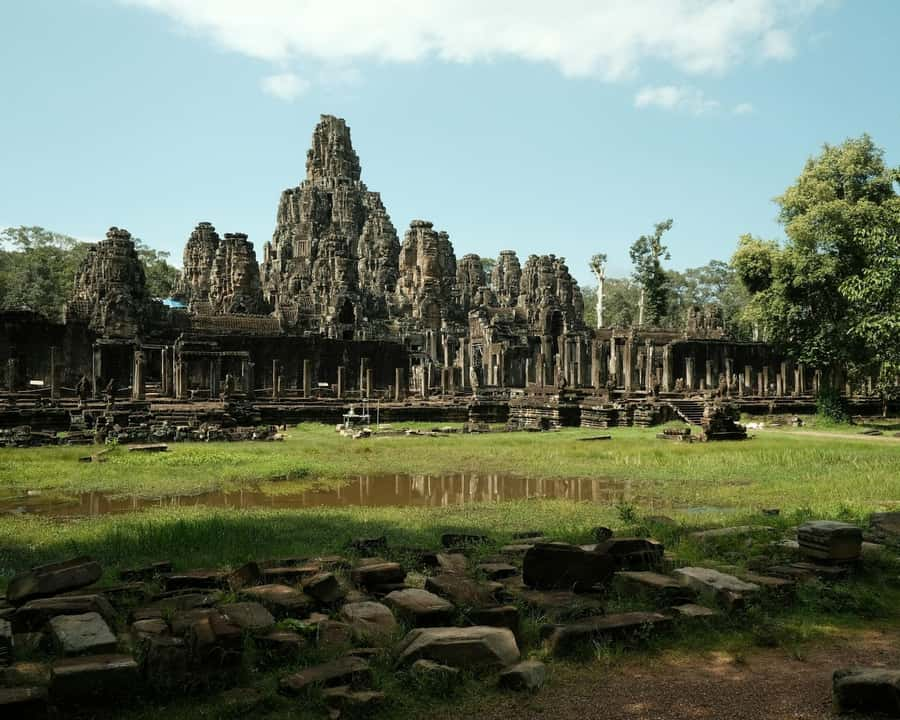
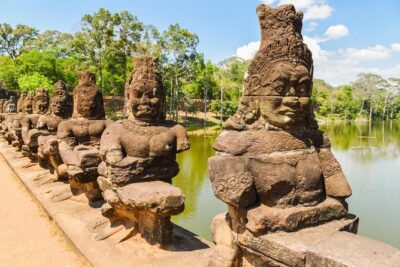
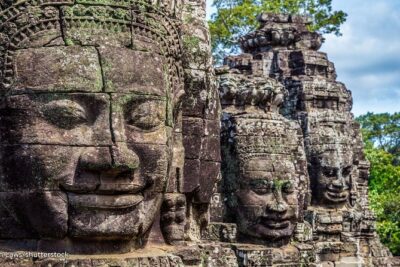
The route then includes Angkor Thom, entered through the Southern Gate. This broad gateway, lined with sculpted figures, sets up the scale of the old city. Inside, Bayon is the star. Its towers carry serene carved faces that appear from different angles as you walk around the temple. I would allow time here rather than treating it as a quick photo stop.
Baphuon follows, with its elevated walkway and steep stone steps. Phimeanakas, the Terrace of the Elephants, and the Terrace of the Leper King fill out the central complex. These sites work well together because they show different parts of royal Angkor: temple architecture, ceremonial spaces, carved terraces, and remains of the old city.
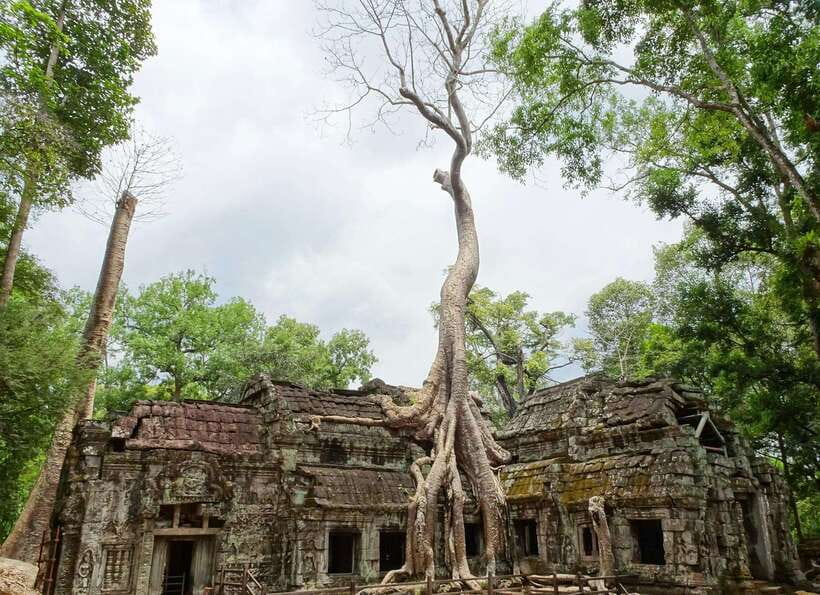
Ta Prohm is the most instantly recognizable stop after Angkor Wat. Tree roots grip the old masonry, and the temple was used as a setting for the film Tomb Raider. It is photogenic, but the narrow passages can become crowded. Listen carefully to your guide here, since the most memorable detail is not simply the giant roots, but the way the forest and stone now share the same space.
The one-day route also includes Banteay Kdei, a large Buddhist temple with courtyards and galleries, and the nearby Ta Nei. Ta Nei is quieter and more enclosed than the famous headline sites, giving you a chance to see a less polished side of Angkor. The itinerary includes the Victory Gate as well, another useful part of understanding how Angkor Thom was organized.
The day ends with an optional climb to Phnom Bakheng for sunset. Capacity at the summit is limited, so you may need to wait, and entry is not guaranteed at the exact time you want. If you dislike waiting after a long day, you can skip sunset and return to your hotel. That flexibility is one of the better reasons to book privately.
The two-day route: more temples, less rushing
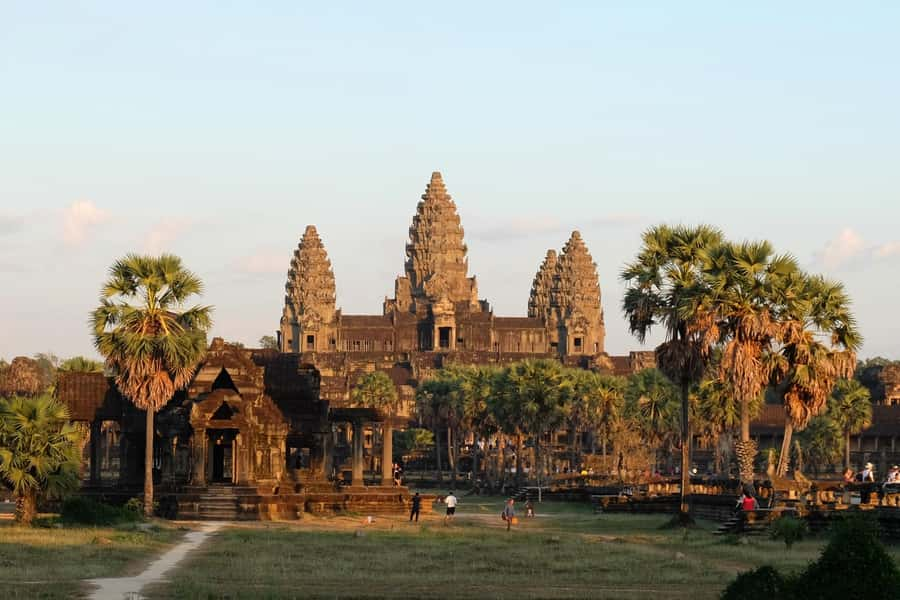
The two-day version gives the major temples more breathing room and adds the Grand Circuit and outlying monuments. Day one follows the core route: Angkor Wat, Ta Prohm, Ta Nei, the Victory Gate, Bayon, Baphuon, Phimeanakas, the two terraces, and Phnom Bakheng.
The first day begins at 8 a.m., which is much kinder than the sunrise start. The guide meets you in your hotel lobby, and the group can stop to obtain temple permits if needed. You’ll have a lunch break, but food is not part of the tour, so plan to pay at a local restaurant.
Day two begins around 5 a.m. or earlier, depending on your sunrise plan. After Angkor Wat at dawn, you stop for breakfast at a local restaurant, then continue through the outlying temples. The day ends around noon or 1 p.m., making it possible to rest during the hottest part of the afternoon.
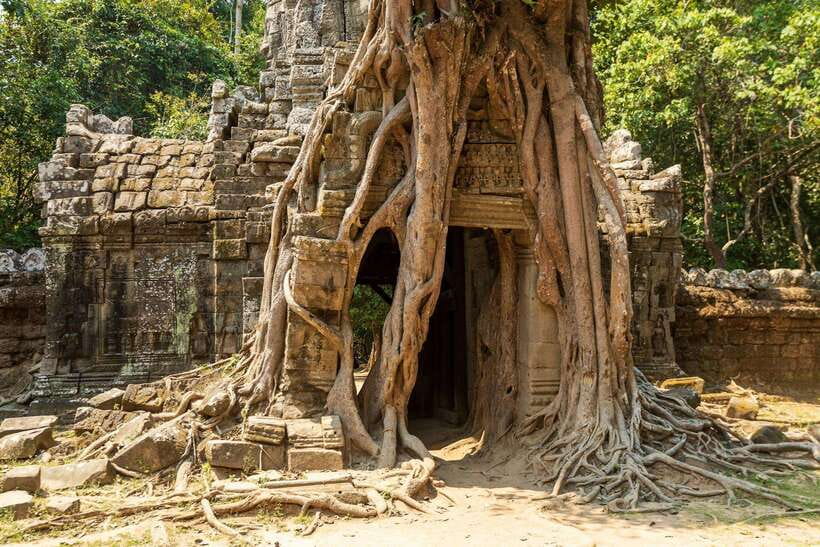
Preah Khan is one of the most rewarding additions. Its long galleries and courtyards make it feel like a complete temple city rather than a single tower. Neak Pean is smaller and unusual, built around a central pool with water-related symbolism. Ta Som is compact and atmospheric, with trees pressing into the structure in a way that recalls Ta Prohm on a smaller scale.
Eastern Mebon and Pre Rup offer a different look at temple construction. Both are raised brick-and-stone monuments, and their platforms provide a clear sense of how Angkor’s builders used height and symmetry. The steps can be steep, so wear shoes with a firm grip and take your time.
Banteay Srei is the furthest major stop listed on the route and is famous for its fine pink sandstone carvings. It is smaller than Angkor Wat, but the detail is the point. The long drive is a consideration, yet many people find the carved lintels and delicate figures worth the extra distance.
Banteay Samre adds another substantial temple to the day, while Banteay Kdei completes the circuit. Together, these sites make the two-day plan much broader than a standard highlights visit. You see major monuments, quieter corners, different building materials, and several stages of Angkor’s development.
What your guide adds to the stone
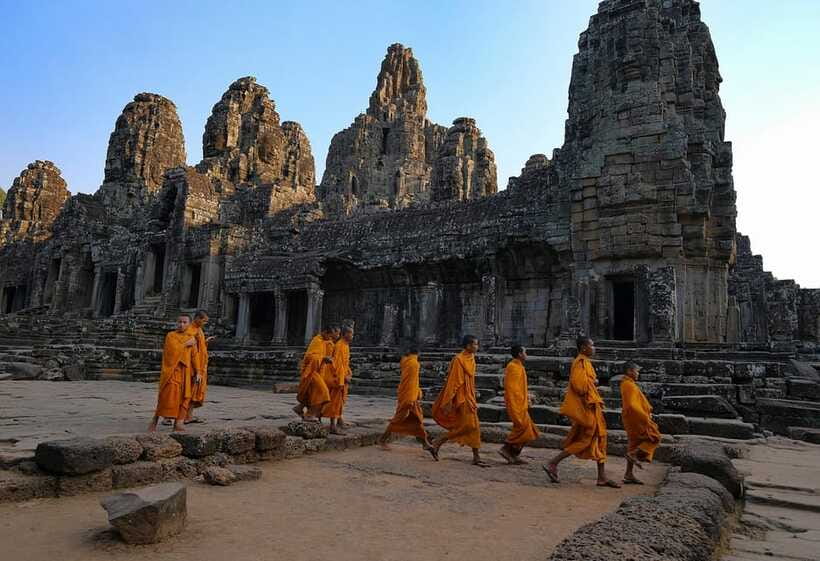
The guide is more than a person who points toward the next doorway. The service includes explanations of history, culture, landmarks, local stories, and details about the old Khmer kingdom. That context matters because many Angkor temples look similar at first glance. A good explanation helps you notice the purpose of a terrace, the meaning of a carved scene, or the difference between a royal temple and a Buddhist sanctuary.
English guiding is included. If you want another language, confirm it at booking. German, Chinese, Japanese, and Spanish are available for a surcharge, with German listed at $30 per reservation per day and the other three at $40. The language fee is paid in cash.
Hai is specifically noted for excellent German, and Da is praised for being friendly, well-informed, and attentive to photography. Da’s ability to suggest photo positions and lighting settings could be useful at Angkor Wat, Ta Prohm, and Bayon, where the angle of the sun changes the look of the carvings.
Guide quality can shape a temple day as much as the itinerary. You should tell the guide if you prefer detailed history, shorter explanations, more photography time, or a slower walk. The private setting makes that conversation easy.
More Angkor Wat tours in Siem Reap:
- Angkor Wat Sunrise or Sunset Tour with Guide from Siem Reap
★ 5.0 · 12,109 reviews - Siem Reap: Angkor Wat: Small-Group Sunrise or Sunset Tour
★ 5.0 · 9,444 reviews - Siem Reap: Full-Day Angkor Wat Guided Tour with Sunset
★ 4.9 · 3,803 reviews - Angkor Wat Sunrise tour with Small – Group and Guide tours
★ 5.0 · 3,655 reviews
The van, water, and practical comfort
The air-conditioned van is not a luxury gimmick here. You will walk across open courtyards, climb steps, and move through stone corridors that can hold heat. Returning to a cool vehicle between temples gives you a chance to recover before the next site.
Cold drinking water and wet towels are included. Bring your own refillable bottle if you like, but the supplied water is useful. The towel is particularly welcome after a long stretch outdoors.
Fuel, parking, taxes, hotel pickup, and drop-off are included within Siem Reap town. Food is not included, and personal expenses remain yours. Bring cash for breakfast, lunch, drinks beyond the supplied water, and small purchases.
Wear comfortable shoes. You do not need technical hiking gear, but sandals with poor grip are a weak choice on uneven paths and steps. Cover your shoulders and knees inside the temples, or carry a large scarf that can provide extra coverage.
Drones and pets are not allowed. The tour is not suitable for wheelchair users because it includes guided walking and occasional stair climbing.
Is $181 good value?
At $181 per group, the price can be attractive if you are traveling with several people. Eight people sharing the base cost brings the tour to about $23 per person before temple passes and any language surcharge. A smaller party pays more per person, but still receives private transport, a guide, hotel transfers, water, towels, fuel, parking, and taxes.
The Angkor admission fee is separate: $37 each for a one-day pass or $62 each for a three-day pass. For the two-day itinerary, the three-day pass is the logical option because it costs less than buying two separate one-day passes. The pass can take a sizable bite out of the total, so include it when comparing this tour with other options.
The value is strongest for a family, group of friends, or small party that wants a private van and does not want to manage multiple tuk-tuk rides. Solo visitors or couples may find the per-person price less compelling, though the comfort and private schedule still have real value.
The German surcharge is reasonable if you need fluent explanations in German. The Chinese, Japanese, and Spanish fees are higher, so compare the total cost before booking. The default language is English, and you should select the correct option in advance.
Who should choose the one-day or two-day plan?
Choose one day if you have limited time in Siem Reap and want the main Angkor experience: sunrise, Angkor Wat, Angkor Thom, Bayon, Ta Prohm, and a few nearby temples. It is a fast day, especially if you keep the sunset stop, but the private format lets you return after the main sights if you are tired.
Choose two days if you want Banteay Srei, Preah Khan, Neak Pean, Ta Som, Eastern Mebon, Pre Rup, and Banteay Samre without forcing every major site into one long outing. The two-day plan still starts early and includes plenty of walking, but the first day begins at 8 a.m., giving the schedule a better rhythm.
This experience suits people who value comfort, language support, and control over the day. It is less suitable if you want a slow, unstructured temple visit with no early mornings, or if steps and long walks are difficult.
Should you book it?
I would choose this tour if you are traveling with a group of up to eight and want one vehicle, one guide, and a clear plan for the main temples. The two-day format offers the better value for anyone who wants more than Angkor Wat and Ta Prohm, while the one-day route works for a short stay.
Before booking, check three things: the total cost after temple passes, the language surcharge, and your tolerance for early starts. If those fit your plans, the private van, flexible pacing, strong guide options, and thoughtful comfort supplies make this a practical way to see a very large temple complex.
FAQ
How much does the private tour cost?
The listed price is $181 per group, with a maximum of eight people per reservation. Temple admission, food, personal expenses, and non-English guide surcharges are separate.
Does the price include the Angkor temple pass?
No. A one-day pass costs $37 per person, while a three-day pass costs $62 per person.
Is an English-speaking guide included?
Yes. Professional English guiding is included. German, Chinese, Japanese, and Spanish guides cost an additional fee.
How much are the language surcharges?
A German guide costs $30 per reservation per day. A Chinese, Japanese, or Spanish guide costs $40 per reservation per day.
How many people can join one reservation?
The private group is limited to a maximum of eight guests.
What time does the one-day sunrise tour begin?
Pickup takes place before 5 a.m. The tour normally ends between noon and 1 p.m., depending on the route and your preferences.
What time does the first day of the two-day plan begin?
The guide meets you in your hotel lobby at 8 a.m. The second day begins around 5 a.m. or earlier for sunrise.
Is food included?
No. Breakfast and lunch are not included, though the second day includes a stop at a local restaurant after sunrise.
Is hotel pickup included?
Yes. Pickup and drop-off are included for hotels and guest houses within Siem Reap town.
Is the tour suitable for wheelchair users?
No. The tour includes guided walking and occasional steps, so it is not suitable for wheelchair users.
What should I wear at the temples?
Your shoulders and knees must be covered. Wear comfortable shoes and bring a large scarf if you need extra coverage.
Can I cancel for a full refund?
Yes. You can cancel up to 24 hours in advance for a full refund.
Just added around Siem Reap
- Ultimate Sunrise to Angkor Wat, Angkor Thom and Bayon Temple★ 5.0 · 3 reviews
- Full-Day Private Tour of Angkor Wat with Pick Up★ 5.0 · 12 reviews
- Trekking Tour at Phnom Kulen National Park from Siem Reap★ 5.0 · 3 reviews
- Twilight Tastes of Siem Reap Include Dinner★ 5.0 · 13 reviews
- Private Day Trip to Angkor Temples with Expert Guide★ 5.0 · 4 reviews
- Waterfall & River of 1000 Siva Linga- Kulen Mountain Private Tour★ 5.0 · 3 reviews
- Siem Reap City Tour with War Museum and Killing Field★ 5.0 · 27 reviews
- Private Two Days Siem Reap Temples Discovery Guided Tour★ 5.0 · 7 reviews
Angkor Wat Tours, compared.
Angkor Wat Sunrise or Sunset Tour with Guide from Siem Reap
Read our review →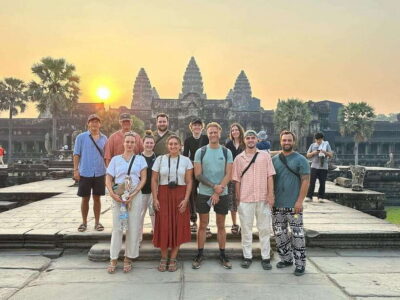
Angkor Wat: Small-Group Sunrise or Sunset Tour
Read our review →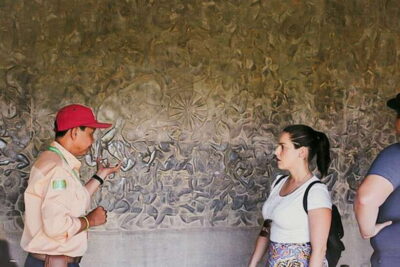
Angkor Wat 2-Day Tour with Sunrise and Sunset
Read our review →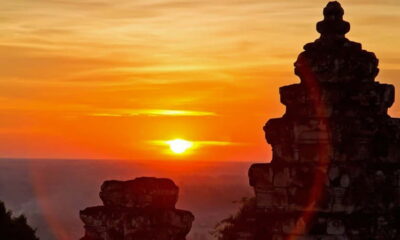
Angkor Wat Sunrise tour with Small – Group and Guide tours
Read our review →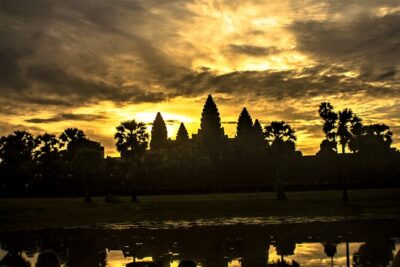
Angkor Wat Highlights and Sunrise Guided Tour from Siem Reap
Read our review →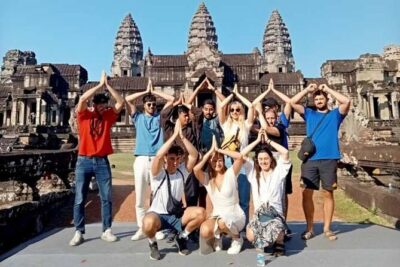
Angkor Wat Sunset Small Group Tour with Lunch Included
Read our review →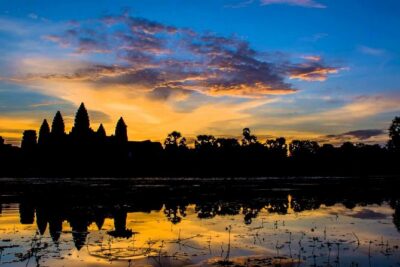
Full-Day Angkor Wat Sunrise Private Tour with Guide from Siem Reap
Read our review →Browse the lists this tour appears in