
Reviewed · ANGKOR NATIONAL MUSEUM AND ATTRACTION TICKETS
Private Tour: HERO Rats & Angkor National Museum
Cambodia’s Hero Rats are the star here: specially trained animals that help detect landmines left behind by decades of conflict. You also visit Wat Thmei, where a small memorial stupa holds the bones of victims killed during the Khmer Rouge period, then turn to the art and power of the Angkor era.
I like the way this tour connects Cambodia’s recent past with its older civilization. I also like the private car, English-speaking guide, and small-group format, which make the serious subjects easier to discuss. The main catch is that Angkor National Museum is currently closed, and the replacement stop may add time or change the planned route.
Key points to know
- Hero Rats in action: See how APOPO’s trained rats help locate landmines without setting them off.
- Wat Thmei memorial: Spend time at a quiet Siem Reap killing field memorial containing victims’ skulls and bones.
- Two departure choices: Start at 8:00 in the morning or 1:00 in the afternoon.
- Private transport: Your group rides in an air-conditioned car with an English-speaking guide.
- Museum warning: Angkor National Museum is currently closed, so the itinerary may be amended.
- Good value for a focused outing: The $85 per-person price includes transport, guide, water, and admissions, but not meals or refreshments.
Why this Siem Reap tour feels different
Many Siem Reap excursions focus almost entirely on temples. This one takes a sharper turn. You spend part of the day looking at Cambodia’s ancient Khmer art, but you also confront the country’s recent violence and the ongoing work required to make rural areas safer.
That contrast gives the tour its purpose. Wat Thmei shows the human cost of the Khmer Rouge years. The APOPO Visitor Center explains how landmines continued to affect Cambodian communities long after the fighting ended. The museum then brings you back to the artistic and political achievements of the Khmer empire from the 9th through 14th centuries.
I find that combination useful because it prevents Cambodia from being reduced to Angkor Wat photographs and temple ruins. You get a clearer sense of how the country’s past continues to shape everyday life.
The tour lasts about four hours, not a full day despite the amount of ground it covers. Pickup is offered at 8:00 in the morning or 1:00 in the afternoon. That makes it easy to fit around temple visits, though the timing can shift if a replacement museum is used.
More killing fields and war museum tours in Siem Reap:
- Battambang Full Day Tour from Siem Reap – Bamboo Train, Killing Cave & Sunset
★ 5.0 · 101 reviews - Full Day From Siem Reap – Bamboo Train, Killing Cave & Sunset
★ 5.0 · 57 reviews - Siem Reap: Elephants & Apopo Rat Demining Private Trip
★ 4.6 · 46 reviews
Wat Thmei and the weight of Cambodia’s recent past
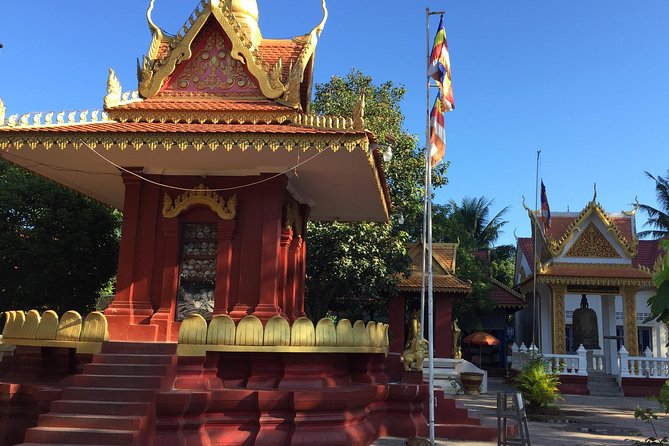
The first stop is Wat Thmei, a Buddhist temple complex with a small memorial stupa containing the skulls and bones of people killed during the Khmer Rouge period. You spend about 30 minutes here, and admission is included.
This is not a large museum with long displays or a carefully staged presentation. The memorial is small, direct, and difficult to treat as just another sightseeing stop. You may find the setting quiet and subdued, which suits the subject. The point is not to spend hours here, but to pause and acknowledge what happened.
A guide can help place the memorial in the wider story of Cambodia’s conflict. One guide named Aaron has been praised for sharing personal experience connected to the killing fields, adding weight to the explanation. The experience will depend on the guide assigned to your group, but the private format gives you a better chance to ask questions than you would have on a large coach trip.
I recommend approaching this stop with respect and patience. It is not a photo opportunity, and the short visit does not mean the subject is simple. You will get more from it if you listen carefully and give yourself a little quiet time rather than rushing straight back to the car.
APOPO: seeing the Hero Rats at work
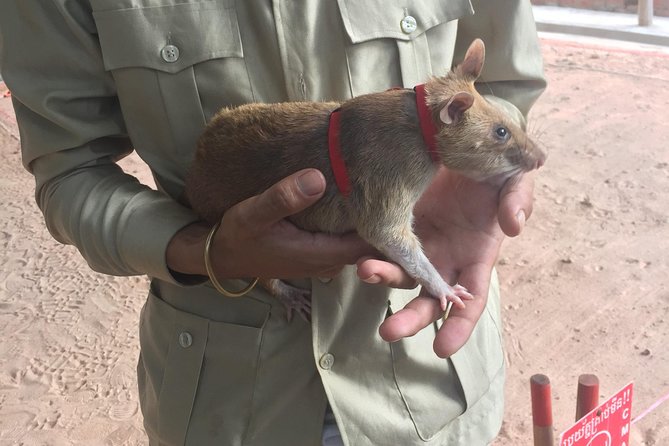
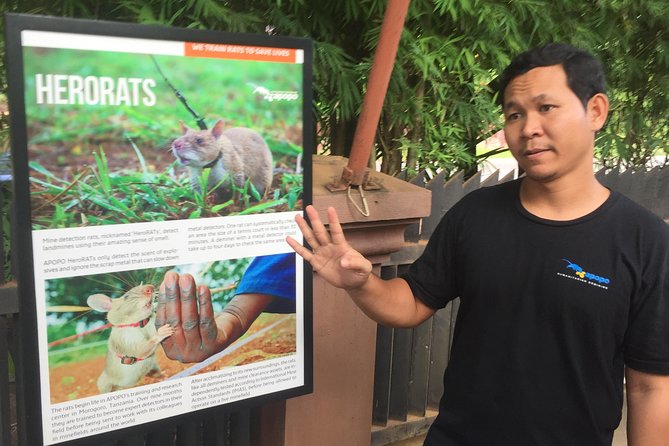
The APOPO Visitor Center is the tour’s most unusual stop. Here, you learn about landmines in Cambodia, the damage they caused, and the work being done to locate them.
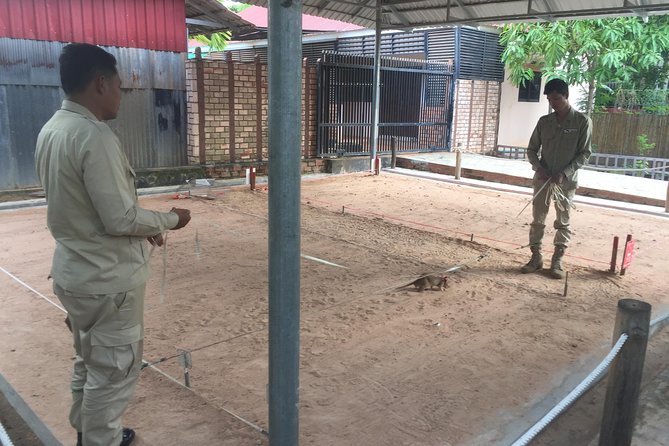
The center’s trained rats are known for detecting explosive material by scent. Their light weight means they can cross a mined area without triggering the explosives, and their handlers can then investigate the marked locations. The appeal is easy to understand: these are not heroic animals because they are large or fierce. They are useful because they are quick, trainable, and small enough to work safely in places where a person could be badly injured.
You spend about an hour at the center. Expect an explanation of the landmine problem, the effect on local communities, and the methods used to train the rats. The practical demonstrations are the heart of the stop. Watching the animals work makes an abstract subject much easier to grasp.
I especially like that this is not just a display about past suffering. It shows a current effort to reduce danger. The visit gives you a reason to think about the countryside outside Siem Reap, where the effects of conflict have not simply disappeared because the fighting ended.
The center can close for holidays or special reasons. One afternoon group missed the rat center during Cambodian New Year and instead visited the Cambodia Landmine Museum, located farther out of town. That replacement still fits the subject, but it is a different experience. A museum offers more background and objects, while APOPO gives you the memorable sight of the rats working.
If seeing the Hero Rats is the main reason you want to book, confirm the center’s operating status before departure. The tour provider notes that the museum stop may be amended, and the holiday closure shows why flexibility matters.
Angkor National Museum and the Khmer imperial collection
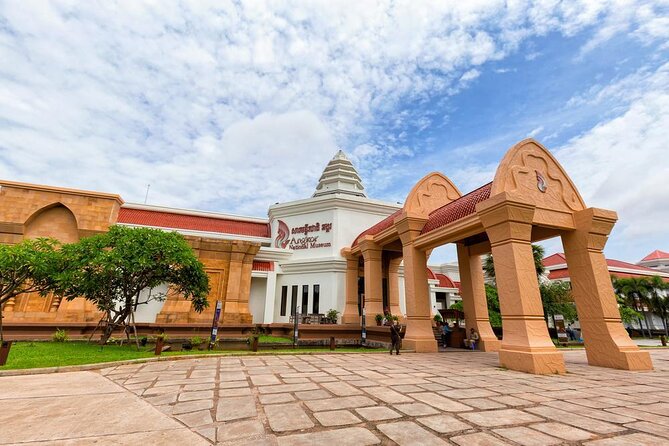
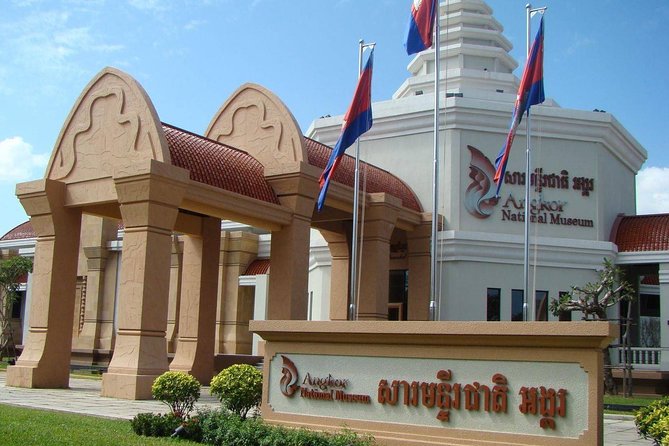
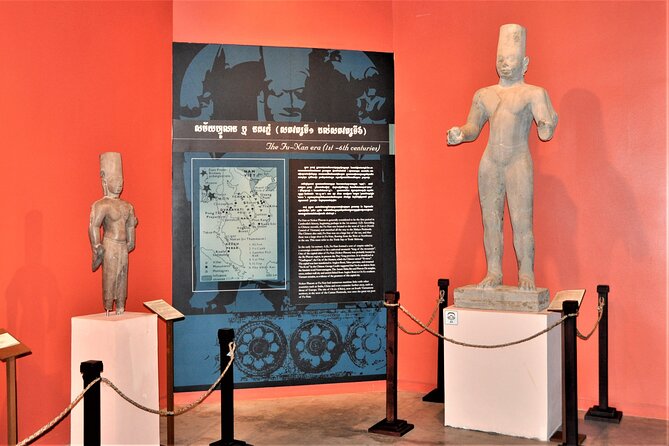
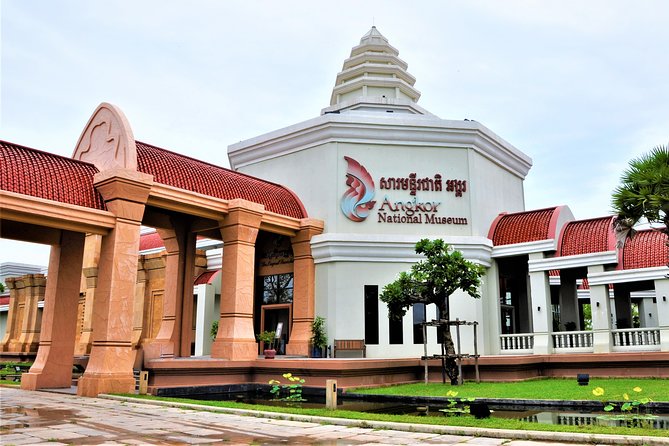
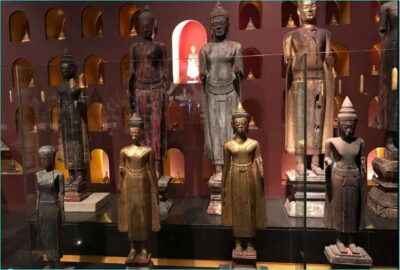
The final planned stop is Angkor National Museum, with about 90 minutes set aside for the visit. The museum is dedicated to preserving and presenting Angkorian artifacts, mainly from the Khmer period between the 9th and 14th centuries.
This is a useful companion to temple sightseeing. At the temples, you see massive buildings, carvings, and stone galleries in their original setting. At the museum, you can focus on individual objects and consider how Khmer art developed across centuries.
The collection is described as large, and 90 minutes gives you enough time for a solid introduction without turning the whole outing into an indoor marathon. You may find the museum especially helpful if you have visited Angkor but felt unsure about the kings, religious imagery, or artistic periods behind what you saw.
The important warning is that Angkor National Museum is currently closed. The route may therefore change, and the replacement could be a different museum connected with Cambodia’s conflict. A substitute visit may still be worthwhile, but it will not provide the same ancient-art focus.
That uncertainty is the single biggest weakness of the experience. If you specifically want Khmer sculpture and Angkorian artifacts, check the museum’s status before booking and again shortly before departure. If you are mainly interested in Cambodia’s modern history and the Hero Rats, the change will matter less.
More museum and attraction tickets in Siem Reap:
- Full Day Pass Angkor Wildlife and Aquarium – Siem Reap
★ 5.0 · 138 reviews - Angkor Eye Standard Ride Ticket
★ 5.0 · 26 reviews - Half Day Trip: Silk Farm, Satcha, and Senteur d’Angkor Tour
★ 4.7 · 10 reviews - Half Day War Museum Siem Reap Killing Fields and Artisans Angkor
★ 4.0 · 9 reviews
What the private format adds
This is a private activity, so only your own group participates. You ride in an air-conditioned car with an English-speaking guide and receive one bottle of water per person.
The private car matters in Siem Reap’s heat. You can move between stops without waiting for a large group, and you have a better chance of keeping the discussion at the level you want. A couple may prefer a quiet, focused outing, while a family can ask more basic questions without feeling hurried.
The guide is described as an experienced English-speaking driver and guide. The strongest guide experience will come from someone who can handle both the emotional subject at Wat Thmei and the technical details at APOPO. Aaron is one guide associated with an especially personal and moving presentation, though you should not assume he will lead every departure.
There are limits. A private tour does not automatically mean a long visit at every stop. Wat Thmei is scheduled for about 30 minutes, APOPO for one hour, and the museum for 90 minutes, with the remaining time used for driving and transfers. The schedule is focused rather than leisurely.
One practical point: the supplied information calls the experience roughly four hours, while the overview also uses full-day language. Plan around the four-hour duration. If a replacement museum lies farther from central Siem Reap, the day may run longer.
Is $85 per person a fair price?
At $85 per person, the price is not the cheapest way to see these places independently. You are paying for a private, air-conditioned vehicle, an English-speaking guide, admissions, and water. Meals, extra drinks, tips, personal purchases, and travel insurance are not included.
The value improves with two or more people sharing the same private vehicle. You avoid arranging separate transport, finding each location, and working out how to connect a memorial, a specialist center, and a museum in one outing. The guide also provides context that would be easy to miss if you simply hired a car and moved between stops.
The price is less attractive if Angkor National Museum remains closed and the replacement does not interest you. It is also less compelling for visitors who only want to watch the rats and would prefer to visit APOPO on their own.
I would judge the cost by the quality of the guiding and the condition of the route on your chosen date. If the Hero Rats center is open and your group values explanation, the package is reasonably convenient. If the main museum is unavailable, ask what exact substitute is planned before committing.
Morning or afternoon departure?
The 8:00 morning start is the safer choice if you want cooler conditions and a better buffer for delays. It also leaves your evening free for dinner or another Siem Reap activity.
The 1:00 afternoon departure suits you if you plan to visit temples in the morning or prefer a slower start. The heat can be more noticeable, especially if you spend time outdoors at Wat Thmei or at a replacement stop. One comment specifically noted standing in the hot sun too long during a museum-related visit, so bring sun protection and water beyond the bottle supplied.
The afternoon option can work well for people who want a compact educational outing after sunrise temple visits. Just remember that the exact timing may change if the replacement museum is farther out of town.
Who will appreciate this experience most?
I would recommend this tour to you if you want more than temple photographs. It suits first-time visitors who need a clear introduction to Cambodia’s recent conflict, families with older children, and anyone interested in humanitarian work or animal training.
It is also a good choice if you value a guide’s explanation. The killing field memorial can be difficult to understand without context, and the landmine issue reaches far beyond what you see during a short holiday in Siem Reap.
You may want to skip it if you are looking for a relaxed sightseeing loop with little serious discussion. Wat Thmei is emotionally heavy, and APOPO deals with a dangerous legacy of war. The museum portion also needs checking because the advertised venue is currently closed.
The tour is suitable for most participants, according to the supplied practical information, but the itinerary includes outdoor time and walking between vehicle, memorial, and museum areas. Wear comfortable shoes and light clothing, and carry sun protection.
Booking, cancellation, and practical details
Confirmation is received at booking, and pickup is offered. Choose either the 8:00 morning departure or the 1:00 afternoon departure when reserving.
Free cancellation is available up to 24 hours before the local start time. Changes or cancellations made inside that 24-hour window are not accepted for a refund.
The provider is Tour East Cambodia. Tips are not included, and you should budget separately for meals, other drinks, personal spending, and travel insurance.
Before you set out, confirm three things: that APOPO is open, what museum will replace Angkor National Museum if it remains closed, and how long the revised route is expected to take. Those checks will prevent the most common surprises.
Should you book the Hero Rats and museum tour?
Book it if you want a compact but serious look at Cambodia from several angles: the Khmer Rouge period at Wat Thmei, present-day landmine clearance at APOPO, and ancient Khmer art at the museum when open.
The Hero Rats visit is the main reason to choose this experience. It is unusual, useful, and easy to remember. The private car and guide add real value, especially for a group that wants to ask questions and avoid arranging several separate visits.
I would hesitate only if Angkor National Museum is essential to your plans and you cannot confirm that it will reopen. In that case, consider booking after checking the replacement route. Otherwise, the $85 price is fair for a private four-hour outing that connects Cambodia’s difficult recent past with the achievements of its ancient civilization.
FAQ
How long does the tour last?
The experience lasts approximately four hours, although the timing may change if the planned museum is replaced by a venue farther from Siem Reap.
What time can the tour start?
You can choose a morning departure at 8:00 or an afternoon departure at 1:00.
Is transportation included?
Yes. The tour includes an air-conditioned private car and pickup.
Is the tour private?
Yes. Only your own group participates in the activity.
Is Angkor National Museum open?
The supplied information states that Angkor National Museum is currently closed, so the itinerary may be amended.
What happens if the Hero Rats center is closed?
The itinerary may be changed. A Cambodia Landmine Museum has been used as an alternative when the APOPO center was closed during Cambodian New Year.
What does the $85 price include?
The price includes the private air-conditioned car, an English-speaking guide, admissions, and one bottle of water per person. Meals, other drinks, personal expenses, tips, and travel insurance are not included.
Just added around Siem Reap
- Ultimate Sunrise to Angkor Wat, Angkor Thom and Bayon Temple★ 5.0 · 3 reviews
- Full-Day Private Tour of Angkor Wat with Pick Up★ 5.0 · 12 reviews
- Trekking Tour at Phnom Kulen National Park from Siem Reap★ 5.0 · 3 reviews
- Twilight Tastes of Siem Reap Include Dinner★ 5.0 · 13 reviews
- Siem Reap City Tour with War Museum and Killing Field★ 5.0 · 27 reviews
- Private Day Trip to Angkor Temples with Expert Guide★ 5.0 · 4 reviews
- Waterfall & River of 1000 Siva Linga- Kulen Mountain Private Tour★ 5.0 · 3 reviews
- Private Two Days Siem Reap Temples Discovery Guided Tour★ 5.0 · 7 reviews
Angkor National Museum and Attraction Tickets, compared.

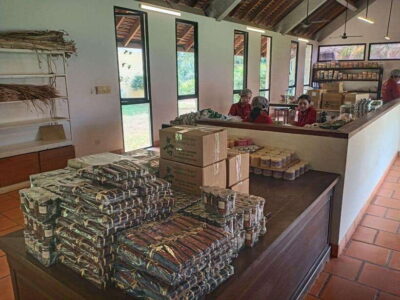
Half Day Trip: Silk Farm, Satcha, and Senteur d’Angkor Tour
Read our review →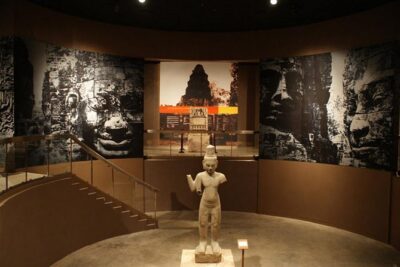
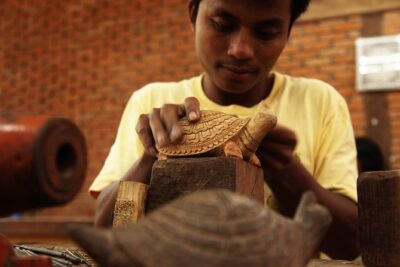
Half Day War Museum Siem Reap Killing Fields and Artisans Angkor
Read our review →
Angkor National Museum Ticket with Tuk-Tuk Pick-Up
Read our review →

Browse the lists this tour appears in