
Reviewed · ANGKOR WAT SUNRISE TOURS
Angkor Wat Sunrise Experience with Breakfast
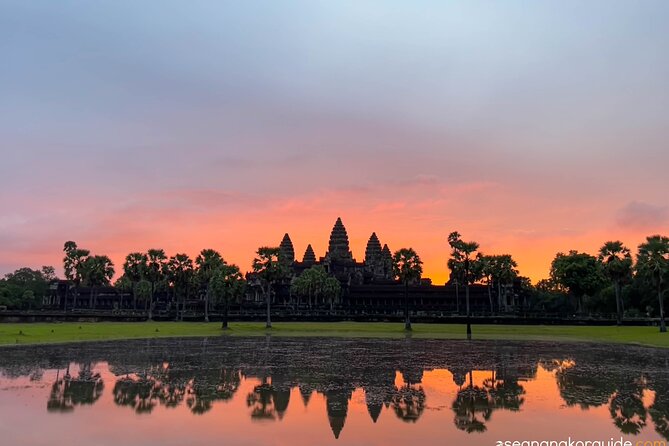
Angkor Wat at sunrise is the reason to book this tour. You leave Siem Reap around 4:30 to 5:00 in the morning, reach the temple before dawn, and watch light gather behind its five towers. I like the small group size, capped at 10, and the way breakfast in a village near Srah Srang breaks up the morning rather than sending you straight from temple to temple.
I also like that the day includes three of Cambodia’s essential monuments: Angkor Wat, root-covered Ta Prohm, and Bayon’s calm stone faces. The main tradeoff is the early start and the extra $37 Angkor Pass, which is not included in the $23 tour price. Sunrise also depends on the weather, so a cloudy morning can leave you with atmosphere but no glowing sky.
Key points to know before booking
- Sunrise begins before dawn: Hotel pickup is scheduled between 4:30 and 5:00 am, so set out your clothes and camera the night before.
- The $23 price is not the full cost: Add the required $37 Angkor Pass, plus lunch and drinks if you need them.
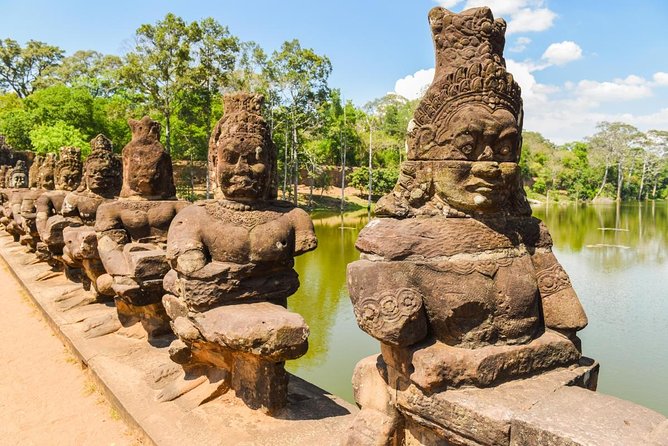
- Three major temples are included: You see Angkor Wat, Ta Prohm, and Bayon, with a short photo stop at Angkor Thom’s Victory Gate.
- Breakfast is local and practical: A one-hour stop near Srah Srang gives you time to eat before the hotter temple visits.
- Guiding is a major part of the experience: English-speaking guides such as Phrem, Vone, and Chy have been assigned on different departures.
- Comfort matters here: Air-conditioning, bottled water, and cool towels are included, a useful touch in Cambodia’s heat.
Why the early start is worth it
The day is built around a simple idea: see Angkor Wat at its most atmospheric, then use the cooler morning hours for the surrounding temples. That makes sense. By late morning, the heat can make even a short walk across stone courtyards feel tiring.
Your pickup is scheduled from 4:30 to 5:00 am. The exact time depends on your hotel and the shared pickup route, so be ready early rather than waiting until the last minute. The group then heads to the Angkor ticket office to buy the temple pass before entering Angkor Park.
The first sight is the classic one: Angkor Wat’s five towers reflected in the water as daylight begins. You may get a pink or golden sky, or you may get clouds. One guide can explain the temple and its meaning, but no guide can arrange the weather. The tour does require good weather, and a departure canceled for poor conditions can be moved to another date or refunded.
Even when the sun is hidden, the pre-dawn setting has value. The temple gradually appears from the dark, and the towers take on shape before the grounds become fully bright. Still, keep your expectations sensible. The tour promises the sunrise setting, not a guaranteed clear sunrise.
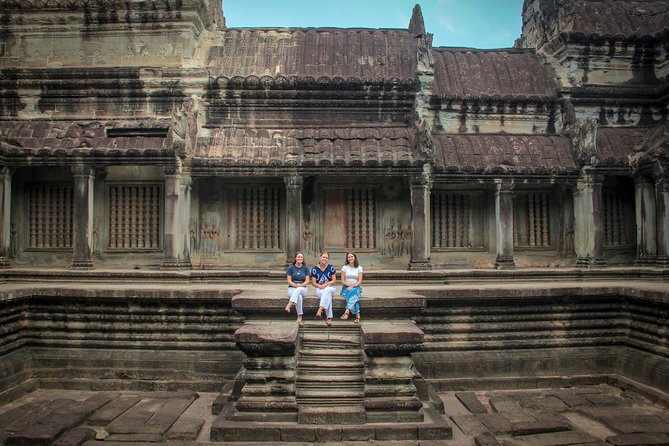
After watching dawn, you spend about two hours at Angkor Wat. This is important because the experience is not just a quick photo stop. You have time to explore the temple itself and hear about its architecture, religious purpose, Cambodian history, and mythology.
More sunrise tours in Siem Reap:
- Angkor Wat Sunrise or Sunset Tour with Guide from Siem Reap
★ 5.0 · 12,109 reviews - Siem Reap: Angkor Wat: Small-Group Sunrise or Sunset Tour
★ 5.0 · 9,444 reviews - Siem Reap: Angkor Wat 2-Day Tour with Sunrise and Sunset
★ 4.9 · 4,429 reviews
Angkor Wat gives you the grand opening
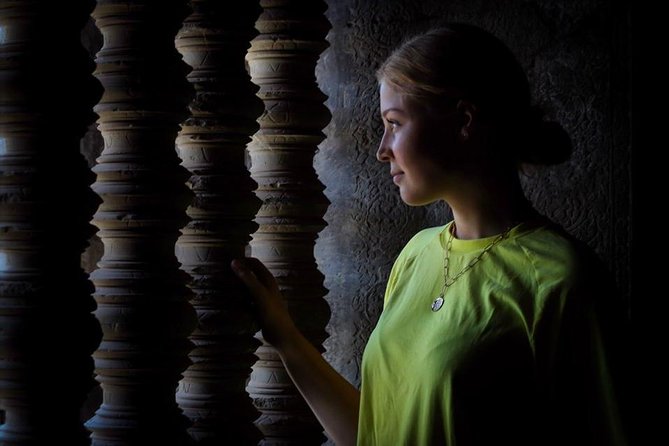
Angkor Wat was built as a Hindu temple and later became an important Buddhist site. The five towers are the image most people associate with Cambodia, but the pleasure of the visit comes from moving through the whole complex: broad stone approaches, galleries, courtyards, and carved details.
A guide makes a real difference here. The monument is large enough that you can admire it without understanding what you are seeing. An English-speaking guide can point out how the building is arranged and explain the stories shown in its carvings.
The pace is active but not rushed on paper. Two hours covers a useful introduction, though it will not reveal every corner of Angkor Wat. If this is your only day in the park, you should treat this as a strong first visit rather than a complete study of the temple.
Wear shoes suitable for walking and bring clothing that covers your shoulders and knees. The provided water and cool towels are especially useful once the sun rises. The tour includes bottled water, but lunch and other beverages are not included.
Breakfast near Srah Srang adds a local pause
After Angkor Wat, the group stops for about an hour in the village near Srah Srang for breakfast. This is more than a basic meal break. It gives you a look at daily life outside the main temple paths and keeps the morning from becoming one long stretch of carved stone and dusty roads.
Breakfast is included, but the details of the meal are not specified, so do not book this expecting a particular dish. If you need coffee, extra drinks, or a larger meal, carry some cash and remember that beverages are not part of the tour price.
The timing is sensible. You have already had the major sunrise moment, and food gives you a chance to reset before Ta Prohm. It also means you can avoid giving up an evening meal for the early departure. The visit is not described as a floating village excursion, and you should not confuse it with a separate Tonle Sap tour.
Ta Prohm delivers the strongest atmosphere
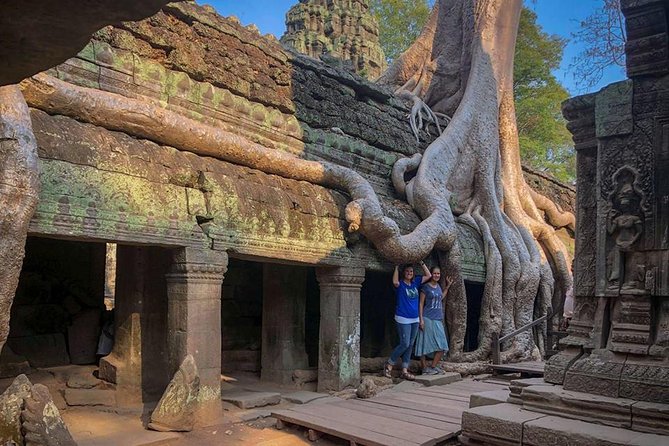
Ta Prohm is the temple that many people picture when they think of Angkor’s jungle setting. It was left partly in its original condition, with huge tree roots growing over walls and among the stone structures.
The appeal is not only the roots. Ta Prohm shows how a major religious complex can look when nature and architecture share the same space. Doorways, galleries, and courtyards feel less formal than Angkor Wat, and the sense of age is immediate.
You have about an hour here. That gives you enough time to see the best-known areas and listen to the guide, but the visit remains a highlights tour. The ground can be uneven, and you will be walking among stones, roots, and narrow sections. Comfortable footwear matters more here than stylish footwear.
Ta Prohm can become one of the busiest stops in the Angkor area. A guide who manages the route well can help the group keep moving and find worthwhile viewpoints. The supplied information does not promise a special early entry or an unusually quiet visit, so expect a popular monument rather than a private jungle ruin.
More Angkor Wat tours in Siem Reap:
- Siem Reap: Full-Day Angkor Wat Guided Tour with Sunset
★ 4.9 · 3,803 reviews - Angkor Wat Sunrise tour with Small – Group and Guide tours
★ 5.0 · 3,655 reviews - Angkor Wat Highlights and Sunrise Guided Tour from Siem Reap
★ 5.0 · 3,213 reviews - Angkor Wat Sunset Small Group Tour with Lunch Included
★ 5.0 · 3,059 reviews
Angkor Thom and Bayon change the mood
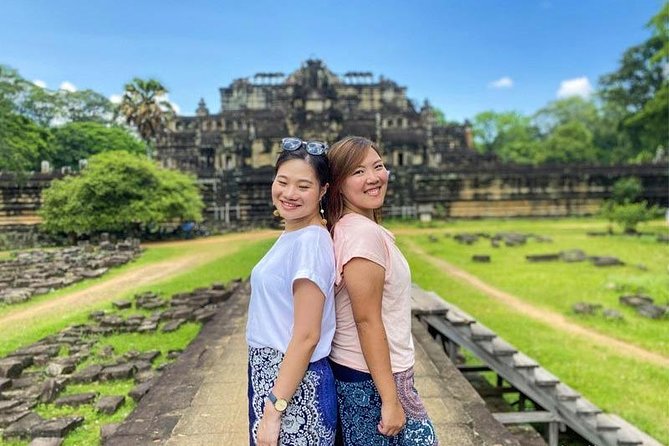
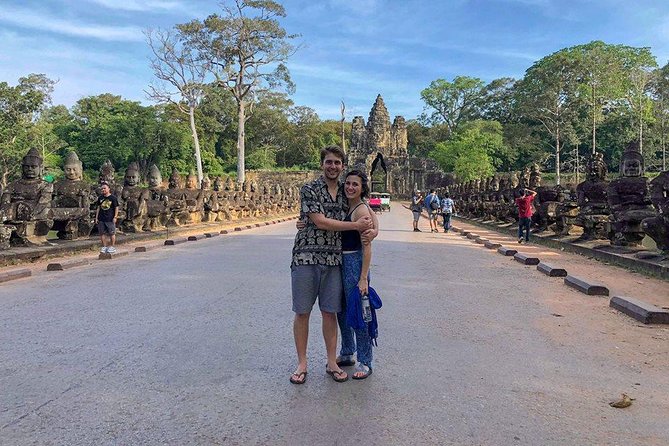
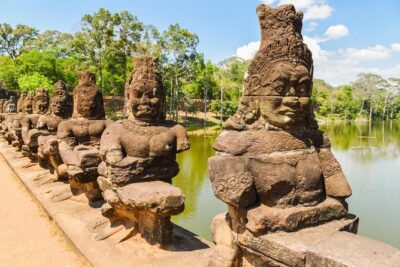
The next stop is a 15-minute photo break at the Victory Gate of Angkor Thom. It is brief, but it gives you a look at the monumental entrance to the ancient city and a chance to take photographs without adding a long detour.
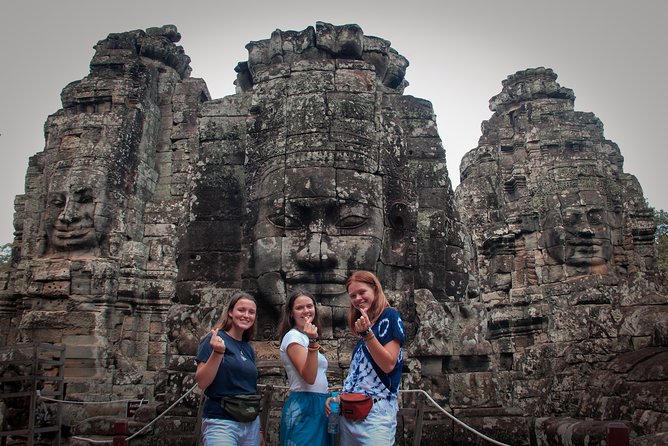
The main stop inside Angkor Thom is Bayon Temple, with about 45 minutes set aside for the visit. Bayon is famous for its serene stone faces, which look out from the towers in different directions. Their expressions are quiet and difficult to read, which gives the temple a very different mood from the grand symmetry of Angkor Wat and the tangled roots of Ta Prohm.
Bayon was built under King Jayavarman VII, a Mahayana Buddhist ruler. The temple also served as a place for worship, education, and administration. Your guide can connect the stone faces with the king’s building program and explain how the monument functioned as more than a photo setting.
Forty-five minutes is enough for an introduction, but it is a short visit for anyone who wants to study every face and carving. I would listen carefully at the start, then use the remaining time for photographs and a quiet look around. The stone towers can feel confusing at first, and a clear explanation helps you see how the temple is arranged.
The guide can shape the whole morning
The tour includes a professional English-speaking guide, and the assigned person may vary. Names connected with different departures include Phrem, Vone, Chy, John, Devid, and others. You should not assume you can select a particular guide unless the operator confirms it.
The strongest descriptions of the guiding focus on clear explanations of Cambodian history and mythology, detailed introductions to Angkor Wat, and stories about local community life. One guide, Chy, was also noted for helping with photographs, while Phrem was described as clear and kind in explaining the temples.
That matters because a shared tour can otherwise feel like a transport service with temple stops. Here, the guide is meant to give structure to the visit and help you understand what you are seeing. It is worth asking questions. If you want a detailed explanation of religious symbolism, ancient administration, or Cambodian customs, say so early in the day.
Communication styles can differ from guide to guide. The available information points to several strong English-speaking guides, but it does not guarantee a particular level of detail on every departure. The group size of up to 10 is still small enough for questions, which is a useful advantage over a large coach tour.
What the $23 price really covers
At $23 per person, this is an inexpensive way to arrange a full morning and early afternoon around the main Angkor sights. Hotel pickup and drop-off, air-conditioned transport, an English-speaking guide, breakfast, water, and cool towels are included.
The price becomes easier to judge once you add the required Angkor Pass. The pass costs $37 per person, making the basic combined cost about $60 before lunch and drinks. That is still fair if you want a guide and transport rather than arranging several separate rides and figuring out the park on your own.
The air-conditioning is not a luxury detail in Cambodia. After walking around sunlit stone temples, stepping into a cool car or minivan gives you a useful break. Water and cool towels are similarly practical. Several guide experiences specifically included repeated water bottles and cool towels during the day.
The tour is shared, so you give up some control over the pace. You cannot linger indefinitely at Angkor Wat or skip Bayon because you are tired. In return, you get a lower price and a planned route that covers the sites most first-time visitors want to see.
Who should book this experience
I would recommend it most strongly if you have one main day for Angkor and want the essential monuments arranged for you. It suits first-time visitors, couples, solo visitors who prefer company, and anyone who wants historical context without paying for a private car.
It is also a good fit if you value comfort. The air-conditioned vehicle, water, and towels help during a long day that begins before sunrise. The small maximum group size is another plus for anyone who wants to ask questions without speaking over a large crowd.
You may want a private tour instead if you want to spend half a day at Angkor Wat alone, set your own pace, or add other temples. This route is focused on Angkor Wat, Srah Srang, Ta Prohm, Angkor Thom, and Bayon. It does not include lunch, a waterfall, Banteay Srei, or a floating village.
Families can join because most people can participate, but the early start and amount of walking deserve thought. Young children may struggle with a 4:30 am pickup, and anyone who dislikes early mornings should consider a later temple visit. The tour lasts about eight hours, so it is not a quick sunrise outing.
Practical advice for getting the most from the day
Prepare for the pickup the night before. Keep your ticket money, phone, camera, and any breakfast extras together so you are not searching in the dark. Since the Angkor Pass is separate, budget for it before you leave.
Bring water even though water is supplied, especially if you prefer a particular drink. Lunch and beverages are not included. Wear clothes suitable for a religious site and shoes that can handle uneven temple surfaces.
Give yourself a few minutes to enjoy Angkor Wat before reaching for your camera. The light changes quickly, and the temple looks different every few minutes. At Ta Prohm, look beyond the most famous roots. The relationship between the tree growth and the stonework is the point of the visit.
Keep your expectations flexible. The route, group, and guide may vary slightly, and the weather may hide the actual sunrise. The cancellation terms allow a full refund if you cancel at least 24 hours before the start time. Changes made later are not accepted, and a weather or minimum-group cancellation can result in another date or a full refund.
Should you book the Angkor Wat sunrise experience?
Book it if you want the classic Angkor introduction at a sensible price, with transport, breakfast, and a guide already arranged. The combination of sunrise at Angkor Wat, Ta Prohm’s tree roots, and Bayon’s stone faces gives you a strong first look at the park.
Skip it if you need a slow, highly personal itinerary or dislike pre-dawn starts. Also remember that $23 is only the tour charge, not the complete expense. With the $37 temple pass added, the value is still good, but you should make that calculation before booking.
For many first visits to Siem Reap, this is a practical choice. You get the most famous sights, a small shared group, local breakfast, and simple comforts that matter once the heat arrives.
FAQ
What time does the tour begin?
Hotel pickup is scheduled between 4:30 and 5:00 am. The exact pickup time depends on your hotel and the shared route.
Is the Angkor Pass included?
No. The Angkor Pass costs $37 per person and must be purchased separately.
How much does the tour cost?
The tour price is $23 per person. This does not include the Angkor Pass, lunch, or beverages.
Which temples are included?
The route includes Angkor Wat, Ta Prohm, and Bayon Temple. It also includes a short photograph stop at the Victory Gate of Angkor Thom.
Is breakfast included?
Yes. Breakfast is provided during a one-hour stop in the village near Srah Srang.
Is hotel pickup included?
Yes. Hotel pickup and drop-off are included. The return drop-off is at your hotel or the Old Market area.
What transport is provided?
Transport is provided in an air-conditioned car or minivan. The group can include a maximum of 10 people.
Are water and towels included?
Yes. Free cool bottles of water and cool towels are provided during the tour.
What happens if the weather is poor?
The experience requires good weather. If it is canceled because of poor weather, you can be offered another date or a full refund.
Just added around Siem Reap
- Ultimate Sunrise to Angkor Wat, Angkor Thom and Bayon Temple★ 5.0 · 3 reviews
- Full-Day Private Tour of Angkor Wat with Pick Up★ 5.0 · 12 reviews
- Trekking Tour at Phnom Kulen National Park from Siem Reap★ 5.0 · 3 reviews
- Twilight Tastes of Siem Reap Include Dinner★ 5.0 · 13 reviews
- Siem Reap City Tour with War Museum and Killing Field★ 5.0 · 27 reviews
- Private Day Trip to Angkor Temples with Expert Guide★ 5.0 · 4 reviews
- Waterfall & River of 1000 Siva Linga- Kulen Mountain Private Tour★ 5.0 · 3 reviews
- Ultimate Siem Reap Food Tour by Tuk Tuk – 20 Tastings, 8 Stops★ 5.0 · 13 reviews
Angkor Wat Sunrise Tours, compared.
Angkor Wat Sunrise or Sunset Tour with Guide from Siem Reap
Read our review →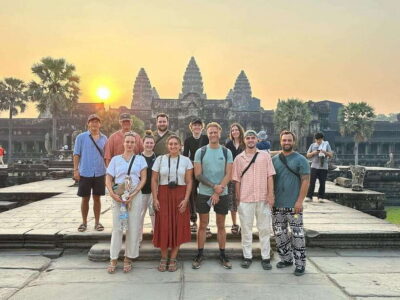
Angkor Wat: Small-Group Sunrise or Sunset Tour
Read our review →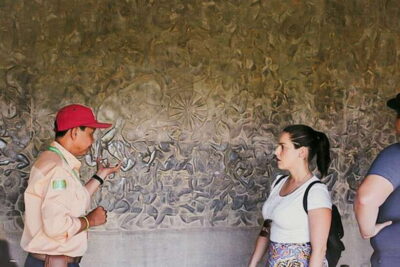
Angkor Wat 2-Day Tour with Sunrise and Sunset
Read our review →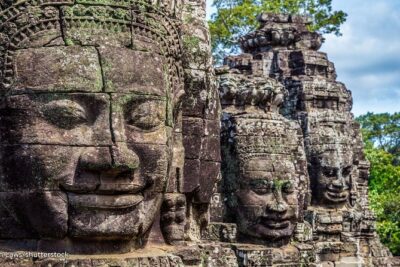
Angkor Wat Sunrise tour with Small – Group and Guide tours
Read our review →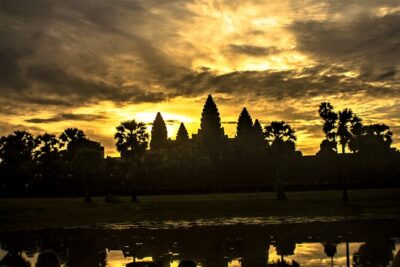
Angkor Wat Highlights and Sunrise Guided Tour from Siem Reap
Read our review →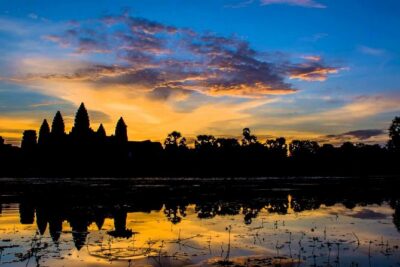
Full-Day Angkor Wat Sunrise Private Tour with Guide from Siem Reap
Read our review →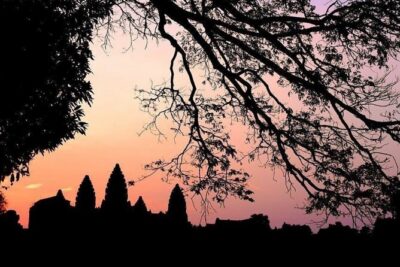
Angkor Wat Sunrise & 3 Main Temples with Breakfast – Small Group
Read our review →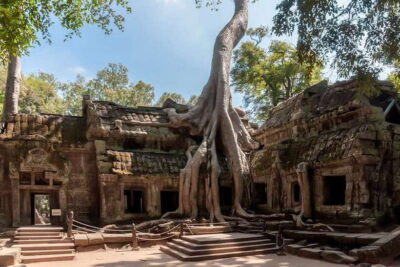
Angkor Wat Sunrise and Full-Day Sightseeing Tour
Read our review →Browse the lists this tour appears in