
Reviewed · ANGKOR WAT TOURS
2-Day Angkor Wat With Small, Big Circuit & Banteay Srei Tour
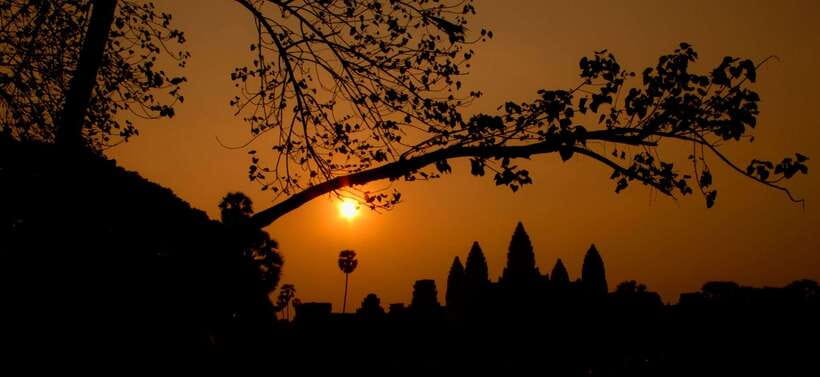
Angkor is far more than one temple. This private two-day tour takes you from the grand scale of Angkor Wat to jungle-wrapped Ta Prohm, the smiling stone faces of Bayon, and the delicate pink carvings at Banteay Srei. You also get both a sunrise and sunset, which makes the long temple days feel worthwhile.
I like the private guide setup, since your pace and interests can shape the day. I also like the small comforts: an air-conditioned vehicle, cold water, and wet face towels waiting at stops. The main drawback is simple: this is a packed plan, with early starts, plenty of walking, and a temple pass and meals added to the advertised price.
Key points at a glance
- Sunrise and sunset included: Start one day before breakfast at Angkor Wat and finish the other at Phnom Bakheng.
- Major and lesser-known temples: See Angkor Wat, Ta Prohm, Bayon, Baphuon, Preah Khan, Neak Pean, Ta Som, and more.
- Private touring: Your guide can adjust the pace and focus, rather than following a fixed group schedule.
- Pink sandstone at Banteay Srei: This richly carved temple sits beyond the main Angkor circuit, near villages and rice fields.
- Strong guide service: Bunhak and Chhay are praised for clear historical, religious, and cultural explanations.
- Comfort between ruins: Private air-conditioned transport, cold drinking water, and cool towels are included.
Two days that make sense of Angkor
Angkor can feel confusing if you simply move from one ruin to the next. The temples were built over several centuries, served different religious purposes, and vary greatly in scale. A good guide helps you notice those differences instead of treating every stone doorway as another photo stop.
This tour gives you a useful first look at the central temples on day one, then sends you farther out on day two. You get the famous sights, but also quieter places such as Ta Nei, Ta Som, and Banteay Samre. That mix is one of the tour’s best features.
The pace is not gentle. You may be outside for many hours, walking over uneven temple grounds and climbing steps. The private format helps, since you can ask to pause, spend longer at a favorite site, or move on when your attention starts to fade.
More Banteay Srei tours in Siem Reap:
- Full-Day Banteay Srei & 4 Temples – Grand Tours Join-in Tour
★ 5.0 · 1,155 reviews - Siem Reap Tour: Angkor Wat Sunrise, Bayon, Ta Prohm, Banteay Srei
★ 5.0 · 931 reviews - 2-Day Angkor Wat With Small, Big Circuit and Banteay Srei Tour
★ 5.0 · 545 reviews
Angkor Wat first, before the heat builds
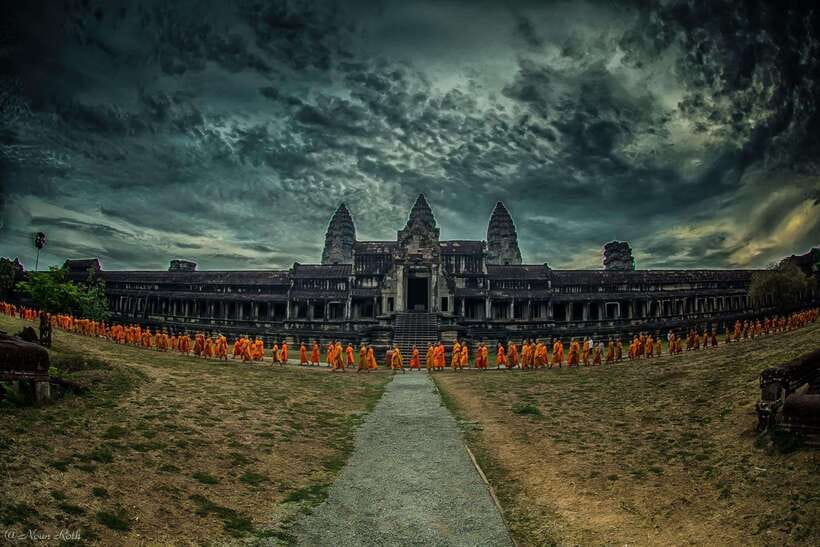
Your first morning begins at Angkor Wat, the enormous 12th-century religious complex that gives the whole region its name. You’ll have several hours here, which is important. The site is too large for a quick look, and the scale only becomes clear as you move from the outer grounds toward the central towers.
Your guide can explain the temple’s Hindu roots, its later Buddhist use, and the stories carved into its galleries. Look closely at the long bas-reliefs rather than rushing straight to the central sanctuary. The carvings provide a visual introduction to the beliefs and royal power behind Angkor.
The practical issue is timing. Angkor Wat is exposed, and the combination of heat, walking, and stone steps can wear you down. Bring modest clothing that covers shoulders and knees, use the supplied water, and keep some energy for the afternoon.
Ta Prohm and the famous tree roots
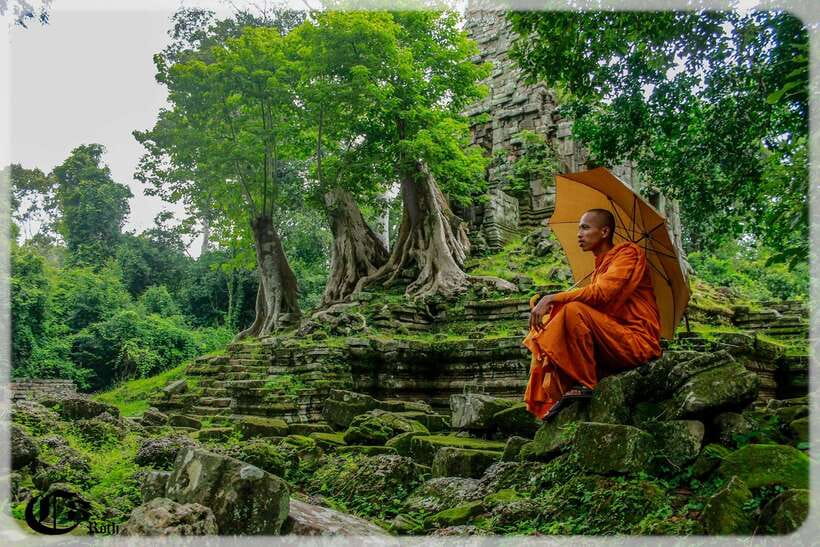
The small circuit continues to Ta Prohm, the temple best known to many people from Tomb Raider. Its appeal is not only the film connection. Giant tree roots press against walls and doorways, making it easier to picture how the jungle gradually swallowed parts of the city.
Ta Prohm is one of the most atmospheric stops on the route, but it can also be one of the busiest. Your private guide may help you enter and leave by different paths, as guide Chhay’s approach has done, and can point out better places for photographs. That matters here because the most famous root-covered spots quickly become crowded.
After several temples, you’ll stop for lunch at a local restaurant. Food is not included, so you should budget separately and expect to choose and pay for your own meal. The stop gives you a useful break before the afternoon’s long walk through Angkor Thom.
Ta Nei and Angkor Thom’s stone faces
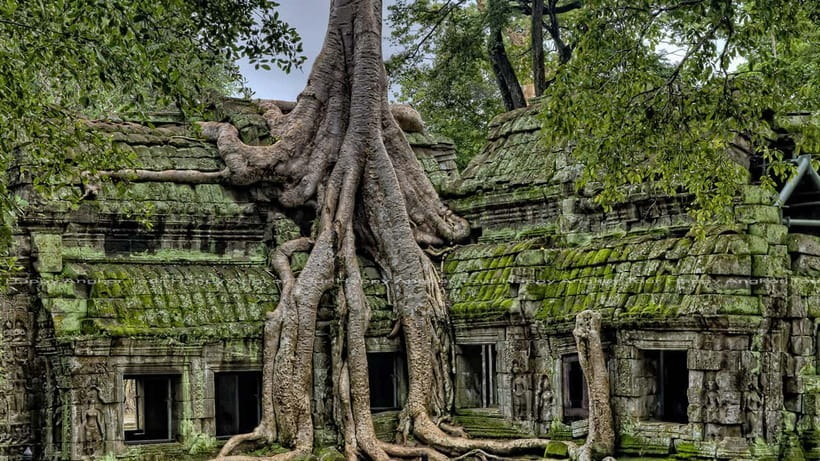
Ta Nei is a smaller temple that provides a welcome change after the grand scale of Angkor Wat. It is a good place to focus on details, stonework, and the way a smaller religious site fits into the wider Angkor complex.
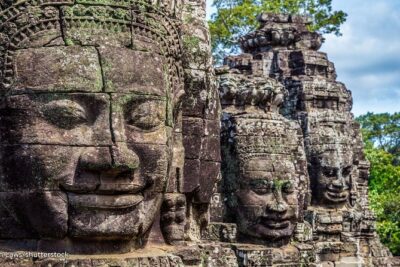
The route then moves to Angkor Thom through the Victory or Death Gate. The gate itself sets up the city’s scale, but the real centerpiece is Bayon. Its towers carry the famous smiling faces, creating one of Angkor’s most memorable views.
Your guide can help sort out what you are seeing here. Bayon is not just a collection of towers. Its carvings show daily life, battles, processions, and religious imagery. The faces are easy to photograph, but the lower galleries reward a slower look.
Nearby Baphuon has a different feel. This tall Hindu temple rises above the surrounding ruins and requires some effort to explore. Behind it, you’ll see the huge reclining Buddha formed from later additions to the temple. It is an unusual detail and easy to miss if you only visit the main approach.
More small and grand circuit tours in Siem Reap:
- Full-Day ‘Big Tour’ with Sunset at Phnom Bakheng
★ 5.0 · 341 reviews - Private sunrise ‘small tour’ of Angkor Wat with car or van & Guide
★ 5.0 · 179 reviews - Siem Reap: Banteay Srei and Grand Circuit Heritage Tour
★ 4.9 · 163 reviews - Banteay Srei and Grand Circuit Heritage Tour from Siem Reap
★ 5.0 · 142 reviews
Royal walls, terraces, and Phnom Bakheng sunset
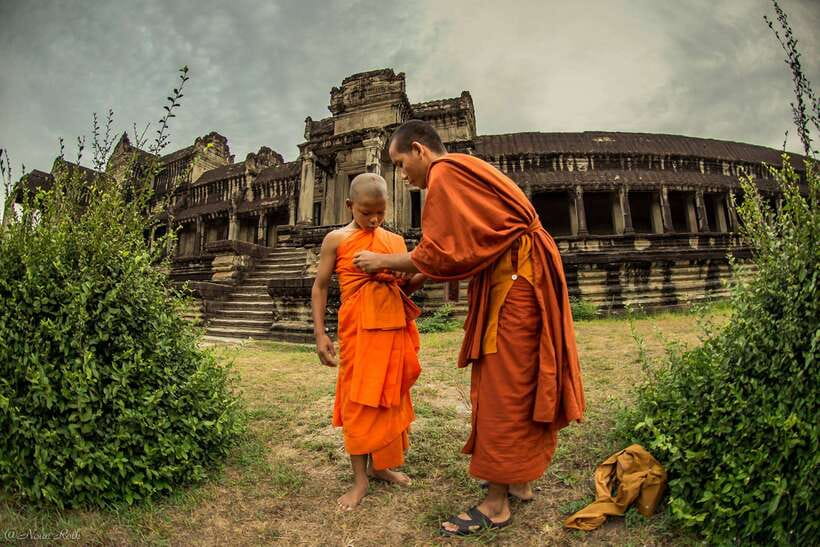
The afternoon continues through the Royal Enclosure Wall, Phimeanakas, the Elephant Terrace, the Leper King Terrace, and Palilay. These stops help fill in Angkor Thom as a former royal city, rather than a single monument.
The Elephant Terrace is especially easy to understand visually, with its carved animals and long ceremonial frontage. The Leper King Terrace has more complex reliefs, with figures packed into the walls. Palilay is quieter and gives you another look at the smaller temple forms scattered through the city.
The first day finishes at Phnom Bakheng for sunset. This is a popular viewpoint, and the climb adds another demand after a full day on foot. You should think of the sunset as a bonus, not a relaxed end to the day. If you are tired, tell your guide. The private setup allows some flexibility, although the tour’s stated plan is to finish here.
Sunrise at Angkor Wat requires an early alarm
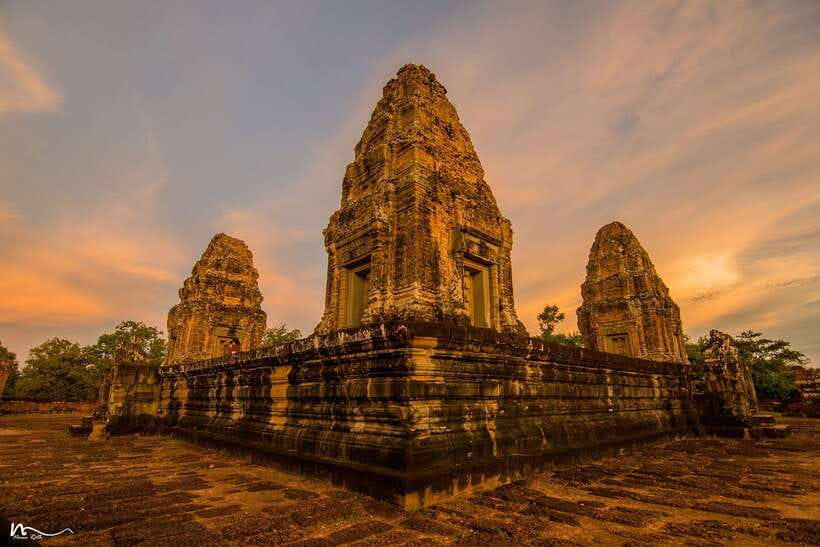
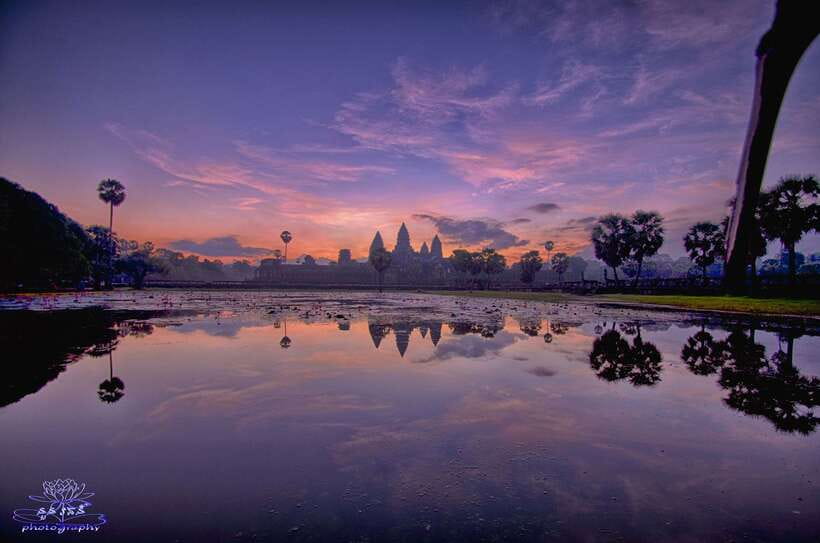
Day two starts early for sunrise behind Angkor Wat. You’ll return to the same great temple, but the light changes the view and gives you a different reason to notice its reflection pools, towers, and long entrance causeway.
The sunrise is included in the schedule, but breakfast is not. Afterward, you can return to your hotel for breakfast or stop at a restaurant. This is a useful arrangement if you prefer hotel food, though it also means the morning can become longer once transport and eating time are added.
Guide Bunhak is praised for finding strong photo positions, and the private format helps here. You do not have to stay locked into a large group’s pace. Still, sunrise means an early pickup, and you should not book this tour expecting leisurely mornings.
The Big Circle’s quieter stonework
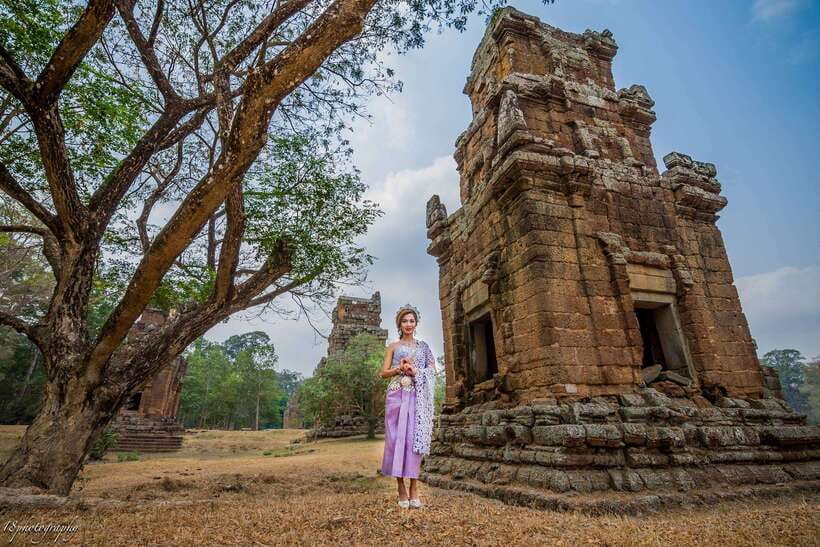
After breakfast, you’ll visit the temples on the Big Circle: Preah Khan, Neak Pean, Ta Som, East Mebon, and Pre Rup. These sites differ enough to keep the second day interesting.
Preah Khan is large and layered, with long corridors, carved doorways, and a mixture of religious influences. It rewards patient exploration, though its size can make it feel like a lot to absorb after the previous day.
Neak Pean is unlike the other temples on the route. Its central shrine sits within a pool system, and the water was part of the site’s religious design. The approach gives you a break from climbing, though you may find that the view is more about the overall arrangement than entering a large temple interior.
Ta Som is smaller and has its own tree-root details. It offers some of the jungle atmosphere associated with Ta Prohm, but on a more modest scale. East Mebon and Pre Rup are brick and stone temple mountains with broad upper levels. Both help you understand the older temple style and give you wide views over the surrounding countryside.
Lunch follows at a local restaurant, again at your own cost. You should treat the break as essential rather than optional. Two days of temple touring can be physically demanding, and skipping food to fit in another photograph is poor planning.
Banteay Srei’s pink sandstone and fine carvings
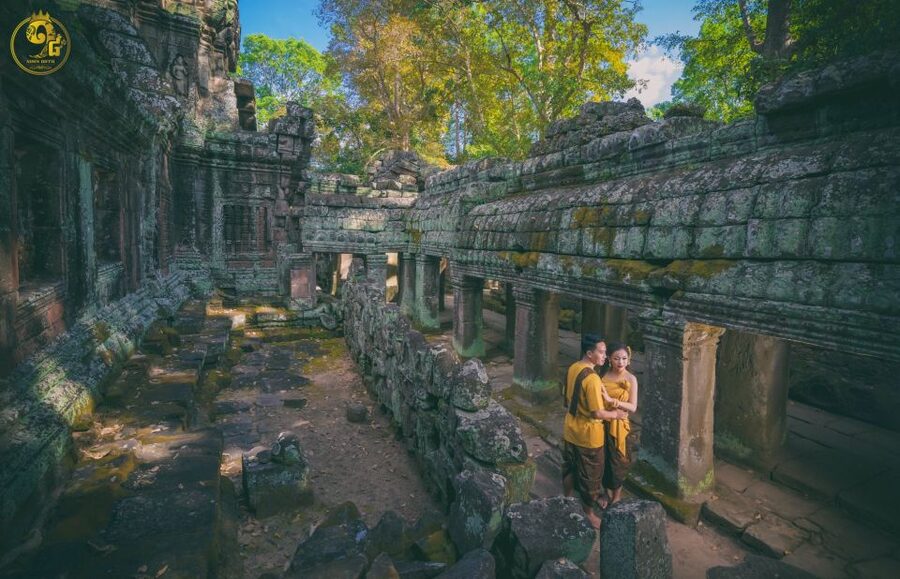
The drive toward Banteay Srei takes you out through villages and rice-paddy fields. This is one of the most valuable changes of scene in the program. You get a sense of rural Cambodia beyond the central temple zone, even though the main purpose remains the temple visit.
Banteay Srei is often called the Ladies Temple. It is built from pink sandstone and is smaller than Angkor Wat, but its carvings are unusually fine. The scale lets you study details around doorways, lintels, and false doors without feeling swallowed by a huge complex.
I would not compare it directly with Angkor Wat. Banteay Srei’s strength is precision, color, and decoration. Angkor Wat gives you grandeur; Banteay Srei gives you close-up craftsmanship. The extra drive is worthwhile if you care about sculpture and architectural detail.
Because Banteay Srei is outside the central group, the visit also makes the second day feel broader. You are not simply repeating the first day’s circuit. You are seeing how far the Angkor world extended and how different its temple designs could be.
Banteay Samre and Banteay Kdei to finish
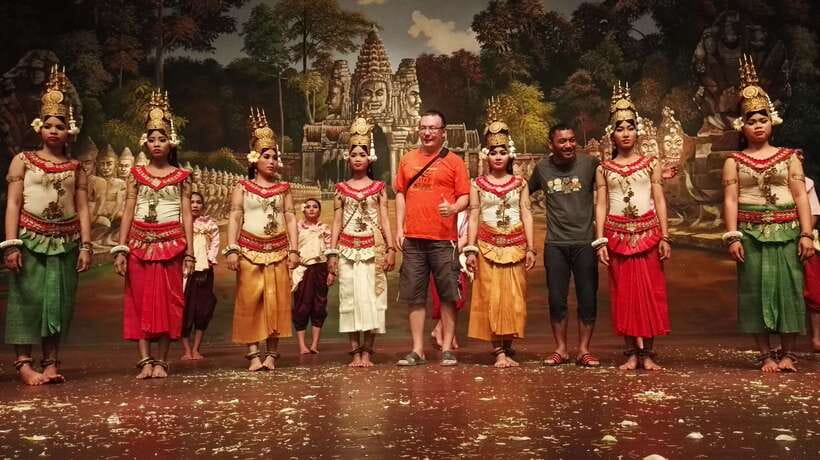
Banteay Samre follows Banteay Srei. Its structure has a compact, enclosed quality, with strong walls and detailed stonework. It is another useful contrast to the open scale of Angkor Wat and the jungle setting of Ta Prohm.
The final stop is Banteay Kdei. Its name and design connect it to the Buddhist temple tradition, and its worn corridors give you one last chance to look closely at construction, carvings, and the effects of time.
Ending with Banteay Kdei also means the tour finishes with a temple that feels different from the headline attractions. By then, you’ll have seen royal terraces, temple mountains, jungle roots, delicate sandstone, and large religious complexes. The day is long, but the range is impressive.
What the private format changes
The private group arrangement is more than a label. It gives you a guide who can explain the sites in English and respond to your questions. It also lets you adjust the pace to your interests, within the limits of the two-day schedule.
The strongest guide feedback centers on Bunhak and Chhay. Bunhak is praised for balancing historical, mythological, religious, and cultural information, while Chhay is praised for clear explanations and for helping visitors avoid the heaviest flows around the temples. You cannot assume which guide will lead your tour, but these names show the kind of service to look for.
The drivers also matter. Sreang and That receive praise for attentive service, and the tour includes private air-conditioned transport. A good vehicle becomes especially valuable after temple walks, when cold water and a cool towel make the next stop feel much easier.
The tour includes cool drinking water and face towels, but not meals. It also does not include the temple pass. You’ll need a two or three-day pass costing $62 per person, while children under 12 enter free. Check the current pass rules before booking, but use that figure when estimating the real cost.
Is $136 a fair price?
The advertised cost is $136 per person. Add the $62 temple pass, and the basic total becomes $198 per person before lunch and breakfast. That is not a budget temple outing, but it covers two days of private transportation, an English-speaking guide, hotel pickup and drop-off, water, and towels.
The value is strongest if you are traveling with someone who wants a private experience and prefers not to arrange transport, route planning, and temple explanations separately. It is also useful if you want both major circuits and Banteay Srei in one organized plan.
The value is weaker if you want short visits, late mornings, or a cheap way to see only Angkor Wat. In that case, this program asks you to pay for a full two-day schedule that you may not use. You should also remember that food costs continue during both days.
Who should book this Angkor tour?
I would choose this tour if you have two days in Siem Reap and want a broad introduction without managing the route yourself. It suits first-time visitors who want the famous sites, but also want smaller temples and a countryside drive.
It is a good match for couples, families with older children, or small private groups who value flexible pacing. The free cancellation option up to 24 hours before the start and reserve-now, pay-later booking can also help if your plans are still changing.
I would hesitate if you dislike early mornings, long outdoor days, or repeated temple walking. The sunrise and sunset are memorable parts of the schedule, but they make the two days demanding. If you need a slower plan, ask the guide to reduce the number of stops rather than trying to force every temple into the day.
Should you book it?
Book this tour if you want the full Angkor picture in two busy but well-planned days: grand Angkor Wat, film-famous Ta Prohm, Bayon’s faces, quieter Big Circle temples, and the fine pink sandstone of Banteay Srei.
Before paying, add the $62 temple pass and your meals to the advertised price. Then decide if private transport, a live English-speaking guide, sunrise, sunset, cold water, and flexible pacing are worth the extra cost. For many visitors, that combination makes the price reasonable. Just arrive ready for long days, early alarms, and plenty of walking.
FAQ
What does the two-day Angkor tour include?
The tour includes hotel pickup and drop-off, private air-conditioned transportation, an English-speaking guide, cool drinking water, and face towels.
Is the Angkor temple pass included?
No. The temple pass is separate. A two or three-day pass costs $62 per person, and children under 12 have free entrance.
Are meals included?
No. Breakfast and lunch are not included, but you can eat at your hotel or purchase meals at local restaurants during the tour.
What language does the guide speak?
The live tour guide speaks English.
Is this a private tour?
Yes. The tour is arranged for a private group, and the itinerary can be adjusted with your private guide to suit your interests.
Does the tour include Angkor Wat sunrise and sunset?
Yes. Day one finishes with sunset from Phnom Bakheng, and day two begins with sunrise at Angkor Wat.
What temples will I visit?
The route includes Angkor Wat, Ta Prohm, Ta Nei, Angkor Thom, Bayon, Baphuon, Preah Khan, Neak Pean, Ta Som, East Mebon, Pre Rup, Banteay Srei, Banteay Samre, and Banteay Kdei, along with several Angkor Thom monuments.
More Angkor Wat tours in Siem Reap
- Angkor Wat Sunrise or Sunset Tour with Guide from Siem Reap
★ 5.0 · 12,109 reviews - Siem Reap: Angkor Wat: Small-Group Sunrise or Sunset Tour
★ 5.0 · 9,444 reviews - Siem Reap: Full-Day Angkor Wat Guided Tour with Sunset
★ 4.9 · 3,803 reviews - Angkor Wat Sunrise tour with Small – Group and Guide tours
★ 5.0 · 3,655 reviews
More multi-day trips from Siem Reap
- Siem Reap: Angkor Wat 2-Day Tour with Sunrise and Sunset
★ 4.9 · 4,429 reviews - Angkor 2-Day Sunset & Sunrise Small-Group Tour
★ 5.0 · 2,567 reviews - 2 Days Exclusive Temple Highlights with Sunset and Sunrise Tour
★ 5.0 · 1,157 reviews - Siem Reap: Angkor Sunrise 1- or 2-Day Guided Temples Tour
★ 4.9 · 1,132 reviews
Just added around Siem Reap
- Ultimate Sunrise to Angkor Wat, Angkor Thom and Bayon Temple★ 5.0 · 3 reviews
- Full-Day Private Tour of Angkor Wat with Pick Up★ 5.0 · 12 reviews
- Trekking Tour at Phnom Kulen National Park from Siem Reap★ 5.0 · 3 reviews
- Twilight Tastes of Siem Reap Include Dinner★ 5.0 · 13 reviews
- Siem Reap City Tour with War Museum and Killing Field★ 5.0 · 27 reviews
- Private Day Trip to Angkor Temples with Expert Guide★ 5.0 · 4 reviews
- Waterfall & River of 1000 Siva Linga- Kulen Mountain Private Tour★ 5.0 · 3 reviews
- Private Two Days Siem Reap Temples Discovery Guided Tour★ 5.0 · 7 reviews
Angkor Wat Tours, compared.
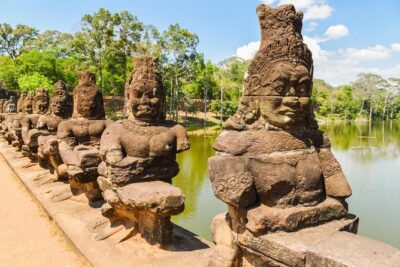
Angkor Wat Sunrise or Sunset Tour with Guide from Siem Reap
Read our review →
Angkor Wat: Small-Group Sunrise or Sunset Tour
Read our review →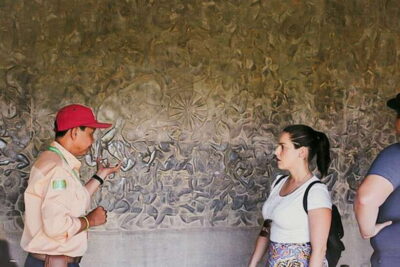
Angkor Wat 2-Day Tour with Sunrise and Sunset
Read our review →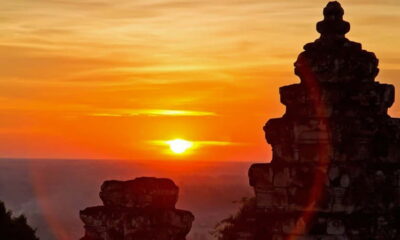
Angkor Wat Sunrise tour with Small – Group and Guide tours
Read our review →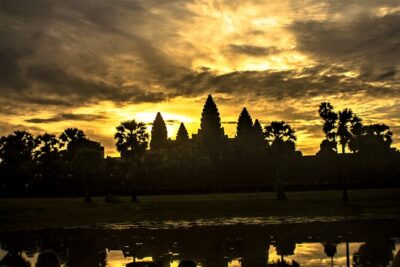
Angkor Wat Highlights and Sunrise Guided Tour from Siem Reap
Read our review →
Angkor Wat Sunset Small Group Tour with Lunch Included
Read our review →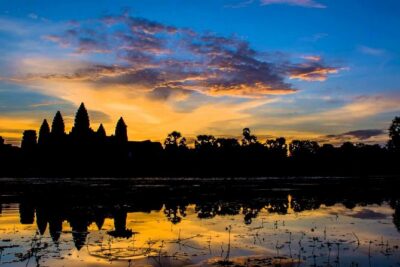
Full-Day Angkor Wat Sunrise Private Tour with Guide from Siem Reap
Read our review →Browse the lists this tour appears in