
Reviewed · ANGKOR WAT TOURS
2-Day Angkor Wat, Banteay Srei & Floating Village Kampong Pluk
Angkor Wat is only the beginning here. This private two-day trip links the famous temple with tree-covered Ta Prohm, the smiling faces of Bayon, quiet Ta Nei, pink sandstone Banteay Srei, and a boat ride through Kampong Phluk on Tonle Sap Lake. The variety is the real strength.
I like the private format, which lets you pause for photos or adjust the pace with your guide. I also like the mix of grand monuments and smaller sites, especially Ta Nei and Preah Palilay, where the crowds can thin. Guides such as Chhay, Vanna, Lonn, and Bun are praised for clear history, cultural detail, and helpful photography. The main drawback is the schedule: two sunrise or sunset outings, long temple walks, and many stops make this a full two days.
Key points to know before booking
- Two very full days: You visit the major Angkor temples, remote Banteay Srei, and a Tonle Sap village in about 48 hours.
- Private guiding: Only your own group participates, with an English-speaking guide, driver, and air-conditioned vehicle.
- Sunrise and sunset included: Angkor Wat sunrise begins around 5:00 a.m., while Phnom Bakheng sunset requires a hill climb and waiting time.
- Several important costs are extra: The Angkor pass is $62, the Kampong Phluk boat ticket is $20, and lunch is about $5 per person.
- Strong guide service: Chhay, Vanna, Lonn, and Bun receive special praise for temple knowledge, storytelling, flexibility, and taking photos.
- A good family choice: Private transport, hotel pickup, drinking water, towels, and a flexible setting make the long days easier for families.
Why this two-day Angkor plan works
At $166 per person, this is not a bare-bones temple transfer. You are paying for a private guide, driver, hotel pickup and drop-off, air-conditioned transport, parking, road tolls, drinking water, and towels. The price becomes easier to judge once you add the required costs: $62 for the Angkor pass, $20 for the Kampong Phluk private boat, and roughly $5 per lunch.
That brings the known total to about $253 per person before any other food or personal spending. It is a fairer deal for a couple or family that values private transport and guiding than for a solo visitor trying to spend as little as possible.
The plan is also efficient. Day one concentrates on the central Angkor area, while day two combines sunrise, Tonle Sap Lake, and the temples farther out toward Banteay Srei. You do not waste time changing vehicles or arranging separate rides between each site.
The tradeoff is energy. You are not simply checking off three temples and returning to the hotel. Day one begins at 8:00 a.m. and can run into sunset. Day two begins at 5:00 a.m., includes a four-hour village visit, then returns to temple grounds in the afternoon. I would book this for someone who wants broad coverage and can handle early mornings.
More Banteay Srei tours in Siem Reap:
- Full-Day Banteay Srei & 4 Temples – Grand Tours Join-in Tour
★ 5.0 · 1,155 reviews - Siem Reap Tour: Angkor Wat Sunrise, Bayon, Ta Prohm, Banteay Srei
★ 5.0 · 931 reviews - 2-Day Angkor Wat With Small, Big Circuit and Banteay Srei Tour
★ 5.0 · 545 reviews
Day one begins with Angkor Wat at 8:00 a.m.
Your guide meets you in the hotel or guesthouse lobby at 8:00 a.m. The group stops to buy the temple pass before entering the park, so the pass is not included in the tour price. Angkor Wat itself receives about two hours.
This is the essential first look at the Khmer capital’s grandest monument. Give your guide room to explain the temple’s religious purpose, layout, and carved details rather than treating it as a quick photo stop. Two hours is useful, but it will not cover every corner at a slow pace.
You should wear shoes suitable for uneven temple paths and bring sun protection. The tour provides cool drinking water and towels, a small but welcome comfort in Cambodia’s heat.
Ta Prohm shows nature pushing through stone
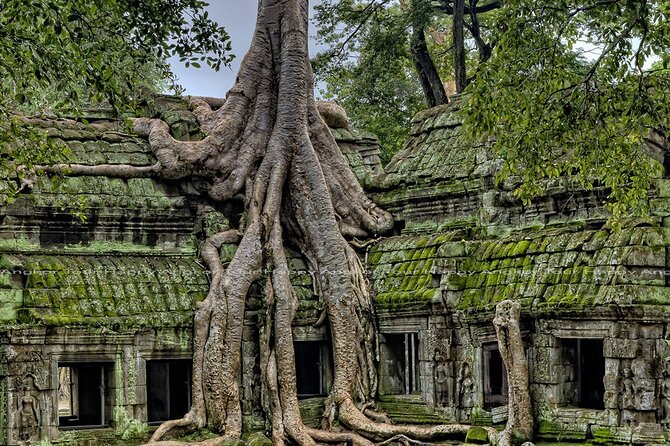
Ta Prohm follows on the small circuit road and gets another two hours. This is the temple most visitors associate with enormous tree roots spreading over old stone walls. Its connection with the film Tomb Raider has made it famous, but the setting is more than a movie backdrop.
The roots, fallen blocks, narrow passages, and half-restored sections give Ta Prohm a different mood from Angkor Wat. I like the contrast. Angkor Wat feels ordered and monumental, while Ta Prohm lets you see how time and tropical growth have altered the site.
This stop can be crowded, and the two-hour visit may feel long if you only want the most photographed corners. Your private guide can help you spend more time on carvings and structure instead of waiting at one popular viewpoint.
Quiet Ta Nei offers a break from the main circuit
Ta Nei takes about 45 minutes. It is a smaller temple with less restoration, surrounded by large trees, and is included for people who want a quieter stop.
Do not expect the scale of Angkor Wat or Bayon. Ta Nei’s value is its atmosphere and contrast. After a major monument, a modest, wooded sanctuary can help the morning feel less like a parade of famous names.
This is also one of the stops where a guide adds real value. Without context, the partly restored ruins can seem brief. With an explanation of its setting and construction, the stop becomes a useful look at a less polished side of Angkor.
More Tonle Sap floating village trips in Siem Reap:
- From Siem Reap: Kampong Phluk Floating Village Tour by Boat
★ 4.9 · 6,979 reviews - Sunset tour of Kampong Phluk stilts home village on the Tonle Sap
★ 5.0 · 4,865 reviews - Kompong Phluk Floating Village Half-Day Tour ( Morning / Sunset )
★ 5.0 · 1,494 reviews - Siem Reap: Kulen Mountain, Beng Mealea and Tonle Sap Tour
★ 5.0 · 1,483 reviews
Angkor Thom brings the famous faces
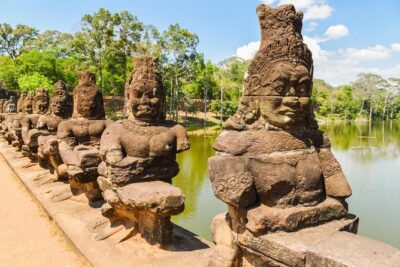
The tour enters Angkor Thom at the Victory Gate, on the east side, for a short photo stop of about 15 minutes. The gate is a quick introduction to the walled city before you continue to Bayon.
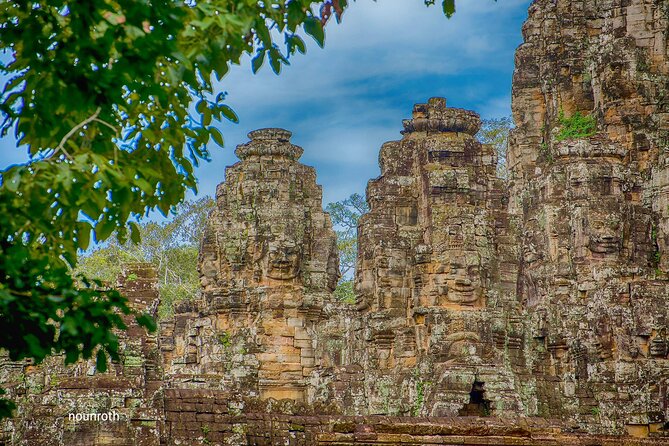
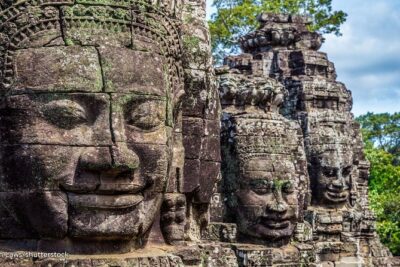
Bayon gets about 45 minutes. Its towers carry multiple faces of the Buddhist figure Avalokitesvara, creating the famous smiling-face effect. The supplied details describe 49 towers and 196 faces, though you will not need to count them to understand the temple’s appeal.
Bayon can feel confusing without a guide because its towers and corridors crowd together. A good explanation helps you see how the faces relate to the temple’s design and religious purpose. Chhay, Vanna, Lonn, and Bun have all been praised for explaining history, art, religion, and local culture in a way that keeps the visit engaging.
Baphuon and the royal terraces fill out Angkor Thom
Baphuon takes about 45 minutes. This Hindu temple predates Angkor Wat and dates to the 11th century. Behind it is a large reclining Buddha added in the 16th century, giving the site more than one historical layer.
The route then continues through Phimeanakas, the Royal Enclosure Wall, the Terrace of the Elephants, and the Terrace of the Leper King. Phimeanakas is a 10th-century pyramid temple once located at the center of the old royal palace area. You have about 20 minutes there.
The Terrace of the Elephants gets 15 minutes. Its carved elephants and royal viewing platform help explain how the ceremonial center functioned. The nearby Terrace of the Leper King also gets 15 minutes and adds another carved platform to the walk.
These stops are short, but together they make Angkor Thom more than a Bayon photo opportunity. The drawback is that the afternoon can start to feel like a rapid series of ruins. If you want long, quiet study at each structure, this plan will feel brisk.
Preah Palilay is a final short detour, with about 10 minutes among the wooded remains of a small Buddhist sanctuary. It is easy to appreciate this stop precisely because it is modest. The trees and less formal setting provide a little breathing room before the final climb.
Phnom Bakheng sunset requires patience and stamina
The final stop is Phnom Bakheng, a hilltop temple reached by climbing uphill. The schedule allows about two hours, including time to wait for sunset. If you do not want to wait, you can skip the sunset portion.
This is an important practical point. Sunset is not a quick add-on after an easy day. By then, you have already walked through several temple areas, and the climb may feel demanding. The reward is a broad evening view from the hill, but sunset conditions are never guaranteed.
I would keep the option open rather than treating it as mandatory. If your group still has energy, it can be a memorable finish. If children are tired or the heat has taken its toll, leaving Phnom Bakheng out may make the whole day more pleasant.
Day two starts before dawn at Angkor Wat
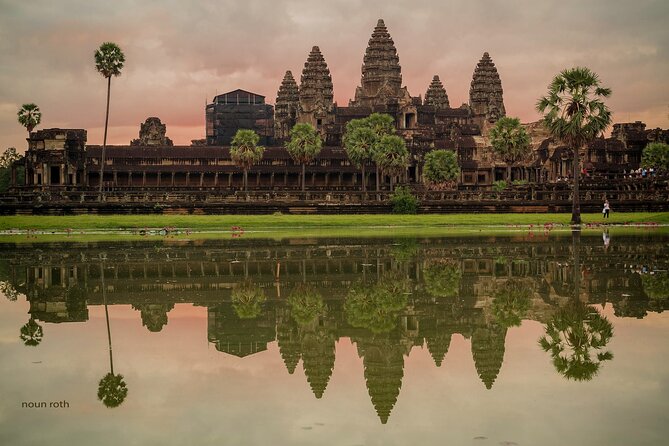
Pickup begins around 5:00 a.m. for sunrise at Angkor Wat. The sunrise portion lasts about one hour and 45 minutes, after which you return for breakfast before heading to Tonle Sap Lake.
The early start is unavoidable if sunrise is a priority, so arrange breakfast with your accommodation in advance if possible. The tour data confirms the pickup and return for breakfast, but it does not promise a hotel breakfast box.
Sunrise adds a different view of Angkor Wat than the previous morning visit. You see the temple in changing light, then have time to return to the hotel before the next major outing. Still, the start is very early, and you should not book this schedule expecting leisurely mornings.
Kampong Phluk gives the temples a human setting
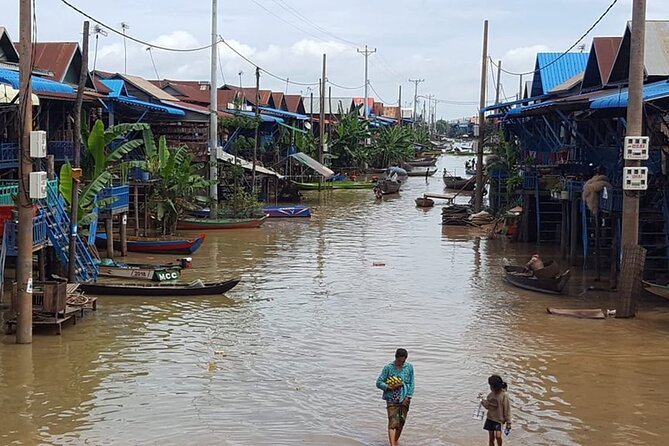
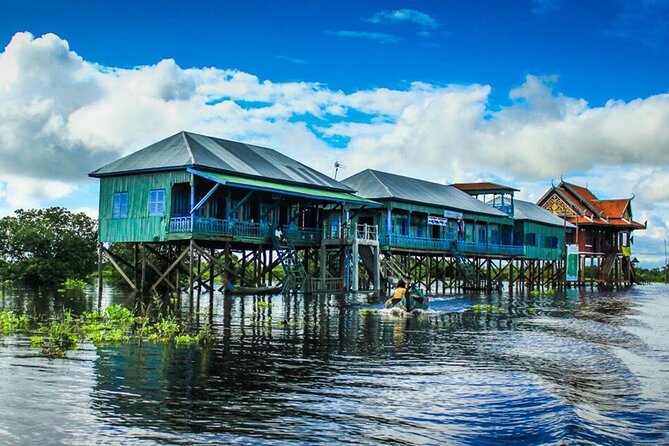
After breakfast, the tour drives to Kampong Phluk for a visit to Tonle Sap Lake. The village portion lasts about four hours and includes a private boat ride. You cruise past stilt houses and fishing communities, seeing how homes and daily life are shaped by the lake.
This is an important change of pace. The temple stops focus on stone, religion, and royal power. Kampong Phluk shows a living community connected to fishing and changing water levels. It gives the trip a wider view of Cambodia than an Angkor-only schedule.
The boat ticket is not included. Expect to pay $20 per person for the Tonle Sap and floating village ticket with private boat ride. That extra charge should be included in your budget from the start.
Four hours is a substantial portion of day two. If you care most about temples, you may find the village visit too long. If you want local life and a break from stone ruins, it is one of the most worthwhile parts of the plan.
Banteay Srei is the afternoon highlight
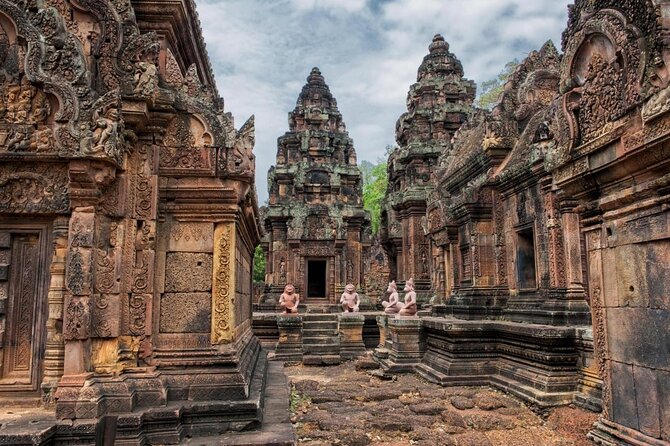
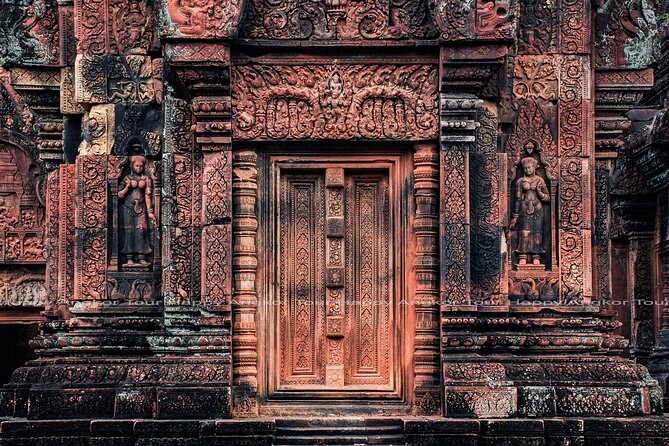
After lunch, you visit Banteay Srei, also called the Ladies Temple. The temple was built from pink sandstone in the 10th century and is dedicated to Hindu deities. The visit lasts about one hour.
Banteay Srei is smaller than Angkor Wat, but its fine pink sandstone carvings give it a distinct character. It is often described as the jewelry of Angkor, a fitting comparison for a temple valued for delicate detail rather than size.
The longer drive out to Banteay Srei is one reason this private tour is useful. You can use the vehicle between sites instead of arranging a separate excursion. The one-hour stop is enough for an introduction, though anyone who enjoys close study of carvings may wish for more time.
Banteay Samre and Pre Rup add variety
Banteay Samre receives about 45 minutes. This 12th-century Hindu temple is often compared in design with Angkor Wat, although the facts about its original purpose and construction are not fully certain.
That uncertainty is worth hearing from a guide. Ancient sites do not always come with complete records, and a good explanation should separate what is known from what is believed. Banteay Samre makes a useful bridge between the better-known monuments and the smaller temples.
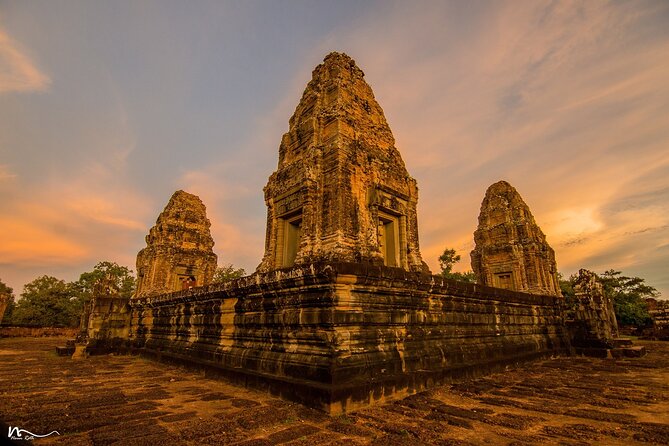
Pre Rup follows for about 30 minutes. Built in the late 10th century and dedicated to Hindu gods, it is associated with the phrase turn the body and with beliefs about funerary use. It gives you another example of a temple built in a different period and style from the later Bayon-area sites.
Banteay Kdei closes the temple circuit
The last stop is Banteay Kdei, with about 45 minutes. This Buddhist temple dates to the 12th century and shares stylistic links with Ta Prohm and Bayon.
Ending here makes sense. You have already seen Ta Prohm’s roots and Bayon’s faces, and Banteay Kdei lets you notice related design ideas without the same fame or scale. By this point, though, fatigue is likely. You may appreciate a quiet final walk more than another major monument.
Guides, drivers, and the private format
The guide is central to the value of this trip. Names praised for strong service include Chhay, Vanna, Lonn, and Bun. Specific strengths include historical and architectural explanations, cultural context, a friendly manner, flexibility, and photography.
Chhay is noted for taking excellent pictures, while Vanna receives repeated praise for clear explanations and a thoughtful approach. Bun is described as experienced and helpful with family photos. Drivers including Sreang, San, Path, Dat, and Lis are praised for friendly service and dependable support.
You cannot request a particular guide based on the supplied information, so treat those names as examples rather than a promise. The important point is that the operation uses a guide and separate driver, not a bare vehicle rental.
Only your own group participates. That matters for families, couples, or friends who want to stop for photos without waiting for strangers. It also gives you a better chance to adjust the pace, though major timing points such as sunrise and sunset still shape the day.
Who should book this tour
I would choose this trip if you want the major Angkor landmarks plus smaller temples and Tonle Sap Lake in one organized package. It suits families particularly well because pickup, air-conditioning, towels, water, and private transport remove several daily hassles.
It also suits first-time visitors who want explanations rather than simply a driver who points toward temple entrances. The English-speaking guide is licensed, and the strong guide feedback makes the service a major part of the price.
I would hesitate if you dislike early mornings, long walking days, or a packed schedule. Independent visitors who want to spend half a day at one temple may prefer a slower plan. You should also be comfortable paying the required extras, since the advertised price does not include admission, lunches, or the floating village boat.
Cancellation is free up to 24 hours before the local start time. Changes or cancellations inside that window are not accepted for a refund.
Should you book it?
Book this two-day tour if you want an efficient, private introduction to Siem Reap with strong guide support and a good mix of famous and quieter sites. The best features are the private vehicle, the range of temples, the sunrise and sunset options, and the human side of Kampong Phluk.
Skip it if you want slow temple mornings or a low-cost visit with few extras. For most families, couples, and first-time visitors with limited time, the schedule offers good coverage, provided you accept the early starts and full days.
FAQ
How long is the tour?
The tour lasts approximately two days. Day one runs from an 8:00 a.m. pickup through the Phnom Bakheng sunset option, while day two begins around 5:00 a.m. for Angkor Wat sunrise.
Is hotel pickup included?
Yes. Pickup and drop-off at your hotel or guesthouse are included.
Is this a group tour?
No. This is a private tour, so only your own group participates.
Is an English-speaking guide included?
Yes. The tour includes an English-speaking licensed guide.
Is the Angkor temple pass included?
No. The Angkor pass and temple admission are extra. The listed cost is $62 per person.
Is the Kampong Phluk boat ride included?
No. The Tonle Sap Lake and floating village ticket with a private boat ride costs $20 per person.
Are meals included?
No. Lunch is not included. The stated guide price for lunch is about $5 per person, depending on the menu.
What is included besides the guide and vehicle?
The package includes hotel pickup and drop-off, an air-conditioned vehicle with driver, parking fees, road tolls, cool drinking water, and towels.
More Angkor Wat tours in Siem Reap
- Angkor Wat Sunrise or Sunset Tour with Guide from Siem Reap
★ 5.0 · 12,109 reviews - Siem Reap: Angkor Wat: Small-Group Sunrise or Sunset Tour
★ 5.0 · 9,444 reviews - Siem Reap: Full-Day Angkor Wat Guided Tour with Sunset
★ 4.9 · 3,803 reviews - Angkor Wat Sunrise tour with Small – Group and Guide tours
★ 5.0 · 3,655 reviews
More multi-day trips from Siem Reap
- Siem Reap: Angkor Wat 2-Day Tour with Sunrise and Sunset
★ 4.9 · 4,429 reviews - Angkor 2-Day Sunset & Sunrise Small-Group Tour
★ 5.0 · 2,567 reviews - 2 Days Exclusive Temple Highlights with Sunset and Sunrise Tour
★ 5.0 · 1,157 reviews - Siem Reap: Angkor Sunrise 1- or 2-Day Guided Temples Tour
★ 4.9 · 1,132 reviews
Just added around Siem Reap
- Ultimate Sunrise to Angkor Wat, Angkor Thom and Bayon Temple★ 5.0 · 3 reviews
- Full-Day Private Tour of Angkor Wat with Pick Up★ 5.0 · 12 reviews
- Trekking Tour at Phnom Kulen National Park from Siem Reap★ 5.0 · 3 reviews
- Twilight Tastes of Siem Reap Include Dinner★ 5.0 · 13 reviews
- Siem Reap City Tour with War Museum and Killing Field★ 5.0 · 27 reviews
- Private Day Trip to Angkor Temples with Expert Guide★ 5.0 · 4 reviews
- Waterfall & River of 1000 Siva Linga- Kulen Mountain Private Tour★ 5.0 · 3 reviews
- Private Two Days Siem Reap Temples Discovery Guided Tour★ 5.0 · 7 reviews
Angkor Wat Tours, compared.
Angkor Wat Sunrise or Sunset Tour with Guide from Siem Reap
Read our review →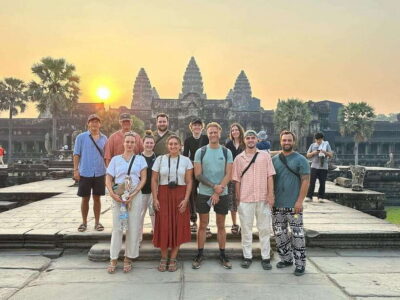
Angkor Wat: Small-Group Sunrise or Sunset Tour
Read our review →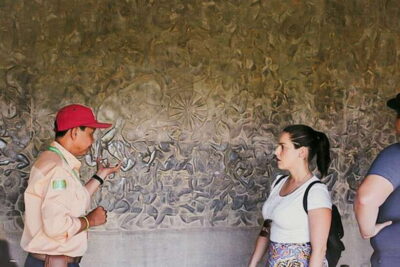
Angkor Wat 2-Day Tour with Sunrise and Sunset
Read our review →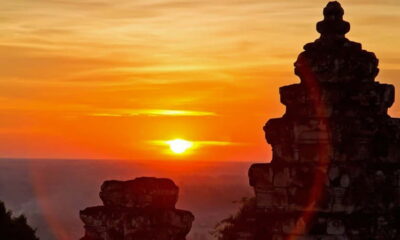
Angkor Wat Sunrise tour with Small – Group and Guide tours
Read our review →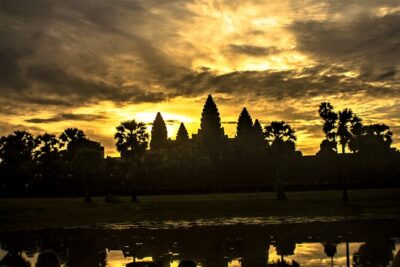
Angkor Wat Highlights and Sunrise Guided Tour from Siem Reap
Read our review →
Angkor Wat Sunset Small Group Tour with Lunch Included
Read our review →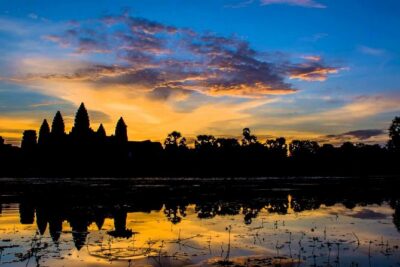
Full-Day Angkor Wat Sunrise Private Tour with Guide from Siem Reap
Read our review →Browse the lists this tour appears in