
Reviewed · TONLE SAP FLOATING VILLAGE TOURS
Siem Reap: Kompong Khleang Floating Village Guided Tour
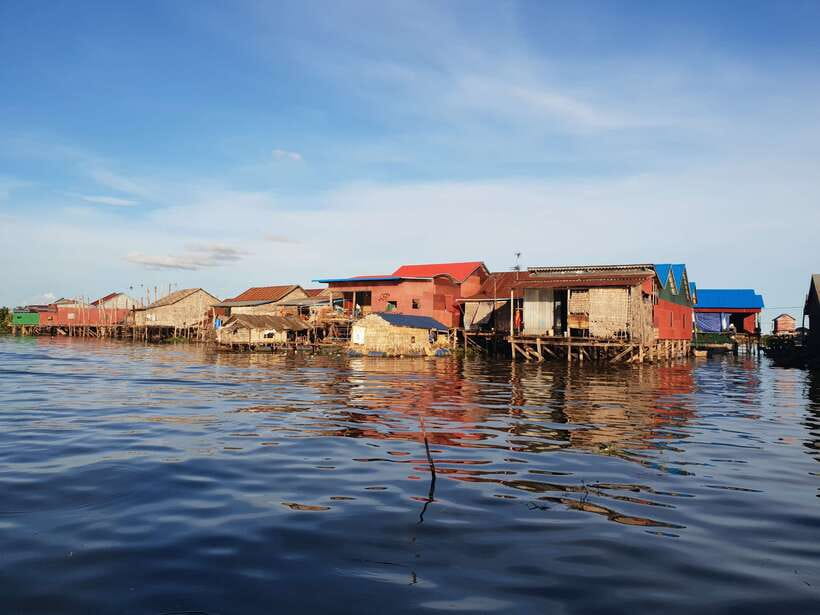
Kompong Khleang gives you a close look at life shaped by Tonle Sap Lake, not a quick photo stop beside a tourist market. In the wet season, water reaches the homes and channels; in the dry season, the village’s tall stilts become the main sight. I like the quiet countryside drive and the chance to see how fishermen and farmers adjust to the lake’s changing level.
I also like that the tour is priced at $100 for up to three people, so a small private group can get solid value from the six-hour outing. Guides such as Dara have been praised for their humor, patience, and clear explanations. The main drawback is the extra $20 per adult for entry and the private boat, plus the long drive from Siem Reap.
Key things to know about Kompong Khleang
- About 50 kilometers from Siem Reap: The road journey takes you past rice fields, village homes, and rural Cambodia before you reach the lake.
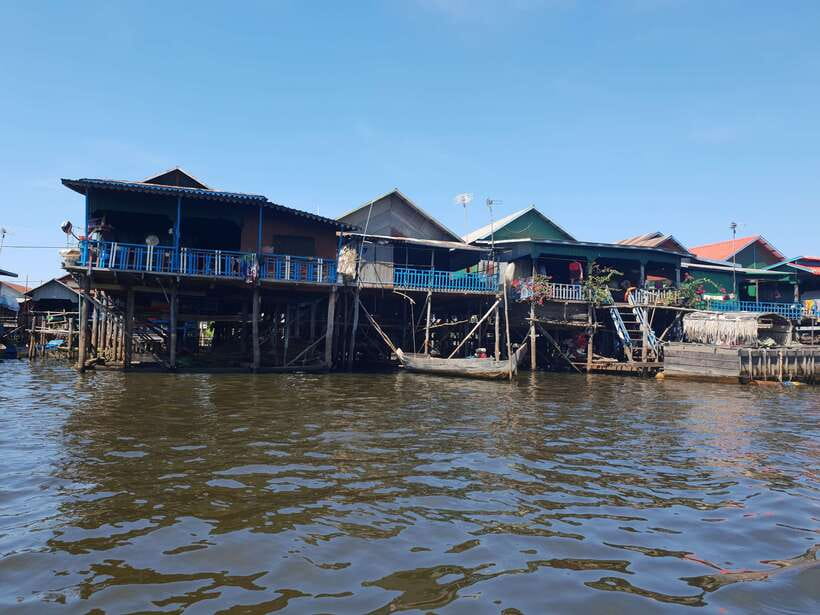
- A seasonal village: Wet-season water can make the houses look as if they float, while dry-season views reveal tall wooden stilts and broad stretches of exposed ground.
- A boat trip is central to the visit: The additional $20 per adult covers entry and private boat exploring around the village.
- A small-group experience: The $100 rate covers up to three people, making it more attractive for couples, families with older children, or friends traveling together.
- A guide-led cultural visit: Dara and Chhat have led this outing, with explanations about village life, fishing, farming, and local customs.
- A quieter choice: Kompong Khleang is farther from Siem Reap than some other lake villages, and the setting can feel peaceful rather than crowded.
Why Kompong Khleang feels different from a quick lake excursion
The first thing to understand is that Kompong Khleang is not simply a row of houses placed on water for visitors to photograph. It is a working community connected to fishing, farming, trade, schools, and religious life.
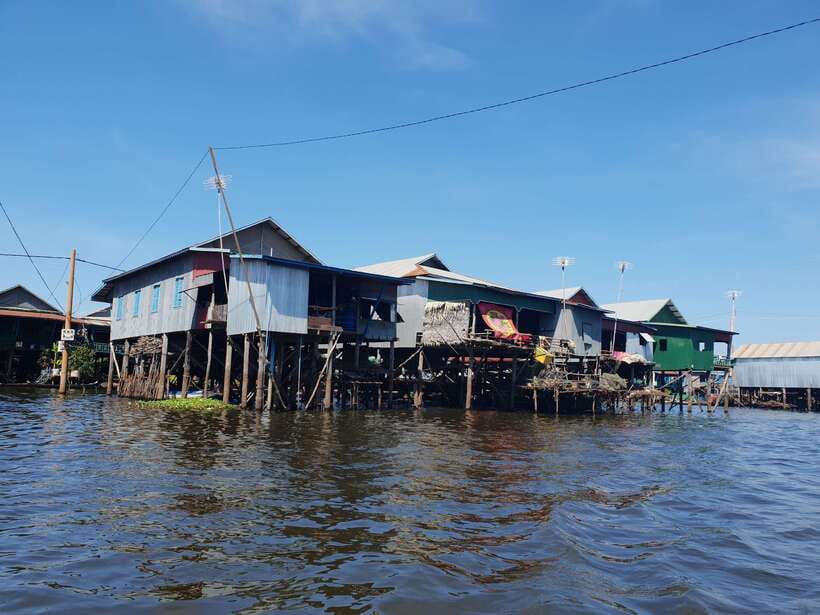
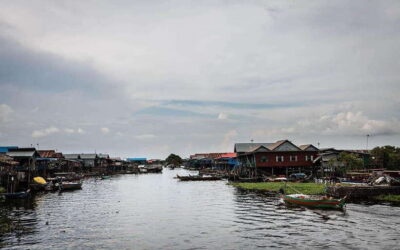
The village sits on the Tonle Sap, Cambodia’s great inland lake. Its appearance changes with the water level, which is why the same visit can look very different at different times of year. During the wet months, the lake rises around the homes and waterways. During the dry months, the stilts can tower above the ground, making the engineering of the village much easier to see.
That seasonal change is one of the best reasons to choose this tour. You are not seeing a fixed attraction. You are seeing a place that has to adapt to water, mud, roads, boats, and changing access.
I would choose Kompong Khleang if you want a more rural view of Cambodia after visiting Angkor’s temples. The day gives you a useful contrast: ancient stone monuments in one direction, present-day lake communities in the other.
More Tonle Sap floating village trips in Siem Reap:
- From Siem Reap: Kampong Phluk Floating Village Tour by Boat
★ 4.9 · 6,979 reviews - Sunset tour of Kampong Phluk stilts home village on the Tonle Sap
★ 5.0 · 4,865 reviews - Kompong Phluk Floating Village Half-Day Tour ( Morning / Sunset )
★ 5.0 · 1,494 reviews
The drive from Siem Reap through rice country
Pickup is available from several parts of Siem Reap, including Sok San Road, 7 Makara Street, National Road 6, Bakheng Road, Salakamreuk Road, and central Krong Siem Reap. You wait in your hotel lobby about 10 minutes before the agreed pickup time.
The vehicle is air-conditioned, which matters in Cambodia’s heat. Mineral water is included, but food and other drinks are not, so take cash and arrange anything you may need before leaving town.
The road to Kompong Khleang takes you through rice fields and local villages. This is not filler between attractions. It helps you see the setting that supports the lake communities, with farming areas gradually giving way to water-based life.
I like this part because it slows the day down. You get a look at Cambodia beyond Siem Reap’s hotels, restaurants, and temple routes. The tradeoff is simple: Kompong Khleang is roughly 50 kilometers away, so you spend a fair part of the six-hour tour in the vehicle.
That distance is also part of the appeal. The village feels less like a stop designed only for sightseeing and more like a place reached by making the effort to leave the main tourist circuit.
First look at the stilted homes
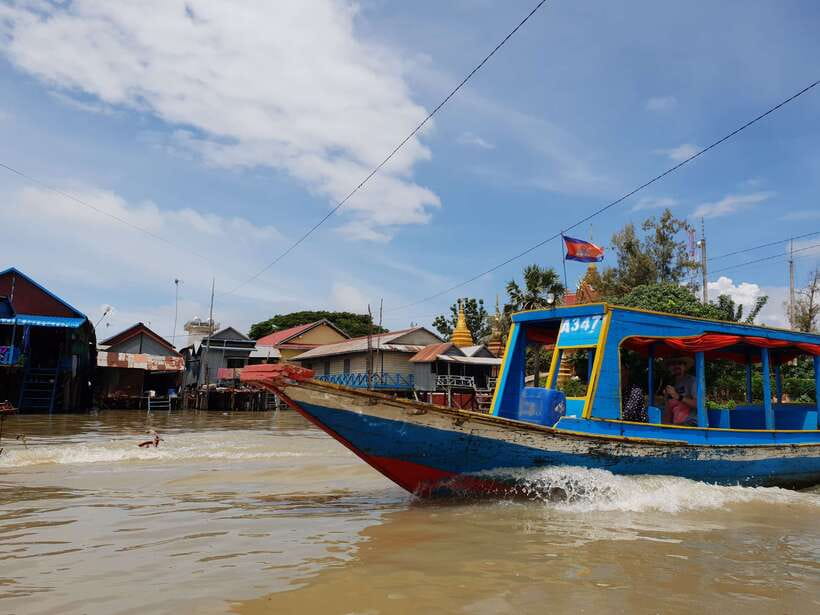
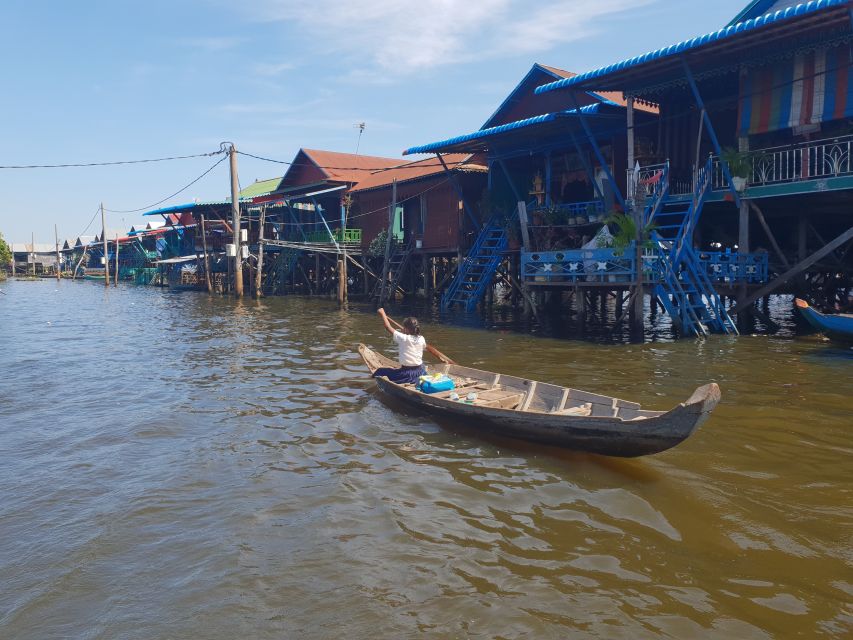
As you reach Kompong Khleang, the homes become the main attraction. In the dry season, tall stilts may rise clearly above the ground, giving the village a striking vertical shape. In the wet season, water fills the channels and comes close to the houses, changing the view completely.
The tour explains how people live with these conditions. Fishermen depend on the lake, while farmers work the surrounding land. You get a practical look at a Khmer lifestyle shaped by water levels rather than by a fixed street plan.
The village is especially interesting for visitors who want context, not just scenery. Your guide can explain what you are seeing as you move through the community, helping you understand why houses are built so high and why boats remain such an important form of transport.
The exact visual impact depends on the month. One useful way to think about the seasons is this:
- Wet season: More water surrounds the homes, and the floating quality of the village is easier to see.
- Dry season: The tall stilts are more exposed, and the village can look like a settlement raised above a wide, dry plain.
- Shoulder periods: Conditions can vary, so you may see a mix of water, mud, exposed ground, and usable channels.
If your main goal is to see homes surrounded by water, ask about current conditions before booking. If you want to understand the construction and height of the stilts, dry-season access may be more revealing.
A local market and everyday village stops
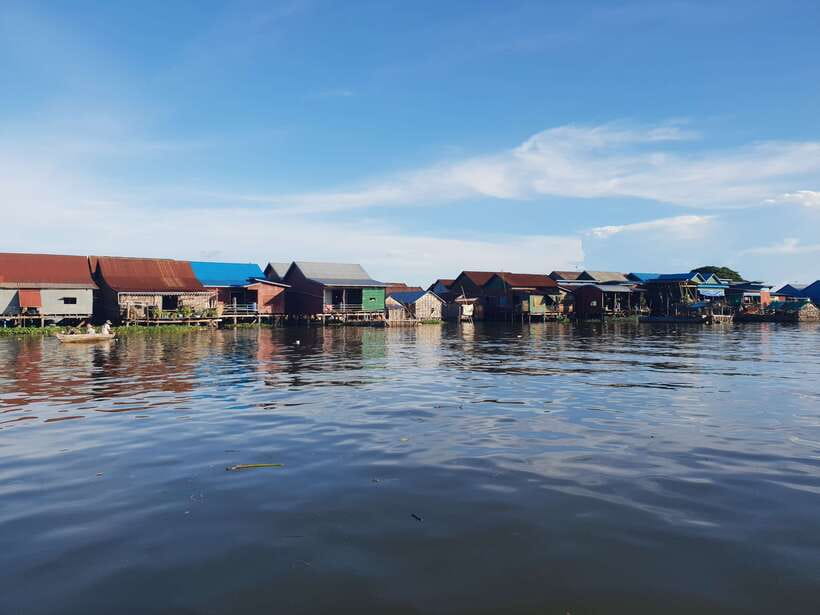
The road portion of the visit includes a look at the local market and other parts of daily life. This gives the tour more substance than a boat ride alone.
A market can show you what the community needs and sells, but the most useful part is the guide’s explanation. Dara has been singled out for being friendly, funny, and willing to explain what you are seeing. That personal connection matters in a place where a short visit could otherwise leave you with only photographs.
Some stops may include a look at how fish caught in the lake are cooked. One outing also included a taste of sticky rice. These details help connect the lake’s resources to the food on local tables, though you should not treat them as a full meal or rely on them for lunch.
The tour does not include food and drinks, so bring cash. I would also carry sunscreen, a hat, sunglasses, and comfortable clothing. There is little reason to dress formally for this day, and practical clothes will make both the drive and boat ride easier.
More guided tours in Siem Reap:
- Angkor Wat Sunrise or Sunset Tour with Guide from Siem Reap
★ 5.0 · 12,109 reviews - Siem Reap: Full-Day Angkor Wat Guided Tour with Sunset
★ 4.9 · 3,803 reviews - Angkor Wat Sunrise tour with Small – Group and Guide tours
★ 5.0 · 3,655 reviews - Angkor Wat Highlights and Sunrise Guided Tour from Siem Reap
★ 5.0 · 3,213 reviews
What you see from the private boat
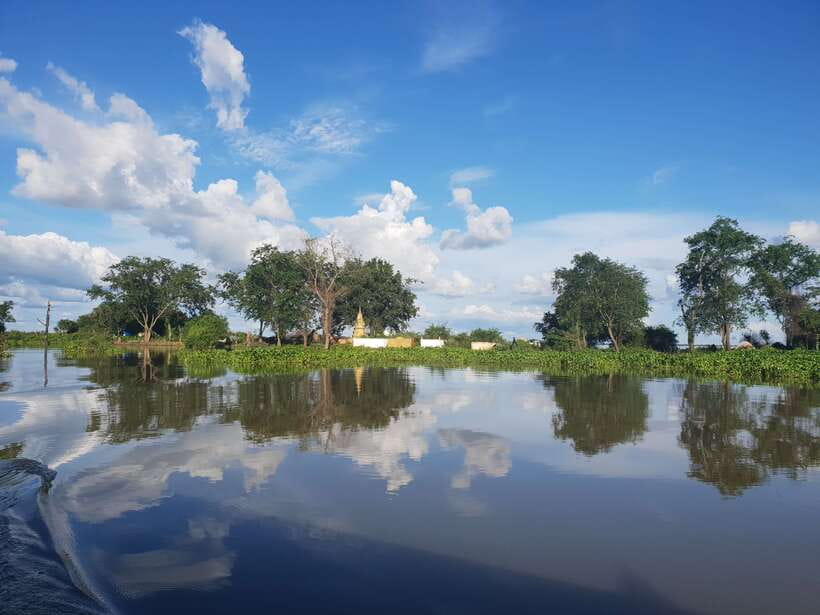
The boat trip is the heart of the visit. The extra $20 per adult covers entry and private boat exploring around the village, so include that cost when comparing the total price.
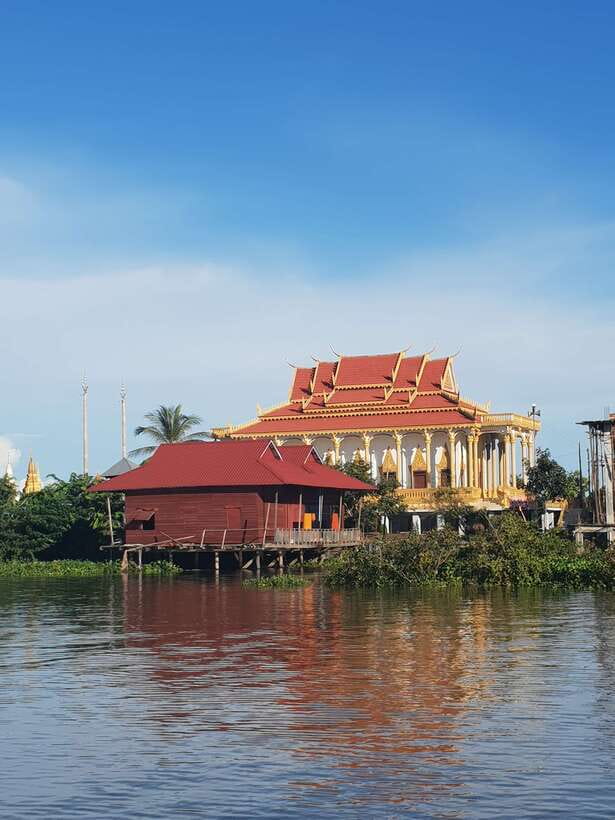
On the water, you may see floating homes, schools, pagodas, and other buildings connected to village life. The view gives you a better sense of how people move and organize their community when roads are not the only route.
A private boat also suits the small-group format. You are not joining a large bus-based crowd at the water’s edge, and your guide can focus more closely on your questions. The experience can feel calm, especially when there are few other visitors around.
The boat ride is not a thrill ride. Its value comes from seeing the village from the same watery setting that shapes everyday life there. You should expect scenery and explanation rather than entertainment or a packed schedule of activities.
Bring your camera, but do not spend the whole ride looking through it. The relationship between water, homes, schools, and pagodas is easier to understand when you take in the whole scene.
The role of the guide
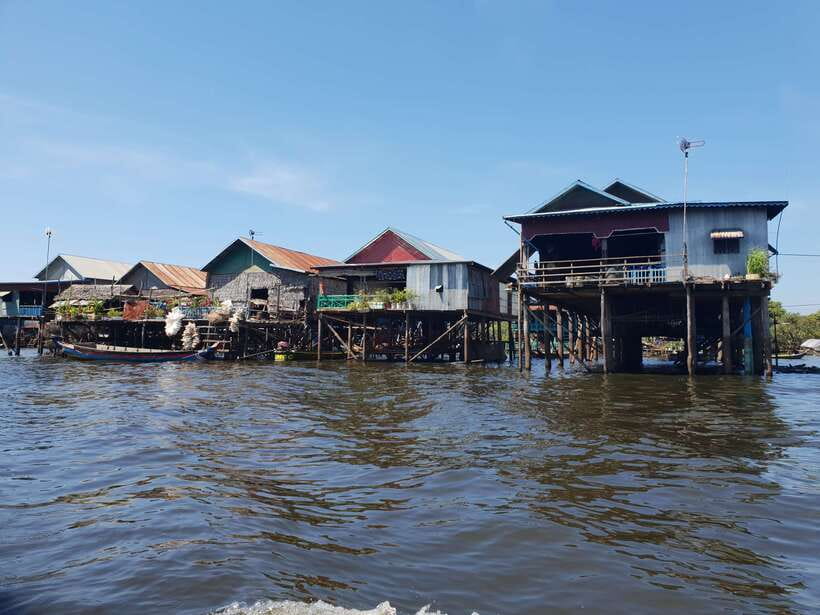
This tour depends heavily on the guide. The best moments come when someone explains how the village works, why the homes are raised, and how the seasons affect local routines.
Dara has led the excursion and is described as kind, helpful, funny, and well informed about the area. That combination is useful. A guide who can answer questions while keeping the mood relaxed makes a six-hour day feel less formal.
Chhat has also accompanied the tour. He and Dara have been noted for answering questions and helping keep the day easy and stress free. At the same time, the amount of detail can vary. If you want more information, ask direct questions about fishing, farming, schooling, religion, and seasonal access.
That last point is worth keeping in mind. This is not a museum visit with signs at every stop. Your understanding comes from the person traveling with you. If cultural detail is important to you, tell the guide early in the day so the conversation can match your interests.
Is the $100 group price good value?
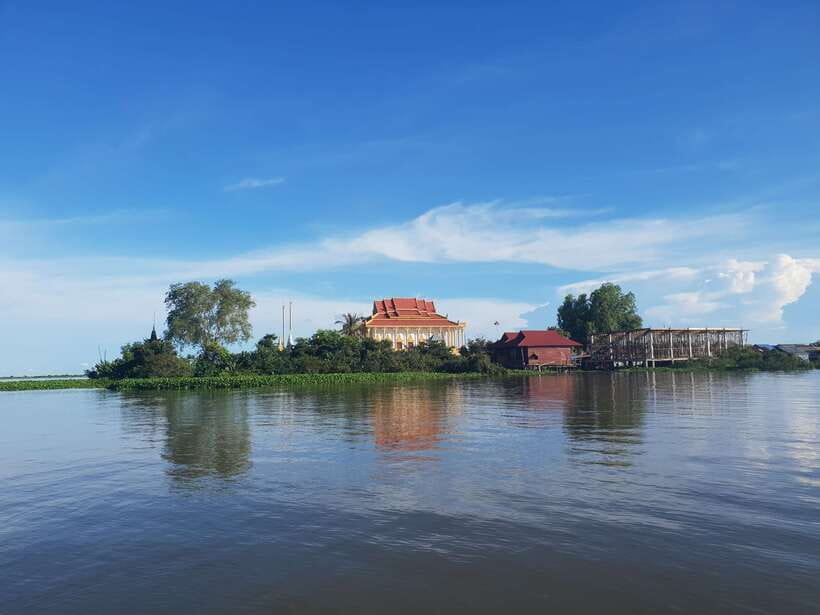
The tour costs $100 per group of up to three people. That is a useful price structure for a couple or a small family, since the base rate does not rise with each person up to the three-person limit.
You then add $20 per adult for entry and private boat exploration. For three adults, the base cost works out to about $33 per person before the extra boat and entry charge. For one person, it is much less attractive financially, though the private format may still appeal if convenience matters more than price.
Included in the base price are:
- English-speaking local guide
- Air-conditioned transportation
- Mineral water
- Hotel pickup and drop-off
Not included are food, drinks, and the $20 per adult entry and private boat cost. Clarify the total before departure, especially if your group includes children and you need to know how the additional charge applies.
For a small group wanting a private vehicle and a guide for a full half-day, I consider the price reasonable. It is less compelling if you only want a short boat ride or a quick view of floating homes. The long drive and cultural explanation are what make the cost worthwhile.
Timing, comfort, and who should go
The full activity lasts about six hours, including pickup, the countryside drive, village exploration, and return to Siem Reap. That makes it easy to fit into a wider Siem Reap schedule, though you should not plan another major activity at the same time.
The tour is suitable for many age groups, but children under three are not accepted. Children who do go must be accompanied by an adult.
You should also take the physical limits seriously. The experience is not recommended for people with back problems, mobility impairments, or wheelchair users. It is also listed as unsuitable for people over 80. Boarding and moving around a village and boat can be less comfortable than a standard sightseeing stop.
The activity accommodates all ages within those limits. For families, older children may get more from the visit than very young ones because the main appeal is cultural explanation and observation rather than a hands-on attraction.
What to pack for Tonle Sap
The basics are simple:
- Hat and sunglasses
- Sunscreen
- Camera
- Comfortable clothes
- Cash
- Water beyond the included bottle, if needed
Cash matters because food, drinks, and the extra entry and boat charge are not included in the base price. The tour does not permit baby carriages, and riding animals is not allowed. Explosive substances are also prohibited.
The weather and water exposure can make the day feel hotter than the schedule suggests. A hat and sunscreen are more useful than dressy clothes. Comfortable footwear is also a sensible choice, though the supplied information does not specify a particular type.
The quiet side of the experience
One of the strongest reasons to choose Kompong Khleang is the chance of a quieter visit. Its distance from Siem Reap means fewer quick stopovers than at some closer lake villages.
That does not guarantee an empty village. It does mean the outing can feel less rushed, especially when the guide allows you time to watch the water and homes rather than moving from one photo stop to the next.
The quieter setting also makes the cultural side easier to appreciate. You can notice the connection between homes, boats, schools, religious buildings, fishing, and farming. This is where the tour offers more than a scenic ride.
Still, you should arrive with realistic expectations. This is a living community, not a polished attraction. Conditions may be muddy, weather can affect the views, and the amount of activity on the water changes with the season.
Should you book the Kompong Khleang tour?
Book it if you want to see how Cambodian life is organized around Tonle Sap Lake and you are happy to spend much of a day getting there and back. I especially recommend it for couples or small groups who can share the $100 vehicle and guide cost.
It is a good match if you value a private format, rural scenery, a local guide, and a boat ride with time to ask questions. Dara’s friendly style has been a strong part of the experience, though you should speak up if you want more detailed explanations.
Skip it if your schedule is tight, your mobility is limited, or you only want a short, highly polished sightseeing stop. Also check the seasonal water level before booking. If you want homes surrounded by water, aim for wetter months. If you want to see the tall stilts clearly, drier conditions may suit you better.
With the extra $20 per adult included in your budget, Kompong Khleang offers a thoughtful and fairly priced look at a side of Cambodia that is easy to miss from Siem Reap’s temple roads.
FAQ
How long is the Kompong Khleang tour?
The tour lasts six hours, including hotel pickup and drop-off, the drive from Siem Reap, village visits, and the boat experience.
How much does the tour cost?
The price is $100 per group of up to three people. Entry and private boat exploring cost an additional $20 per adult.
Is transportation included?
Yes. Air-conditioned transportation, hotel pickup, drop-off, and mineral water are included.
What language does the guide speak?
The tour is conducted in English by a live local guide.
What should I bring?
Bring sunglasses, a hat, a camera, sunscreen, comfortable clothing, and cash. Food and drinks are not included.
Is the tour suitable for children and people with limited mobility?
Children under three are not accepted, and children who attend must be accompanied by an adult. The tour is not suitable for wheelchair users or people with mobility impairments, back problems, or people over 80.
Just added around Siem Reap
- Ultimate Sunrise to Angkor Wat, Angkor Thom and Bayon Temple★ 5.0 · 3 reviews
- Twilight Tastes of Siem Reap Include Dinner★ 5.0 · 13 reviews
- Full-Day Private Tour of Angkor Wat with Pick Up★ 5.0 · 12 reviews
- Trekking Tour at Phnom Kulen National Park from Siem Reap★ 5.0 · 3 reviews
- Siem Reap City Tour with War Museum and Killing Field★ 5.0 · 27 reviews
- Private Day Trip to Angkor Temples with Expert Guide★ 5.0 · 4 reviews
- Waterfall & River of 1000 Siva Linga- Kulen Mountain Private Tour★ 5.0 · 3 reviews
- Private Two Days Siem Reap Temples Discovery Guided Tour★ 5.0 · 7 reviews
Tonle Sap Floating Village Tours, compared.
Sunset tour of Kampong Phluk stilts home village on the Tonle Sap
Read our review →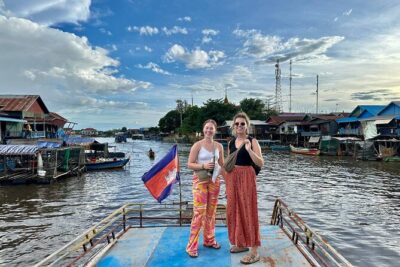
Kompong Phluk Floating Village Half-Day Tour ( Morning / Sunset )
Read our review →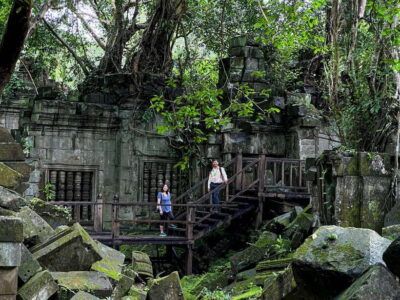
Kulen Mountain, Beng Mealea and Tonle Sap Tour
Read our review →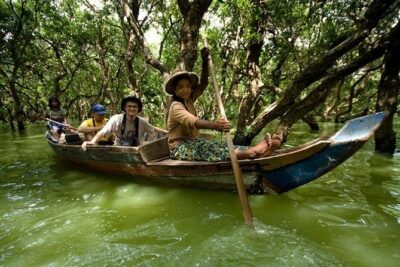
Tonle Sap Lake & Kampong Phluk Village Half-Day Tour
Read our review →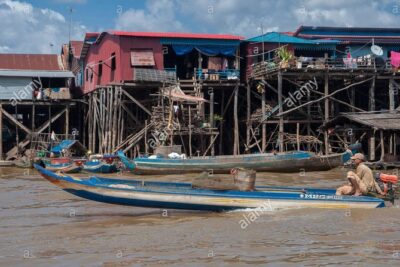
Kulen Mountain with Beng Mealea and Tonle Sap Small Group Tour
Read our review →Browse the lists this tour appears in