
Reviewed · ANGKOR PHOTOGRAPHY TOURS
Journey Through Time: Grand Tours with professional photographers
The best part of this Angkor tour is its mix of less-visited temples and private guiding. Instead of following a large group, you move through Preah Khan, Neak Pean, Ta Som, Pre Rup, Eastern Mebon, and Banteay Srei with your own driver, guide, and photographer.
I like the flexibility of private transport and the practical extras: hotel pickup, bottled water, fruit, tissues, and help with temple photos. Guides such as John, Diamond, Pich, and Davann have been praised for humor, clear English, history, and clever ways to avoid queues. The main drawback is pacing: six stops are listed at about an hour each, yet the full outing is advertised at only five to six hours, with Banteay Srei also sitting well beyond the central temple circuit.
Key points to know before booking
- Six major stops: Preah Khan, Neak Pean, Ta Som, Pre Rup, Eastern Mebon, and Banteay Srei.
- Private experience: Only your own group takes part, with a private car or van and hotel transfer.
- Photography is part of the service: A professional photographer accompanies the tour and can take photos and videos.
- Angkor pass costs extra: The one-day temple pass is listed at $37 per person.
- Dress carefully: Cover your knees and shoulders at temples and other religious sites.
- The route favors quieter ruins: You see several atmospheric temples beyond the usual Angkor Wat visit.
A private route through Angkor’s Grand Circuit
The Grand Circuit gives you a different look at Angkor. Angkor Wat may be the headline attraction, but this route turns toward broad temple compounds, small island shrines, tree-covered ruins, and a red sandstone pyramid. I like it as a second day of temple sightseeing, especially if you have already seen Angkor Wat and want something less predictable.
Your day begins in Siem Reap, where private transport collects you and returns you to the starting point. The company provides a luxury car or van, an English-speaking guide, and a professional photographer. You also receive mineral water, tissues, and natural fruit. Those are modest details, but they matter in Cambodia’s heat, where a cold drink and a seat in an air-conditioned vehicle can make the difference between a pleasant day and a tiring one.
The guide is the key part of the experience. John has been praised for his humor and knowledge of Cambodian history, while Diamond and Pich have been noted for explaining the kings, temples, and local culture and for taking photos and videos. Davann has been praised for being funny and for helping his group avoid queues. The company assigns the guide, so you cannot assume you will receive a particular person, but these names give you a useful sense of the style to expect: personal, conversational, and alert to photo opportunities.
The private format also gives you some control. A large group may keep you moving even when you want another look at a carved doorway. Here, you can ask questions, pause for pictures, or spend less time at a stop that does not catch your interest. The exact amount of freedom depends on the day’s schedule, since six stops in five or six hours require a brisk pace.
More photography tours in Siem Reap:
- Professional Photo Shoot in Angkor Archaeological Park, Siem Reap
★ 5.0 · 42 reviews - Golden Hours: Angkor wat sunrise photography tour with a pro!
★ 5.0 · 25 reviews - Unseen Angkor Tour & Photoshoot
★ 5.0 · 6 reviews
Preah Khan, a vast temple with room to wander
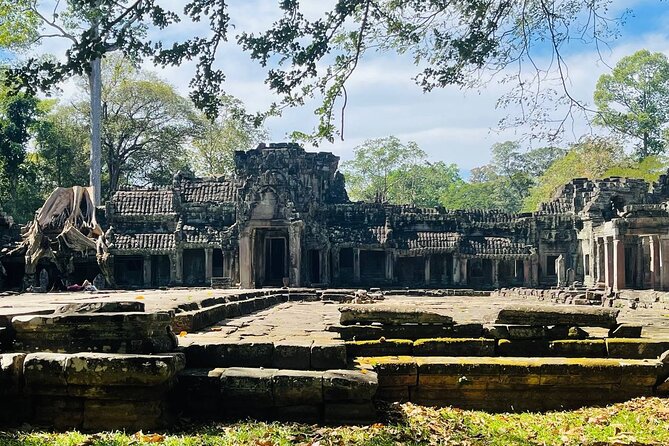
Preah Khan is the first listed stop, and it makes a strong opening. King Jayavarman VII built it in the early 12th century in honor of his father. It was not simply a temple for ceremonies. The complex once supported a large organization of officials and servants, giving you a sense of the scale of the Khmer royal system.
I would give this temple your full attention. Its size lets you move from broad courtyards into more enclosed passages, where carved stone, worn walls, and plant growth create constantly changing views. The guide can explain how the temple functioned and point out details that are easy to pass without context.
The planned stop is about an hour, which is enough for a useful visit but may feel short if you enjoy photography. Preah Khan offers many frames, and the accompanying photographer can help capture both posed pictures and images of you moving through the ruins. If you want time for careful architectural study, tell your guide early in the day that you prefer fewer rushed stops.
Neak Pean and the unusual artificial island
From Preah Khan, you continue to Neak Pean. This small Buddhist temple was built by Jayavarman VII on an artificial island in the Preah Khan Baray, also called Jayatataka. Its setting gives it a very different character from the large temple compounds.
The appeal here is the design and the setting rather than sheer size. Neak Pean was made as a water-related religious site, and the approach helps you understand how Khmer builders used reservoirs and carefully planned spaces. Your guide can connect the temple to Jayavarman VII’s wider building program and explain why an artificial island was chosen.
This stop can be more dependent on conditions than the larger ruins. Water levels, access, and the amount of walking required can affect what you see, so keep your expectations focused on the unusual layout rather than a vast temple interior. An hour is a reasonable amount of time if the route is moving well.
Ta Som, where trees press into the ruins
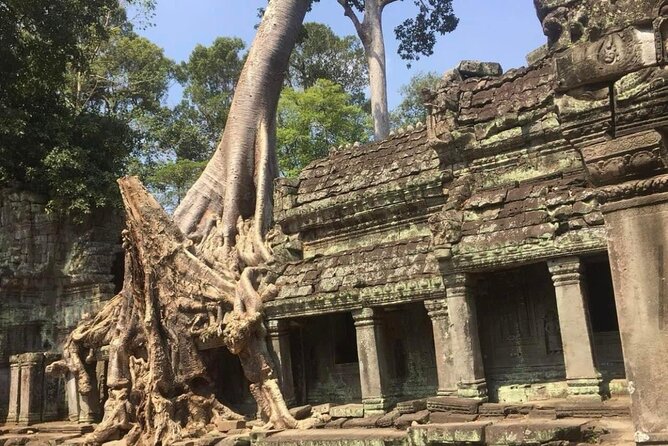
Ta Som is another temple built by Jayavarman VII, this time at the end of the 12th century and dedicated to his father. It is often grouped with Ta Prohm because nature has taken a visible role in the site. Trees grow around the stonework, and sections remain largely unrestored.
I like Ta Som because it feels more intimate than Preah Khan. The temple’s smaller scale makes it easier to appreciate the relationship between carved stone and plant growth. It also gives the photographer a chance to frame you in a setting that feels less formal and more atmospheric.
The same growth that makes Ta Som appealing can make some paths uneven or narrow. Wear sensible shoes and watch your footing. If you are hoping for a quiet pause, this is one of the better places in the route, but the schedule may not allow you to linger beyond the planned hour.
A different sort of day out around Siem Reap:
- Angkor Wat Sunrise or Sunset Tour with Guide from Siem Reap
★ 5.0 · 12,109 reviews - Siem Reap: Angkor Wat: Small-Group Sunrise or Sunset Tour
★ 5.0 · 9,444 reviews - From Siem Reap: Kampong Phluk Floating Village Tour by Boat
★ 4.9 · 6,979 reviews - Sunset tour of Kampong Phluk stilts home village on the Tonle Sap
★ 5.0 · 4,865 reviews
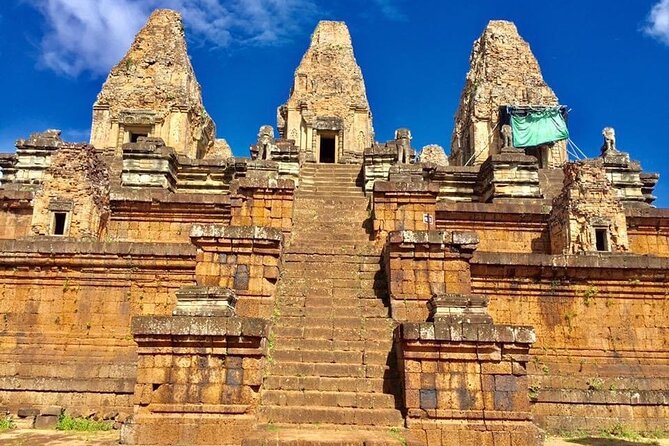
Pre Rup, a sandstone pyramid with a strong finish
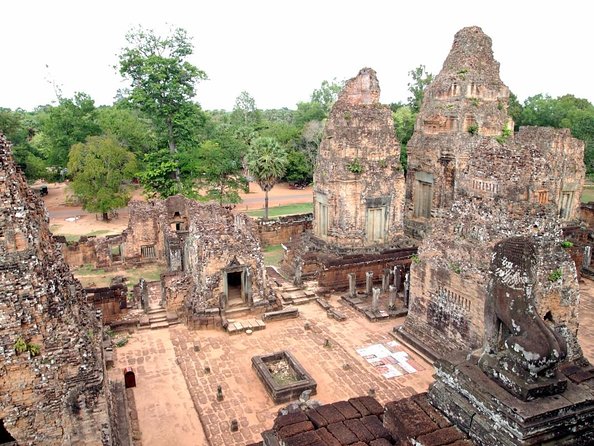
Pre Rup takes the route into a different period of Khmer construction. King Rajendravarman built this Hindu mountain temple in 961 or 962. Its modern Khmer name means turn the body, a phrase connected with Cambodian funeral beliefs.
The temple’s stepped form gives it a clear visual identity. Pre Rup is built upward, so the visit focuses on terraces, towers, and the sense of climbing toward a high ceremonial level. The red sandstone can look especially warm in the sun, although the exposed setting also means little relief from heat.
This is a good place to listen closely to the guide’s explanation of Hindu symbolism and funerary customs. The site is more about structure and ritual meaning than shaded passageways. Bring the water provided, use sun protection, and make sure your clothing meets the temple rules.
Eastern Mebon, a former island temple
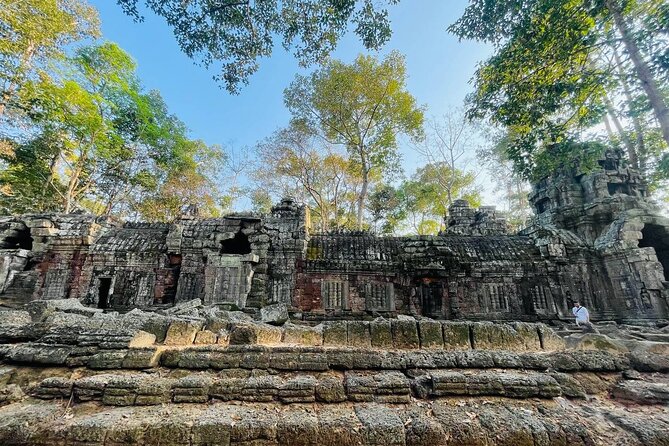
Eastern Mebon is the last of the 10th-century sites on the central part of the route. King Rajendravarman built it on an artificial island in the East Baray, a reservoir that is now dry. The temple was dedicated to the Hindu god Vishnu and honored the king’s parents.
The dry reservoir changes how you read the site. Your guide can help you picture the temple when water surrounded it, rather than treating it as an isolated ruin. The design reflects an earlier stage of Angkor’s religious and royal building traditions, before the temples associated with Jayavarman VII.
Eastern Mebon is a useful contrast with Neak Pean. Both were linked to artificial islands and water systems, but they belong to different periods and religious settings. I would ask your guide to compare them directly. That simple question can make the day feel like a connected story instead of six unrelated stops.
Banteay Srei, the small temple with fine carvings
Banteay Srei is listed as the final stop and sits about 25 kilometers northeast of the Angkor Archaeological Park. It is smaller than Angkor Wat, but its detailed carving makes it one of the most distinctive places on this route.
The temple is built from pinkish sandstone, and its scale rewards close looking. You will spend less time walking across a huge compound and more time examining doorways, figures, and decorative stonework. The name is often associated with the idea of a jewel of Khmer artistry, and that description points to the temple’s careful detail rather than its size.
There is no admission charge listed for Banteay Srei within this tour, but you still need to account for the separate Angkor temple pass required elsewhere. The extra drive also matters. Adding Banteay Srei after five central stops may make the day feel packed, especially if you want unhurried photographs.
Ask at the start how the guide plans to handle the timing. If Banteay Srei is a priority, you may prefer to protect its hour and accept shorter visits at one or two earlier temples. If you value the Grand Circuit’s variety more than detailed study, the full route gives you a satisfying overview.
What the private photographer adds
The photographer is more than a small bonus if you care about recording the day. A guide can explain a carving while a photographer helps you get a usable picture of yourself in the temple setting. The supplied service also includes photos and videos according to the experience description and the guide feedback.
I would still set expectations before leaving Siem Reap. Ask how many finished images or videos you will receive, when they will be delivered, and whether the photographer takes mostly posed shots, candid images, or both. Those details are not specified, so it is best to clarify them rather than assume a formal photo package.
The photographer also makes the private format more valuable for couples, families, and small groups. You do not need to rely on a stranger to take a rushed picture. On the other hand, a photographer can add pauses to an already full schedule. If you care more about temple detail than personal portraits, say so.
Price, admission, and what you actually receive
The listed tour price is $237. That is not the same as the total cost, since the one-day Angkor temple pass is listed separately at $37 per person. Food, drinks beyond the supplied water and fruit, personal expenses, tips, and a $15 sun-light charge are also listed as extra or separate. The wording around the sun-light charge is not clear, so ask the provider what it covers before booking.
The value depends heavily on group size. For one or two people, $237 is a serious expense once the temple pass is added. For a family or small private group, the price covers the car or van, hotel transfers, an English-speaking guide, and a photographer, so it can compare better with booking separate transport and a guide.
You are also paying for time saved and fewer logistical chores. The driver handles the route from Siem Reap and back, while the guide provides context at each site. If you have only one temple day and want the largest possible selection of Grand Circuit stops, that convenience may justify the cost.
I would not book it expecting a cheap transport shuttle. The strength of this experience is the combination of private service, explanation, and photography. If you only need a ride and plan to read about the temples yourself, a lower-cost option may suit you better.
Clothing, timing, and practical preparation
The dress rule is firm. Men and women must cover shoulders and knees at places of worship and selected museums. No shorts or sleeveless tops are allowed, and you may be refused entry if your clothing does not meet the requirement.
Wear light, covering clothing and comfortable shoes. You will be walking through several temple sites, and some surfaces may be uneven. The company provides water, tissues, and fruit, but food and other drinks are not included, so arrange your meal plans in advance.
The published duration is about five to six hours, while each of the six stops is shown as about one hour. That leaves very little room for driving, hotel pickup, temple entry, questions, and photography. Banteay Srei is also about 25 kilometers from the main park area. Treat the schedule as an approximate plan, not a promise of six leisurely one-hour visits.
The mobile ticket should make pickup simple. Download the e-ticket to your phone before the car arrives, and keep your phone charged. The meeting point is in Krong Siem Reap, and the activity ends back at the meeting point.
Who will enjoy this tour most
I would recommend this experience to you if you want a private day with a guide rather than a large bus group. It suits couples and families who want photos, small groups that value their own pace, and anyone adding a second Angkor day after seeing the main temple.
It is also a good fit if you care about the story behind the stones. The route covers Jayavarman VII’s temples, earlier Hindu sites, Buddhist architecture, royal memorials, and the old water system. A good guide can make those links clear.
The tour is less suitable if you want a slow archaeological visit. Six stops, a photographer, and the trip to Banteay Srei create a full program. You may need to choose between lingering at Preah Khan, taking extensive photos, and giving Banteay Srei the attention it deserves.
The tour is described as suitable for most people and is near public transportation, but the supplied information does not give detailed accessibility guidance. If you have mobility concerns, ask the provider about walking distances, surfaces, and access at each temple before paying.
Should you book the Grand Circuit tour?
Book it if you want private transport, an English-speaking guide, and professional photographs in one package. The strongest parts are the quieter temple route, the helpful guide style associated with John, Diamond, Pich, and Davann, and the chance to see sites beyond Angkor Wat without arranging each detail yourself.
Think twice if $237 is for only one or two people and you are trying to keep costs low. Add the $37 temple pass per person, confirm the unclear $15 charge, and ask how the company will fit six stops into five or six hours.
My practical advice is to book this as a private photo-and-history day, not as a relaxed temple study tour. Ask for a clear timing plan, confirm the photographer’s deliverables, dress conservatively, and protect Banteay Srei or Preah Khan as your priority. With those expectations, this is a useful and personal way to see Angkor’s Grand Circuit.
FAQ
Is hotel pickup included?
Yes. The private transport includes a complimentary round-trip hotel transfer from Siem Reap.
How long does the tour last?
The experience lasts approximately five to six hours.
Is this a private tour?
Yes. Only your own group participates in the activity.
Which temples are included?
The route includes Preah Khan, Neak Pean, Ta Som, Pre Rup, Eastern Mebon, and Banteay Srei.
Is an English-speaking guide included?
Yes. A professional English-speaking tour guide is included.
Is a photographer included?
Yes. A professional photographer is included with the tour.
Is the Angkor temple pass included?
No. The one-day Angkor temple pass is listed separately at $37 per person.
Are food and drinks included?
Food and drinks are not included. Mineral water and natural fruit are provided, while personal food and drink expenses are separate.
What clothing should I wear?
You must cover your knees and shoulders. Shorts and sleeveless tops are not allowed at places of worship and selected museums.
Can I cancel for a refund?
Yes. You can cancel at least 24 hours before the experience start time for a full refund. Cancellations or changes made less than 24 hours before the start time are not accepted for a refund.
Just added around Siem Reap
- Ultimate Sunrise to Angkor Wat, Angkor Thom and Bayon Temple★ 5.0 · 3 reviews
- Full-Day Private Tour of Angkor Wat with Pick Up★ 5.0 · 12 reviews
- Trekking Tour at Phnom Kulen National Park from Siem Reap★ 5.0 · 3 reviews
- Twilight Tastes of Siem Reap Include Dinner★ 5.0 · 13 reviews
- Waterfall & River of 1000 Siva Linga- Kulen Mountain Private Tour★ 5.0 · 3 reviews
- Siem Reap City Tour with War Museum and Killing Field★ 5.0 · 27 reviews
- Private Day Trip to Angkor Temples with Expert Guide★ 5.0 · 4 reviews
- Private Two Days Siem Reap Temples Discovery Guided Tour★ 5.0 · 7 reviews
Angkor Photography Tours, compared.
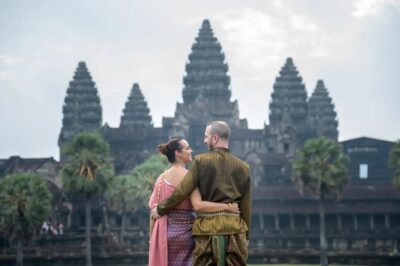
Professional Photo Shoot in Angkor Archaeological Park, Siem Reap
Read our review →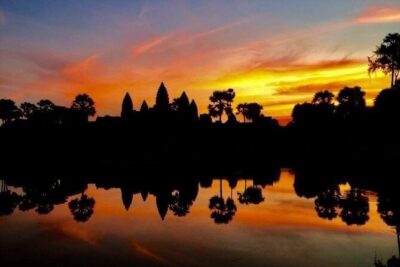
Golden Hours: Angkor wat sunrise photography tour with a pro!
Read our review →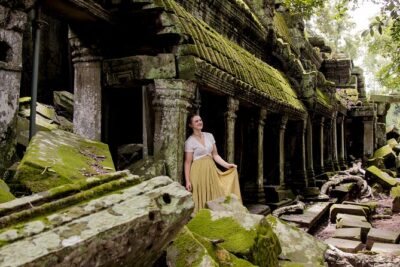
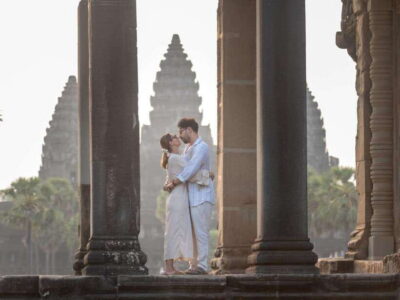
Professional Photoshoot in Angkor Archaeological Park
Read our review →
Browse the lists this tour appears in