
Reviewed · PHNOM KULEN WATERFALL TOURS
Siem Reap: Kulen Waterfall by Private Tour
Kulen Mountain gives you a useful change of pace from Siem Reap’s temple circuit. You’ll see ancient carvings in a riverbed, a reclining Buddha, ruined hilltop shrines, and a waterfall where you can swim. I like the mix of archaeology and nature, and I like that the day ends with a look at palm sugar production rather than another polished tourist stop.
The English-speaking guide adds real value here. Guide Lok, praised for his warm manner and personal stories about Cambodia, helped make the day feel more human than a standard sightseeing run. The main drawback is the long nine-hour day, plus the extra $20 national park fee and the cost of lunch.
Key points at a glance
- The 1000 Lingas: See sacred carvings cut into the riverbed, one of Kulen Mountain’s most unusual archaeological sights.
- A powerful mix of faiths: Phnom Kulen matters to both Hindu and Buddhist traditions, with a reclining Buddha and more than 30 ruined temples.
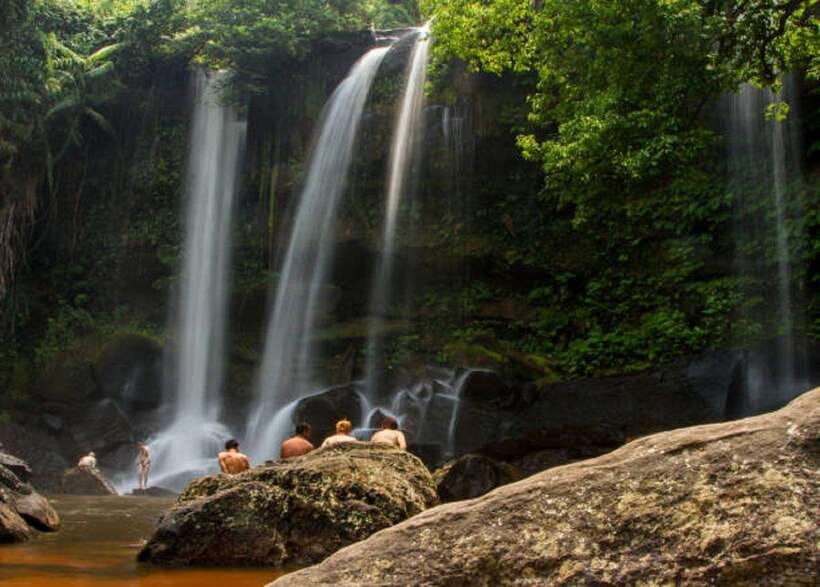
- A real swim stop: Kulen Waterfall gives you time to cool off after the mountain visits.
- A local food tradition: The palm sugar village offers a simple look at a rural Cambodian craft.
- A flexible private outing: Hotel pickup, an air-conditioned car or van, water, and a cold towel are included.
- Optional modern history: You can add the Cambodia Landmine Museum on the return to Siem Reap.
Why Kulen Mountain is worth a full day
Phnom Kulen, also called the Mountain of the Lychee, is more than a scenic escape from Siem Reap. It is regarded as the place where the Khmer Empire began, and its religious importance reaches across Hindu and Buddhist traditions.
That context changes how you read the sites. The river carvings are not just old decoration, and the hilltop Buddha is not simply a photo stop. This is a sacred mountain where water, worship, royal power, and local belief meet.
The tour works well because it does not force you to choose between ruins and fresh air. You spend part of the day looking closely at carved stone and temple remains, then shift to a waterfall and a village visit. For me, that range is the strongest reason to choose Kulen over another day spent entirely among temple walls.
The setting also gives you a broader view of Cambodia. Around Angkor, the grand monuments often dominate the experience. Kulen feels more connected to the mountain itself, with religious places spread across a natural setting and local life still part of the day.
More Phnom Kulen waterfall trips in Siem Reap:
- Kulen Waterfall Join-in Tour (local Picnic lunch)
★ 5.0 · 2,434 reviews - Kulen Mountain: Small-Group Tour and Picnic lunch
★ 4.9 · 1,802 reviews - Siem Reap: Kulen Mountain, Beng Mealea and Tonle Sap Tour
★ 5.0 · 1,483 reviews
Leaving Siem Reap for the mountain
Your day begins with hotel pickup in Siem Reap. You are asked to wait in the hotel lobby about 10 minutes before the scheduled pickup, a small detail worth taking seriously because the trip has a full schedule.
Transport is by comfortable air-conditioned car or van. That matters in Cambodia, especially on a nine-hour outing that includes time outdoors. Water and a cold towel are included, which is useful after the warmer parts of the visit.
The tour is sold as a private experience, and one account describes a small, personable group. Exact group size is not provided, so you should confirm that point if having a fully private vehicle and guide is essential to your plans.
The drive takes you away from Siem Reap’s central sights and toward Kulen Mountain. The point of this trip is not speed. You are heading to a place that combines archaeological remains with a more rural setting, so the road time is part of the day’s tradeoff.
The stone quarry and the work behind the temples
The first stop is a quarry where stones were cut for temples in the area. It is easy to rush past a place like this, but it gives you a useful question to carry through the rest of the tour: how did ancient builders obtain and move the enormous blocks used in Khmer religious architecture?
This stop focuses on construction rather than finished monuments. You see part of the process behind the temples, not just the final carved surfaces. A good guide can connect the quarry to the ruins later in the day, helping you notice the labor and planning hidden behind grand architecture.
Do not expect a large museum or a long formal presentation here. The value lies in the connection between raw stone and the temples it helped create. If you enjoy understanding how historic sites were made, this is a worthwhile opening stop.
Reading the 1000 Lingas beside the river
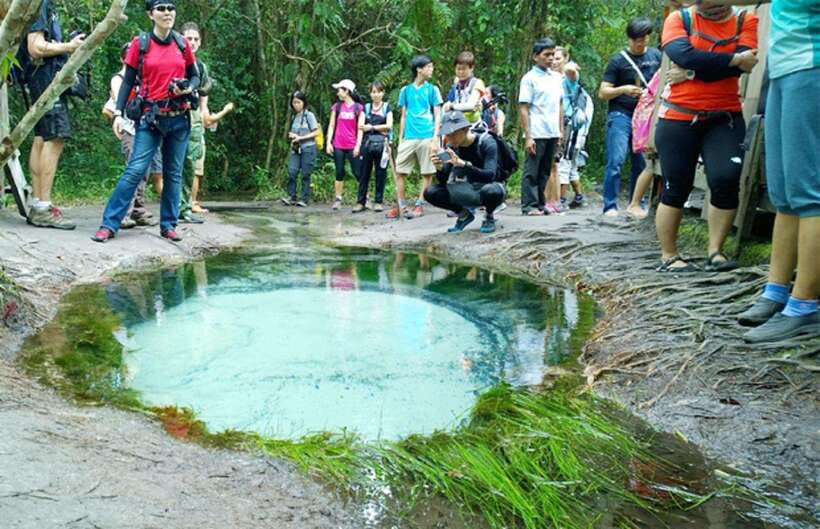
The 1000 Lingas site is the archaeological centerpiece of the first half of the visit. Here, carvings associated with Shiva appear along the riverbed. Water once flowed over or around these sacred forms, linking the river to religious practice.
You will want sturdy, comfortable shoes for this part. The tour specifically recommends comfortable footwear and clothing, and that advice makes sense for a riverside archaeological site followed by a walk toward the waterfall.
The attraction is subtle rather than monumental. You are not facing a giant temple gateway or a towering statue. Instead, you are looking down at carvings integrated into the river environment. That makes the site feel different from Angkor Wat and the other major temple complexes near Siem Reap.
Your guide is especially useful here. Without explanation, the carvings can be difficult to interpret. With context, you can better understand why the river was considered sacred and how religion shaped the mountain.
More private tours in Siem Reap:
- Full-Day Angkor Wat Sunrise Private Tour with Guide from Siem Reap
★ 5.0 · 2,920 reviews - Siem Reap: Angkor Wat Private Tuk-Tuk Tour
★ 4.9 · 2,222 reviews - Angkor Wat Private Day Tour from Siem Reap
★ 5.0 · 834 reviews - Angkor Wat Private Tuk-Tuk Tour (sunrise Option) & more
★ 5.0 · 439 reviews
The hilltop Buddha and more than 30 ruined temples
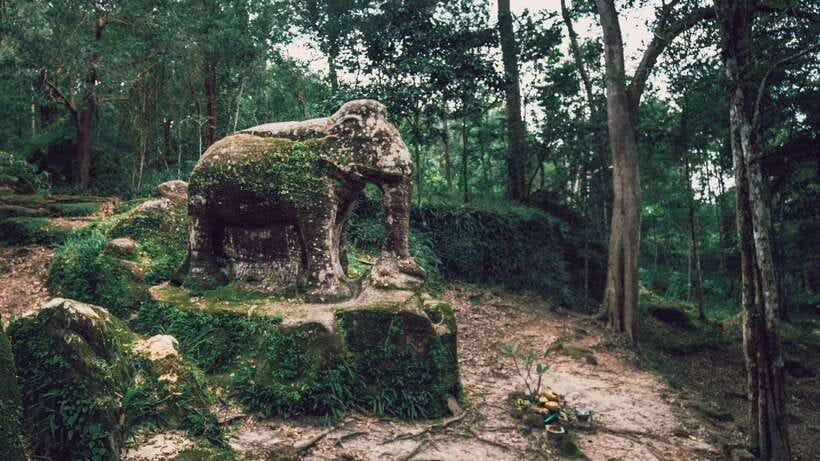
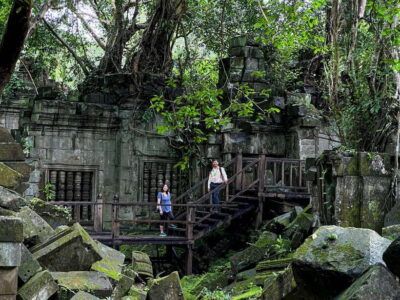
The next section takes you to the sacred hilltop, where more than 30 temple ruins are spread across the area. Their condition varies, and the appeal is not polished grandeur. You are seeing fragments, weathered stone, and remains that require a little imagination.
That is part of the charm, but it is also a consideration. If you want fully restored monuments with clear paths and dramatic gateways, Kulen may feel less immediately impressive than Angkor’s best-known sites. If you like scattered ruins and the sense of finding your way through an older sacred area, the hilltop is more rewarding.
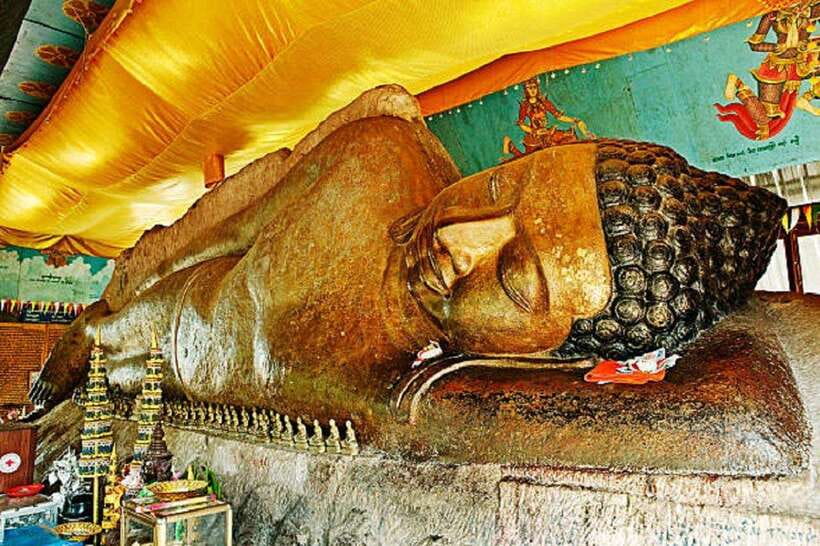
The large reclining Buddha is the most recognizable religious image on this part of the mountain. It gives the visit a strong Buddhist focus after the Hindu connections at the river. The contrast helps explain why Kulen remains important to more than one religious tradition.
Take your time here if the schedule allows. Look beyond the Buddha itself and notice how the hilltop combines active religious meaning with ruined structures. The tour is strongest when you treat these stops as connected parts of one sacred mountain, not as isolated photo opportunities.
Walking to Kulen Waterfall
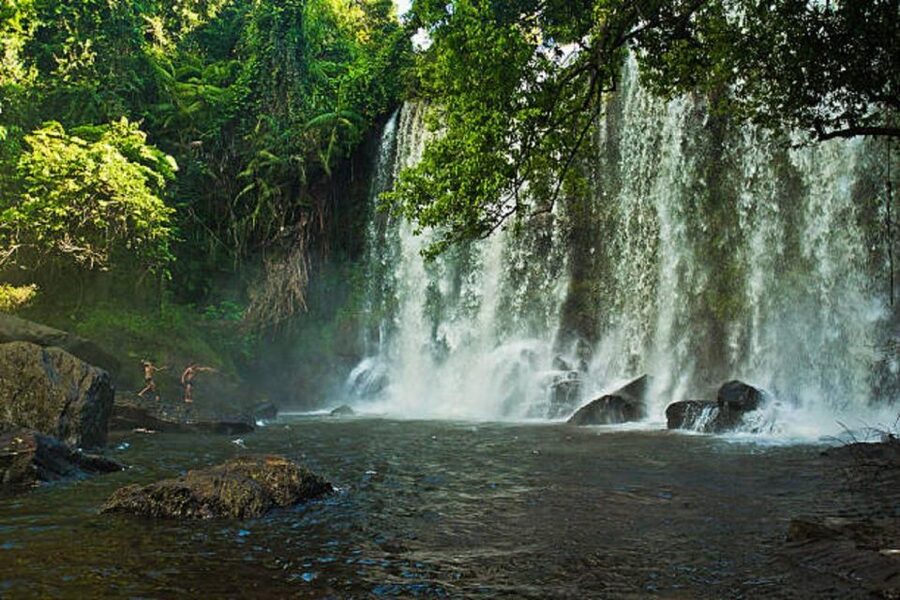
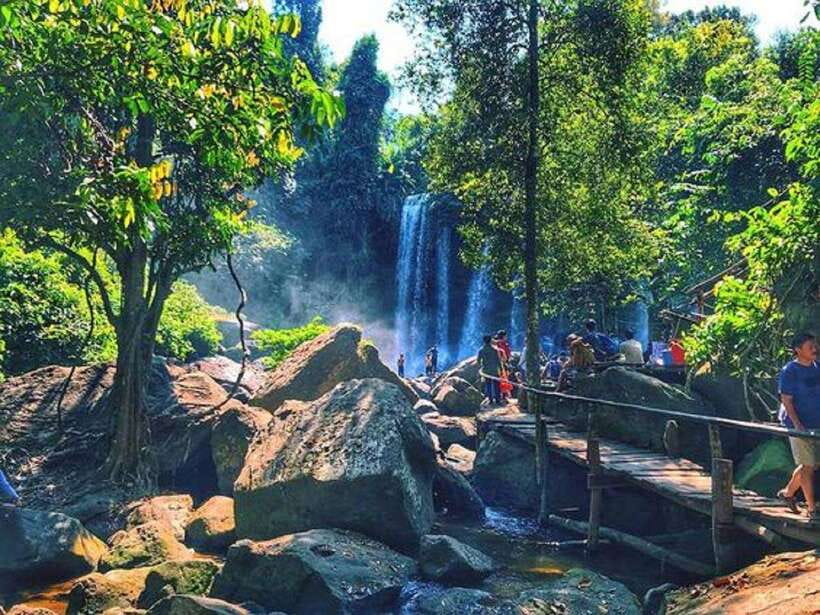
After the archaeological stops, you trek to Kulen Waterfall. The walk provides a physical change from the slower work of examining carvings and ruins. You should wear shoes that can handle walking and bring comfortable clothing, since the day ends with time in the water.
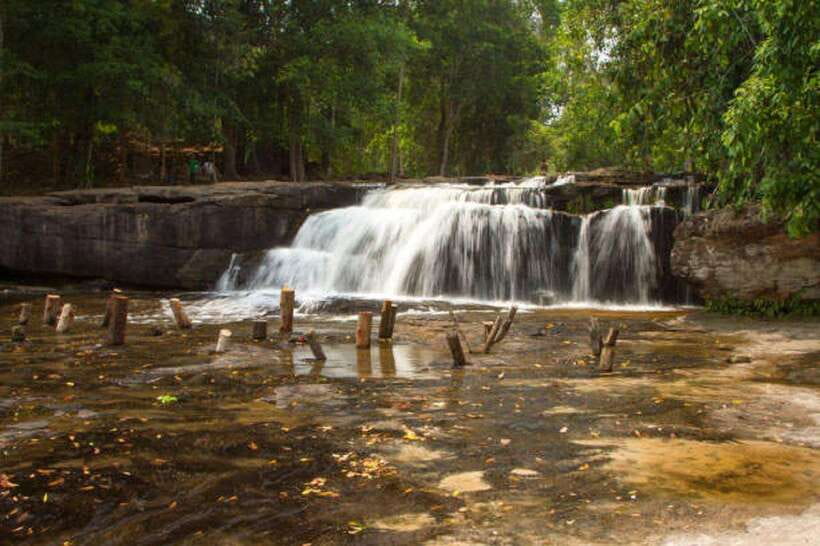
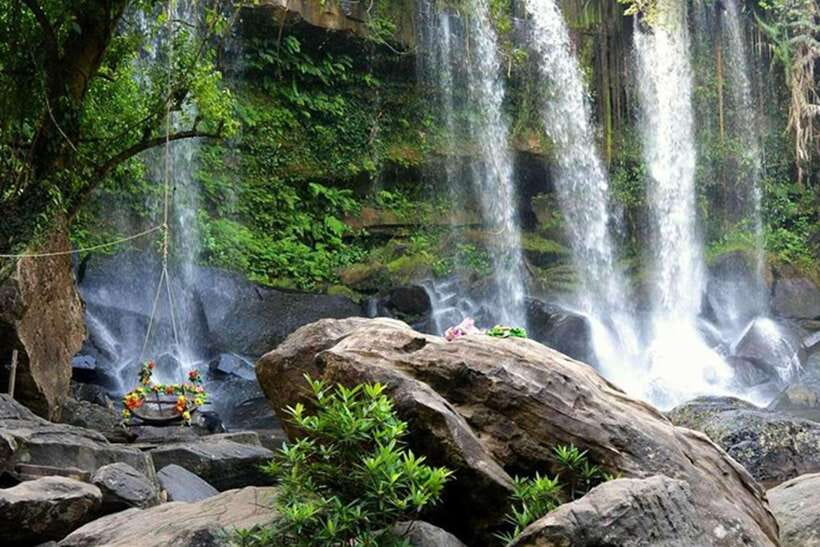
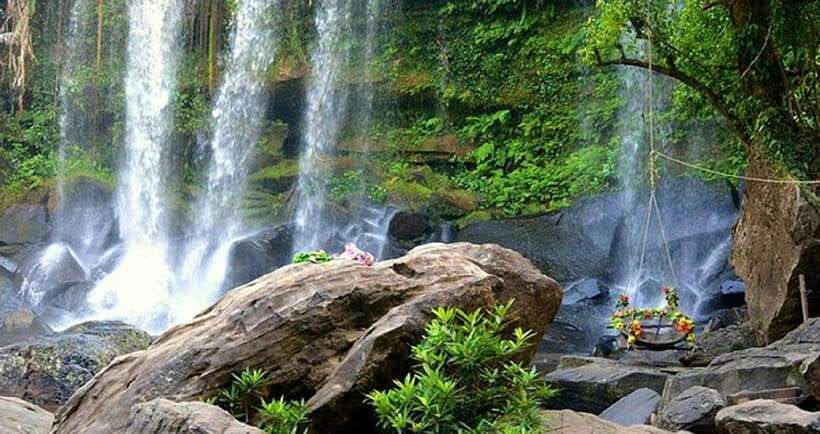
The waterfall is the tour’s easiest pleasure. After the mountain visits, you can enjoy a refreshing swim in its waters rather than simply looking at it from a viewpoint. That makes this more than a sightseeing stop, especially in Cambodia’s heat.
The available details do not specify changing facilities, towel service, or how long you stay in the water. Water and a cold towel are included in the transport package, but you should not assume that a full swimming setup is provided. Bring what you need for your own comfort.
Swimming is also why the tour is not suitable for everyone. The experience is specifically listed as unsuitable for pregnant women. Anyone with mobility or health concerns should consider the walk and wet conditions before booking, since the day includes a trek and an active waterfall stop.
Palm sugar in a local village
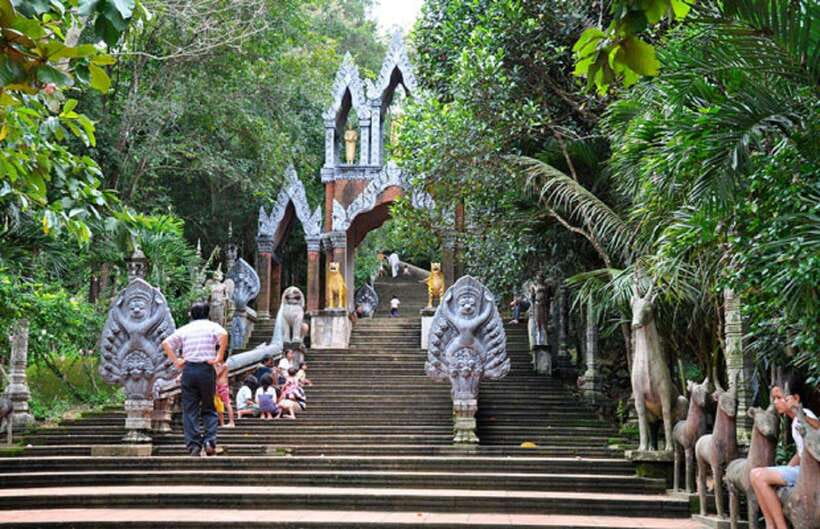
On the way back to Siem Reap, you make a short stop at a palm sugar village. This is a small detail, but it gives the day a better local balance.
Palm sugar is part of everyday Cambodian food culture, and seeing how it is produced connects the countryside to something you may encounter at markets and meals. The visit is not presented as a long workshop or a full cooking class. Think of it as a brief look at a local trade.
I like this stop because it keeps the tour from becoming a string of ancient sites. You get a glimpse of rural life and a reminder that Cambodia is more than its monuments. The stop is quick, so keep your expectations in proportion. Its value comes from the change in focus, not from a packed program of demonstrations.
Adding the Cambodia Landmine Museum
The Landmine Museum is an optional final stop. It is not part of the basic sequence for everyone, so you should request it if you want to include it.
This addition shifts the subject from ancient Cambodia to the country’s modern conflicts and their lasting effects. One especially strong account of the outing described meeting Aki Ra, who dismantles landmines by hand. That personal connection can make the museum visit far more direct and serious than a short roadside attraction.
The museum may change the emotional tone of the day. After waterfalls and village life, you move into difficult modern history. I would choose this stop if you want a fuller understanding of Cambodia and have the attention left for a weightier visit. If you want to end with a relaxed return after swimming, you may prefer to skip it.
Because the stop is optional, the tour gives you some control over the final part of the day. Ask your guide early if you are considering it, so the timing can be handled clearly.
What the $65 price really covers
The advertised price is $65 per person. That includes an English-speaking licensed guide, hotel pickup and drop-off in Siem Reap, transport in an air-conditioned car or van, water, and a cold towel.
You must add the $20 Kulen Mountain National Park entrance fee per person. Lunch is also not included, and personal expenses are your responsibility. Your real cost is therefore higher than the headline price, particularly for a solo traveler.
Still, the package can offer fair value if you want transport and guiding handled in one day. Kulen is not simply a nearby stop that you can fold casually into a morning around central Siem Reap. The included vehicle, hotel service, and guide reduce the need to arrange several separate pieces yourself.
The guide is the part that most affects the value. A good explanation brings the 1000 Lingas, quarry, Buddha, and ruins together. The strongest personal feedback highlights Lok’s warmth and his willingness to share how Cambodia’s history shaped his own life. A guide who can make those connections is worth more than a driver who only points out stops.
Who should book this Kulen outing
I would recommend this tour to you if you want a full day that mixes culture, religion, nature, and local life. It suits people who have already seen some of Siem Reap’s main temples and want a different kind of setting.
It is also a good choice if you like active sightseeing. You will walk, trek, and have the option to swim. Comfortable shoes and clothes are not just packing suggestions here.
Families and couples may appreciate the range of the day, though the tour is not suitable for pregnant women. Solo visitors should weigh the full per-person cost, since the park fee and lunch come on top of the tour price.
You may want another option if you dislike long outings, prefer fully restored ruins, or do not want to manage a waterfall walk. This is not a quick highlights tour. The nine-hour schedule gives you variety, but it also asks you to spend most of the day on the road and outdoors.
Practical details before you go
Wear comfortable shoes and comfortable clothing. Bring anything you need for swimming, since the waterfall is a central part of the day and the provided cold towel should not be treated as a replacement for your own swim gear.
The tour is conducted in English, with a live guide. Pickup and drop-off are included from Siem Reap, and you should wait in your hotel lobby 10 minutes before pickup.
Alcohol and drugs are not allowed. Free cancellation is available up to 24 hours in advance for a full refund, and you can reserve now and pay later if you want to keep your plans flexible.
The activity has a top rating from three submitted accounts, with particular praise for the guide, the small personable feel, the scenery, and the chance to add the Landmine Museum. Those points match the tour’s main strengths: personal guiding, a varied day, and access to places that feel quite different from central Angkor.
Should you book it?
Book this Kulen Mountain tour if you want more than temple photographs. The 1000 Lingas, hilltop Buddha, scattered ruins, waterfall swim, and palm sugar village create a well-rounded day, while an optional Landmine Museum visit adds serious modern context.
The main caution is cost and stamina. Add the $20 entrance fee and lunch, wear proper shoes, and prepare for a nine-hour outing. If that sounds manageable, the combination of ancient sites, mountain water, and a guide such as Lok makes this a strong choice from Siem Reap.
FAQ
Where does the tour start and finish?
Pickup and drop-off are provided from Krong Siem Reap. You should wait in your hotel lobby 10 minutes before the scheduled pickup.
How long does the tour last?
The tour lasts nine hours.
What is included in the price?
The price includes an English-speaking licensed guide, hotel pickup and drop-off from Siem Reap, transport in a comfortable air-conditioned car or van, water, and a cold towel.
Is the Kulen Mountain entrance fee included?
No. The Kulen Mountain National Park entrance fee is an additional $20 per person.
Is lunch included?
No. Lunch is not included, so you should budget separately for it.
Can I swim at Kulen Waterfall?
Yes. The tour includes time to enjoy a swim in the waters of Kulen Waterfall.
Is the Landmine Museum included?
The Cambodia Landmine Museum is an optional final stop. It is not listed as part of the included tour costs.
What language is the tour conducted in?
The tour is conducted in English with a live English-speaking guide.
What should I bring?
Bring comfortable shoes and comfortable clothes. The tour also includes walking and a waterfall swim, so you should prepare for those activities.
Just added around Siem Reap
- Ultimate Sunrise to Angkor Wat, Angkor Thom and Bayon Temple★ 5.0 · 3 reviews
- Full-Day Private Tour of Angkor Wat with Pick Up★ 5.0 · 12 reviews
- Trekking Tour at Phnom Kulen National Park from Siem Reap★ 5.0 · 3 reviews
- Twilight Tastes of Siem Reap Include Dinner★ 5.0 · 13 reviews
- Waterfall & River of 1000 Siva Linga- Kulen Mountain Private Tour★ 5.0 · 3 reviews
- Siem Reap City Tour with War Museum and Killing Field★ 5.0 · 27 reviews
- Private Day Trip to Angkor Temples with Expert Guide★ 5.0 · 4 reviews
- Private Two Days Siem Reap Temples Discovery Guided Tour★ 5.0 · 7 reviews
Phnom Kulen Waterfall Tours, compared.
Kulen Waterfall Join-in Tour (local Picnic lunch)
Read our review →
Kulen Mountain, Beng Mealea and Tonle Sap Tour
Read our review →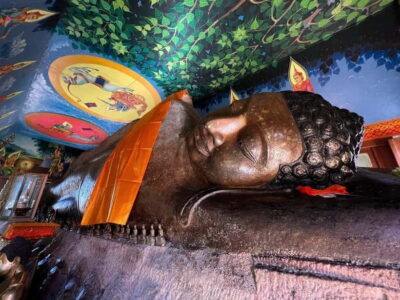
Phnom Kulen Waterfall & the Sacred 1000 Lingas (with Lunch)
Read our review →
Kulen Mountain with Beng Mealea and Tonle Sap Small Group Tour
Read our review →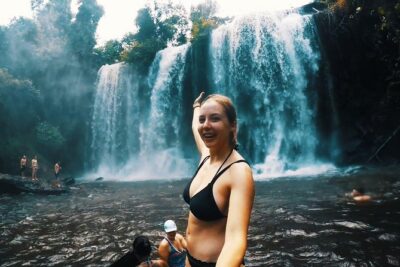
Guided Small-Group Tour in Kulen Mountain Park Waterfall
Read our review →
Kulen Mountain Waterfall Tour with Picnic Lunch from Siem Reap
Read our review →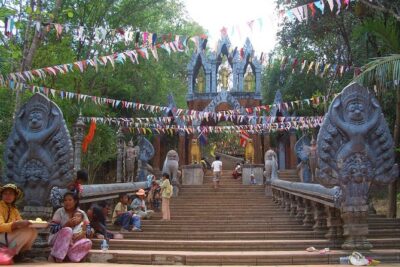
Kulen Waterfall & 1000 Linga River Small-Group Tours
Read our review →Browse the lists this tour appears in