
Reviewed · BENG MEALEA TEMPLE TOURS
Siem Reap: Kulen Mountain, Beng Mealea and Tonle Sap Tour
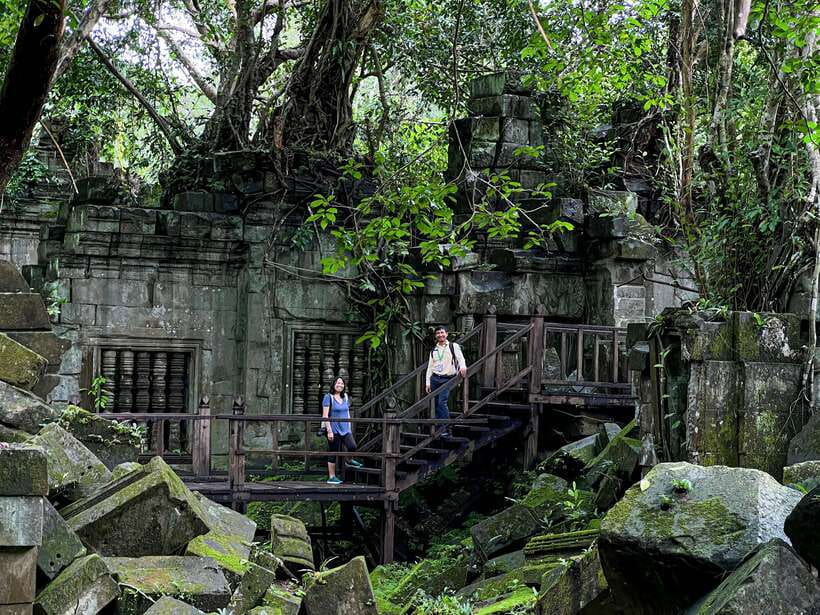
The most memorable part of this day is the sharp change of scene: one minute you are walking through an ancient jungle temple, and later you are gliding past stilt houses on Tonle Sap. Beng Mealea feels especially atmospheric, with trees, moss and fallen stones showing the temple much as it appeared after centuries of neglect. I also like the chance to see Cambodia beyond the main Angkor circuit, from palm cake making to fishing life in Kampong Phluk.
Two things make this tour work well: the waterfall picnic and swim break up the long day, and guides such as Sam, Sa, Jan, Dara and Seila add useful stories rather than simply pointing at ruins. The drawback is the pace. Ten hours, a fair amount of walking on uneven ground, three separate admission fees and long road transfers make this a tiring day, not a relaxed outing.
The day’s best reasons to go
- Beng Mealea’s jungle setting: Walk across and around a large 12th-century temple covered by trees, vines, moss and collapsed stone.
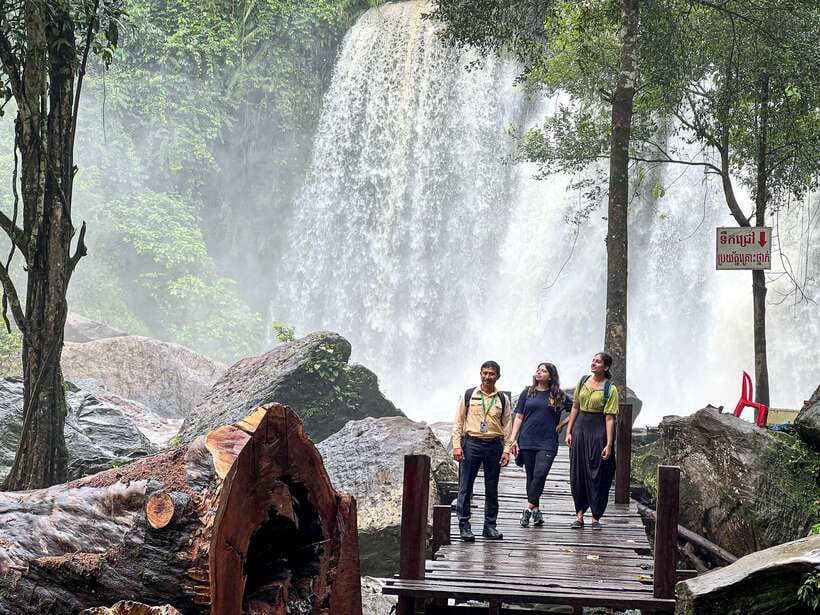
- Kulen Mountain’s waterfall stop: Eat grilled chicken and fruit beside the falls, then swim if conditions suit you.
- A look at rural Cambodia: The drive passes rice paddies, village homes and the Palm Cake Village.
- A practical guide team: Guides including Mr Sam, Mr Sa, Mr Jan, Mr Dara and Mr Seila are known for clear English, humor, history and help with photographs.
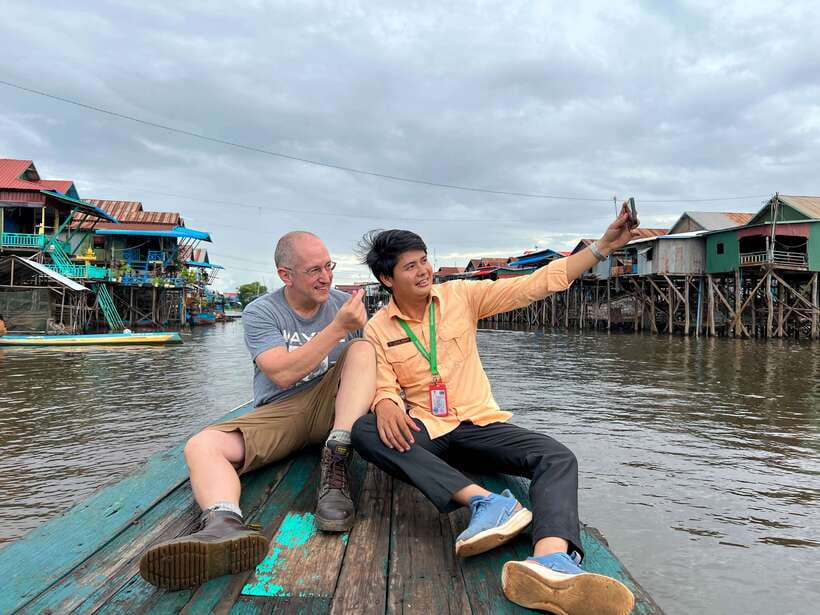
- Tonle Sap at day’s end: Cruise through Kampong Phluk, see houses raised above floodwater and finish near sunset.
- A packed value proposition: The $48 tour price covers transport, guide, water and lunch, but admission charges add $45 unless you already hold a suitable Angkor pass.
Why this full-day route is worth your time
Siem Reap is famous for Angkor Wat, but Cambodia is not only a story of stone temples. This outing adds mountain scenery, religious sites, village life, forest and lake culture to your trip in one long sweep.
I like the contrast. Phnom Kulen connects you with sacred places and natural water. Beng Mealea shows the power of time over an abandoned temple. Kampong Phluk brings you into a living community shaped by Tonle Sap’s annual rise and fall.
You will spend much of the day in an air-conditioned minivan or minibus. Cold bottled water is supplied throughout, and several recent groups found the vehicles comfortable, with spacious seating and, in some cases, Wi-Fi. Drivers such as Jame, Moon, Theara and Sothea are often praised for safe driving and for meeting the group with cold towels, fruit or snacks after a walk.
That care matters in Cambodia’s heat. Still, do not confuse comfort with ease. The tour covers a lot of ground, and the mountain, temple and village stops are separated by road journeys. If you want a slow, single-site visit, choose something smaller. If you want to see several sides of Siem Reap in one day, this route earns its place.
More Beng Mealea jungle temple tours in Siem Reap:
- Kulen Mountain with Beng Mealea and Tonle Sap Small Group Tour
★ 5.0 · 780 reviews - Koh Ker Temple Group & Beng Mealea Full-Day Join-in Tour
★ 5.0 · 710 reviews - From Siem Reap: Koh Ker and Beng Mealea Temples Tour
★ 4.9 · 293 reviews
From Siem Reap to palm cake country
Hotel pickup begins in the morning, with a request to wait in your lobby about 10 minutes before the scheduled time. The first drive takes you through rice paddies and traditional Cambodian villages. It is a useful introduction to the countryside, especially if most of your time in Cambodia has been spent around the city and Angkor temples.
The short stop at Preah Dak, also described as the Palm Cake Village, gives the day a local-food opening. You can watch traditional palm cake being prepared and taste local snacks. This is not a long workshop, so think of it as a brief window into village work rather than a hands-on cooking class.
Small touches add warmth here. Some groups receive lotus flowers for the Buddha, fruit such as pineapple and red bananas, or a Cambodian scarf as a keepsake. These extras are not the main reason to book, but they make the day feel more personal.
Phnom Kulen, sacred water and a reclining Buddha
The road then climbs toward Phnom Kulen National Park. The drive takes roughly an hour to an hour and a half depending on the day’s timing, and the views change as the route leaves the flatter rice-growing country.
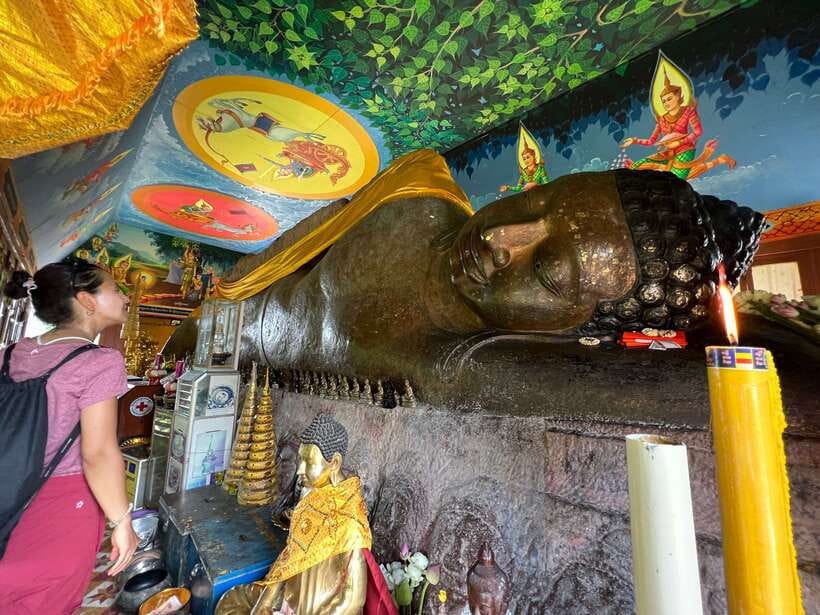
Kulen Mountain carries religious and historical importance. The stop includes Wat Preach Angthom, a Buddhist site with a large reclining Buddha, followed by the River of a Thousand Lingas, carved in the riverbed and associated with the early Khmer period around 802 AD.
Your guide’s role matters most here. A good explanation can connect the sculptures, the mountain and Khmer beliefs without turning the stop into a list of dates. Guides such as Jan and Sa have been singled out for explaining Cambodian culture, religion and politics in clear, engaging English. Sam and Dara are often praised for adding humor while keeping the day organized.
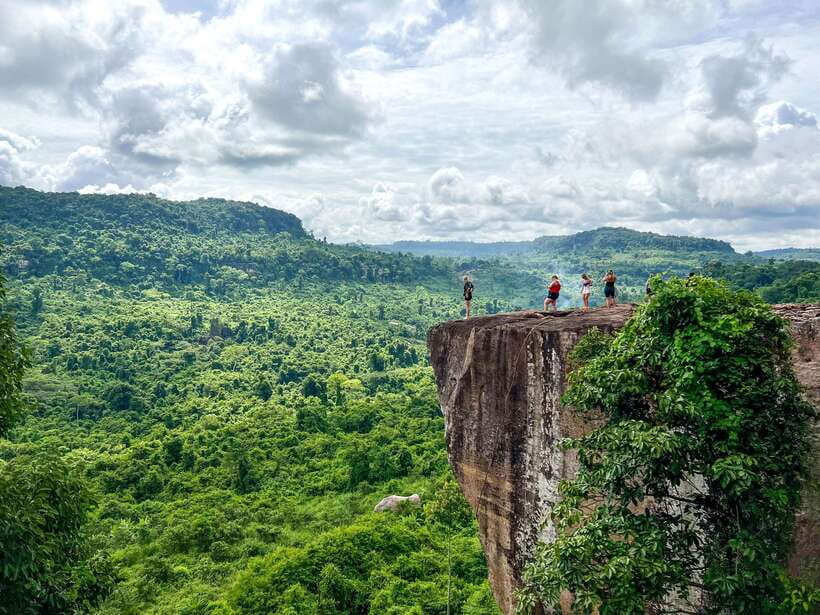
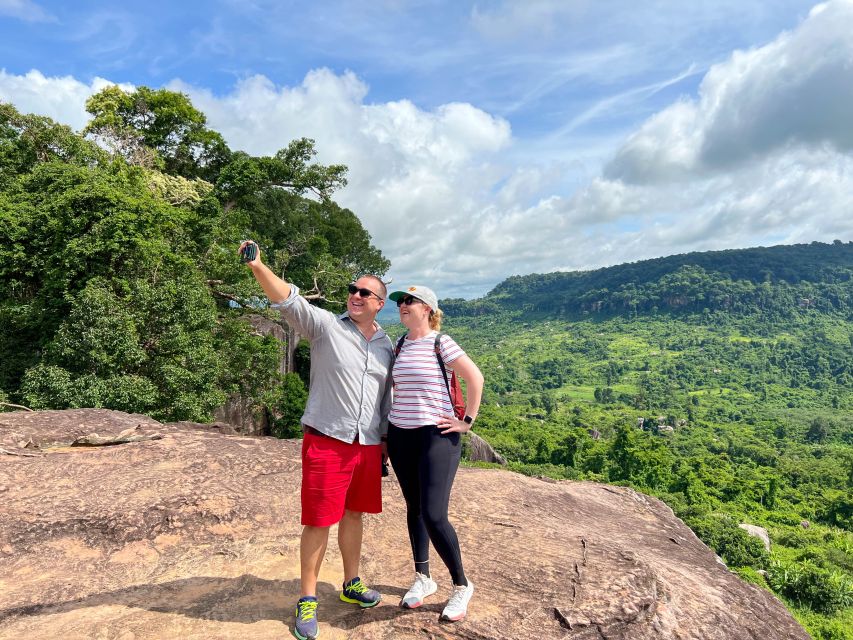
There is also a stop at the Amazing Cliff of Poeng Ta Kho, where the appeal is the view rather than a major monument. Keep your camera ready, but also expect walking between sites and possible steps. The exact feel of the mountain depends on weather and crowd levels, neither of which is fixed.
The River of a Thousand Lingas is interesting for its setting and symbolism, though it may not impress everyone equally. One useful point of comparison is that the reclining Buddha and waterfall tend to make a stronger visual impact than the river carvings. If you have limited energy, save some for the later temple and village.
A picnic beside Kulen Waterfall
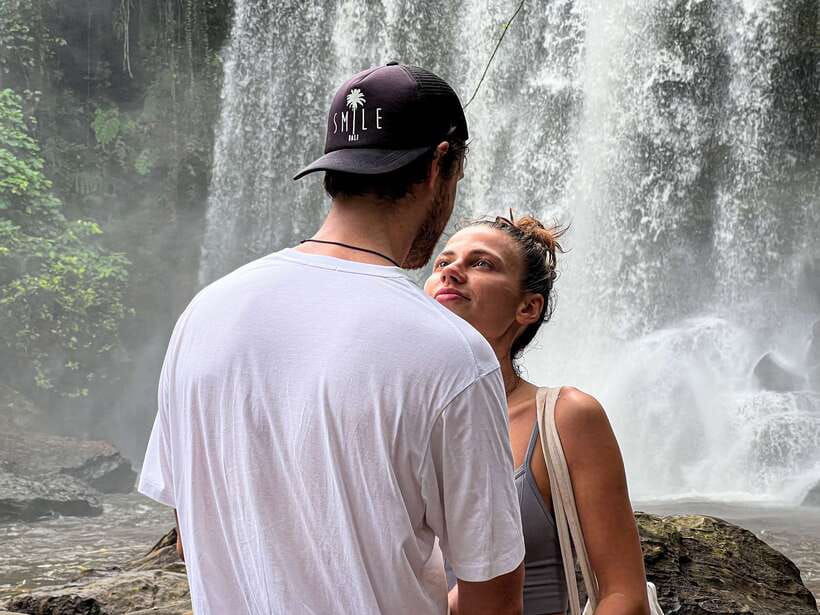
The waterfall stop is the day’s natural pause. Lunch is served as a picnic near the water, with grilled chicken, seasonal fruit and a vegetarian choice available if requested ahead of time. The vegetarian meal includes vegetable fried rice with eggs and fried spring rolls. There is no vegan option listed.
The food is more generous than you might expect from a road tour, and drivers often help set up lunch. The setting does much of the work: the sound of falling water, shade near the falls and a chance to cool off after the mountain visits.
Swimming is allowed, and changing facilities may be available for a small charge. Bring a swimsuit or towel if you want to get in. The supplied advice to pack sunscreen, insect repellent, sunglasses and a towel is practical, not decorative.
Use common sense around the water. You should not assume the falls will feel the same in every season, and a wet swimsuit can make the next van ride uncomfortable. Still, this is one of the tour’s strongest features. It gives you time to eat, swim and reset before the afternoon temple visit.
More Phnom Kulen waterfall trips in Siem Reap:
- Kulen Waterfall Join-in Tour (local Picnic lunch)
★ 5.0 · 2,434 reviews - Kulen Mountain: Small-Group Tour and Picnic lunch
★ 4.9 · 1,802 reviews - Phnom Kulen Waterfall & the Sacred 1000 Lingas (with Lunch)
★ 4.8 · 974 reviews - Guided Small-Group Tour in Kulen Mountain Park Waterfall
★ 5.0 · 480 reviews
Beng Mealea, a temple left to the forest
After lunch, the route heads toward Beng Mealea. This is the archaeological centerpiece for many people, and I understand why.
Unlike the more managed central temples around Siem Reap, Beng Mealea has a rougher, more tangled character. Vegetation, trees, lianas, moss and fallen blocks press in around the structure. Wooden paths and walkways help you move through parts of the complex, but you should still expect uneven ground and some steps.
The temple dates from the 12th century and belongs to the Angkor Wat period. Its appeal is not only the age of the stones. It is the sense of seeing a large monument before it was fully cleared and tidied for easy viewing. The scale can surprise you, especially when tree roots and collapsed galleries make it hard to grasp the original plan at first.
A guide adds real value here. Without context, Beng Mealea can seem like a maze of rocks and jungle. With explanation, the layout, carvings and relationship to the wider Khmer building tradition become easier to understand.
Plan for about an hour and a half at the temple. Wear shoes with a secure grip, and do not choose this tour expecting a fully accessible path. A traveler with bad knees was helped by a considerate guide, but the physical demands remain real.
The Beng Mealea admission is $10, or you can use a valid Angkor pass. If you do not want to pay this extra fee, you can wait outside with the driver while the rest of the group visits. That is a useful option, but it also means missing the stop that many people consider the day’s highlight.
Kampong Phluk and life on Tonle Sap
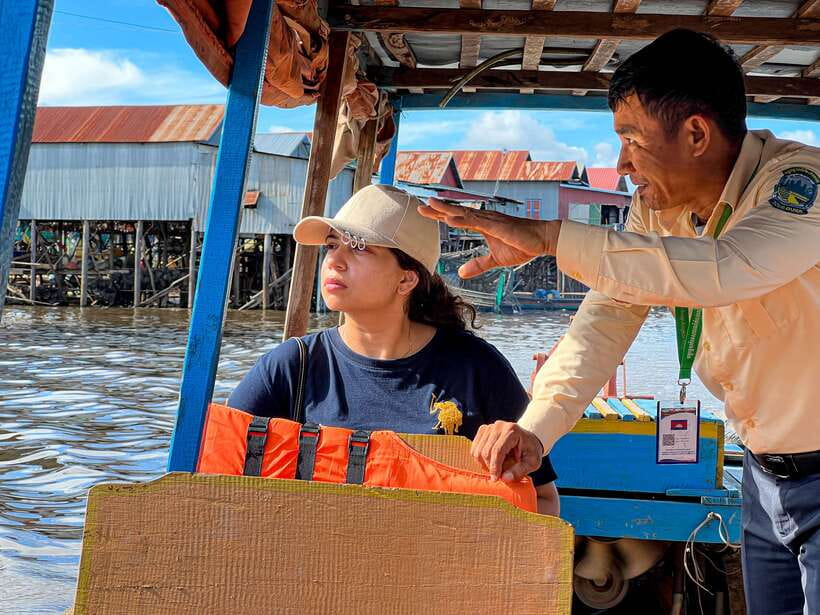
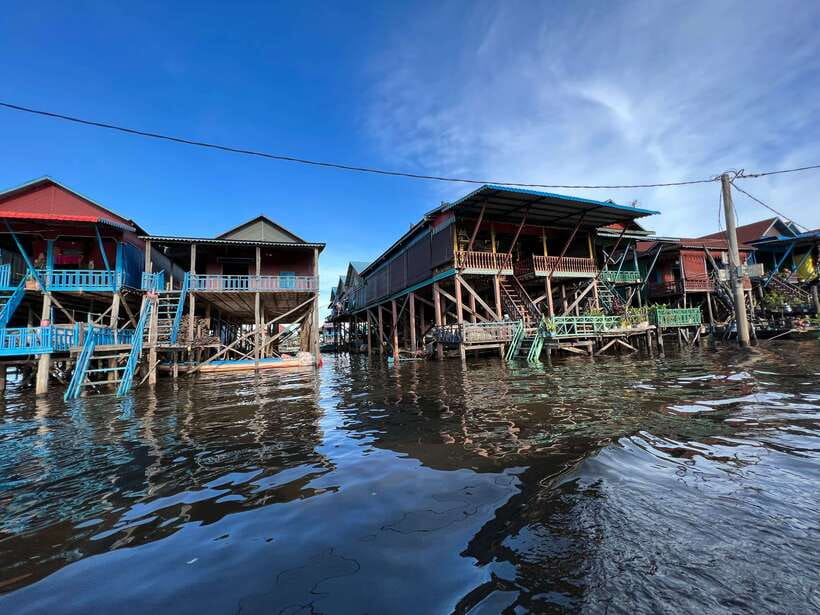
The final major stop is Kampong Phluk, reached after another road transfer. Here you board a boat and see a community whose homes and daily routines respond to the changing level of Tonle Sap.
The houses are built high above the ground, allowing families to remain above floodwater during the monsoon season. The exact appearance of the village changes with the season. At some times, the water reaches the homes and the village feels truly afloat. At other times, the tall stilts are more visible, so the phrase floating village can be slightly misleading.
The boat ride offers a view of fishing families, colorful houses and everyday work. This is a lived-in place, not an outdoor museum, so your guide’s tone matters. The best approach is to observe respectfully and listen to explanations about fishing, flood cycles and local life without treating people’s homes as a stage set.
The route can include a smaller boat through flooded mangroves, where crab-eating macaques may be seen. Wildlife is never guaranteed, but the forest passage adds a quiet change from the open lake and village channel.
The timing is one of the route’s clever choices. The boat ride often reaches its most atmospheric point near sunset, when the water and sky soften and the heat drops. Several groups have found this a fitting finish after a demanding day.
One honest note: do not book this stop expecting the same village conditions shown in old photographs or promotional images. Water levels, season and development alter the view. The value is in seeing how people adapt to Tonle Sap, not in finding a frozen-in-time floating settlement.
The day finishes with a visit to a Buddhist monastery on an artificial island before the return to Siem Reap. Depending on traffic and the day’s pace, you may arrive back around the evening, sometimes near 7:20.
What the $48 price really covers
At $48 per person, the base price is attractive for a 10-hour trip with hotel pickup and drop-off, an English-speaking guide, air-conditioned transport, bottled water, picnic lunch and seasonal fruit.
You should budget for the required admissions:
- Kulen Mountain pass: $20
- Beng Mealea: $10, unless you use a valid Angkor pass
- Tonle Sap and boat ride: $15
That brings the typical total to $93 per person, before soft drinks and any small charges such as changing facilities. The price is therefore not just $48 in practical terms.
Even at the higher total, the value is solid if you want all three areas. Arranging separate transport to Kulen Mountain, Beng Mealea and Kampong Phluk would take time and coordination. Here, one driver handles the long roads, one guide provides the cultural thread and lunch is already arranged.
The tradeoff is control. A small or private group gives you a better chance to ask questions and adjust the pace, while a larger group may feel more rushed at popular stops. The exact guide varies, but names frequently associated with strong days include Sam, Sa, Jan, Dara, Seila, Kim, Mony and August.
Who should book this day
I would choose this tour if you want more than another day of major Angkor monuments. It suits curious first-time visitors who want nature, rural Cambodia, a less restored temple and Tonle Sap in one package.
It also works well for people who value a guide. The strongest part of the experience is not simply transport between sites. It is having someone explain why the mountain matters, how the temple fits into Khmer architecture and how water shapes life around the lake.
You should think twice if you dislike early starts, long van rides, heat or uneven paths. The day involves walking, stairs and a full schedule. Children under 10 are not considered suitable for the small-group option.
Dress modestly for the religious sites. Knees and shoulders should be covered, so shorts and sleeveless shirts are not allowed. Pack light clothing that meets those rules, plus sunscreen, insect repellent, a camera and a towel.
My practical verdict
Book this tour if you want a broad, energetic picture of Siem Reap rather than a slow day focused on one temple. The waterfall picnic, Beng Mealea and the sunset boat ride are the strongest reasons to go, while the well-organized guides and careful drivers make the long route manageable.
Skip it if your priority is privacy, leisurely meals or easy walking. Otherwise, the combination of sacred mountain sites, a jungle temple, a generous picnic and Tonle Sap village life gives you a lot for one day, provided you add the admission fees to your budget and arrive ready for a long ride.
FAQ
How long does the Kulen Mountain, Beng Mealea and Tonle Sap tour last?
The tour lasts about 10 hours, including road transfers, site visits, lunch, the boat ride and the return to Siem Reap.
What is included in the $48 price?
The price includes hotel pickup and drop-off, air-conditioned minivan or minibus transport, an English-speaking guide, unlimited bottled water, picnic lunch and seasonal fruit.
Which admission fees are extra?
You pay $20 for the Kulen Mountain pass, $10 for Beng Mealea unless you have a valid Angkor pass, and $15 for Tonle Sap Lake with the boat ride. Soft drinks are also extra.
Is vegetarian food available?
Yes. A vegetarian lunch can be requested in advance. The stated options include vegetable fried rice with eggs and fried spring rolls. A vegan meal is not available.
Can I swim at Kulen Waterfall?
Yes, swimming is included as an option at the waterfall. Bring a swimsuit or towel, and note that changing facilities may require a small extra charge.
What should I wear?
Your knees and shoulders must be covered. Shorts and sleeveless shirts are not allowed. Comfortable shoes are useful because Beng Mealea and parts of Kulen Mountain involve walking on uneven ground.
Is the tour available as a private experience?
Yes. Private and small-group options are available. Children under 10 are not considered suitable for the small-group option.
More Tonle Sap floating village trips in Siem Reap
- From Siem Reap: Kampong Phluk Floating Village Tour by Boat
★ 4.9 · 6,979 reviews - Sunset tour of Kampong Phluk stilts home village on the Tonle Sap
★ 5.0 · 4,865 reviews - Kompong Phluk Floating Village Half-Day Tour ( Morning / Sunset )
★ 5.0 · 1,494 reviews - Tonle Sap Lake & Kampong Phluk Village Half-Day Tour
★ 5.0 · 1,045 reviews
Just added around Siem Reap
- Ultimate Sunrise to Angkor Wat, Angkor Thom and Bayon Temple★ 5.0 · 3 reviews
- Full-Day Private Tour of Angkor Wat with Pick Up★ 5.0 · 12 reviews
- Trekking Tour at Phnom Kulen National Park from Siem Reap★ 5.0 · 3 reviews
- Twilight Tastes of Siem Reap Include Dinner★ 5.0 · 13 reviews
- Waterfall & River of 1000 Siva Linga- Kulen Mountain Private Tour★ 5.0 · 3 reviews
- Siem Reap City Tour with War Museum and Killing Field★ 5.0 · 27 reviews
- Private Day Trip to Angkor Temples with Expert Guide★ 5.0 · 4 reviews
- Private Two Days Siem Reap Temples Discovery Guided Tour★ 5.0 · 7 reviews
Beng Mealea Temple Tours, compared.
Kulen Mountain with Beng Mealea and Tonle Sap Small Group Tour
Read our review →
Koh Ker Temple Group & Beng Mealea Full-Day Join-in Tour
Read our review →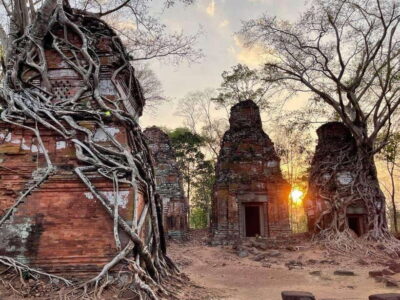
Banteay Srei, Kulen Waterfall & Beng Mealea Exploration
Read our review →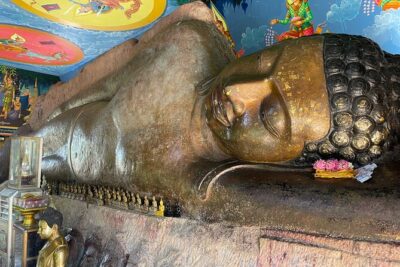
Kulen Waterfall, Banteay Srei, and Beng Mealea Tour
Read our review →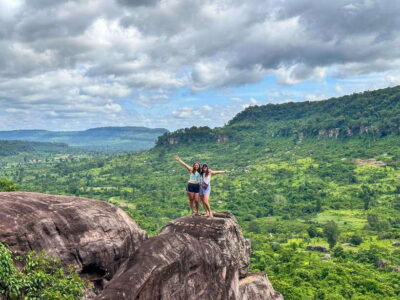
Banteay Srei, Beng Mealea and Kulen Mountain with Picnic
Read our review →
Private Beng Mealea and Floating Village Tour with Sunset
Read our review →
Full-Day Preah Vihear, Koh Ker and Beng Mealea Private Tour
Read our review →Browse the lists this tour appears in